Xi-Pyongyang Summit Buries Denuclearization Diplomacy — SkimNews
Get the Geopolitics newsletter
Daily geopolitics — wars, elections, sanctions, the diplomatic moves that move markets. Free.
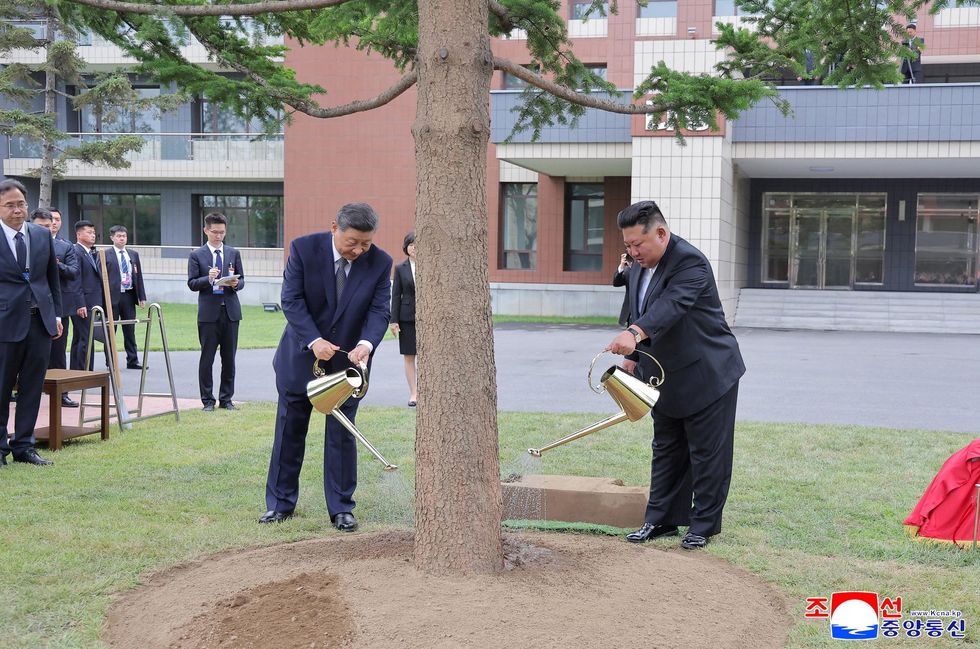
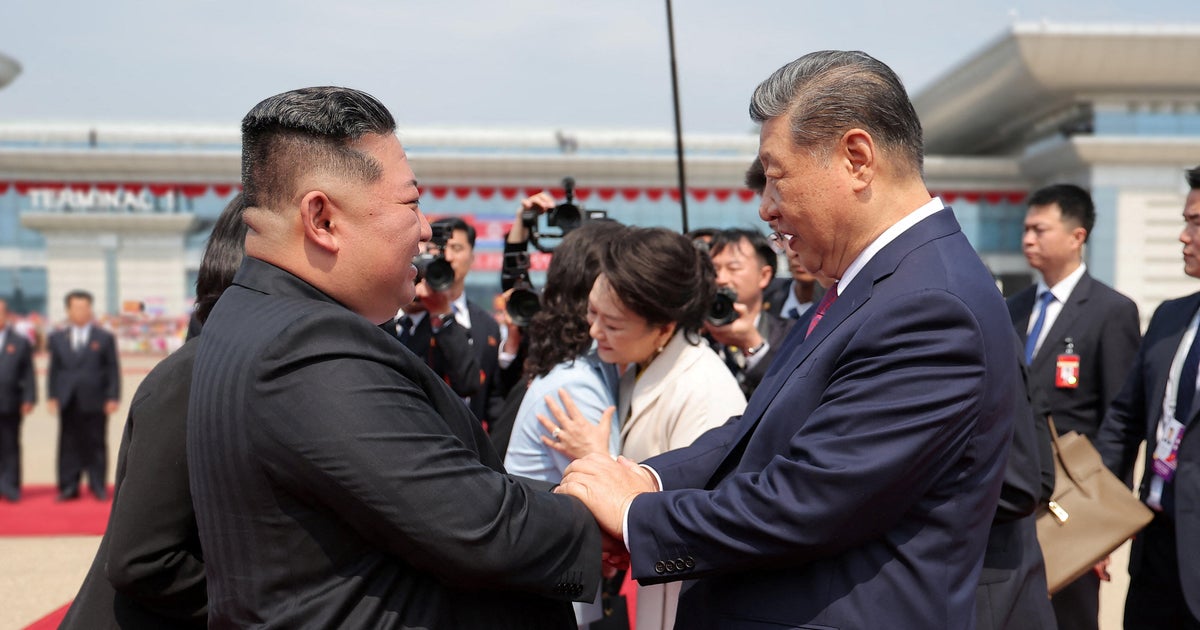
- Xi Jinping's state visit to Pyongyang on June 8 produced official texts that systematically removed the word 'denuclearisation' entirely, replacing it with language supporting North Korea's development along its own national conditions—a stark departure from his 2019 Rodong Sinmun essay, which still gestured toward a political resolution of Korean Peninsula issues.
- The summit formalized a '3+3 framework' deepening institutional coordination between China and North Korea across foreign affairs, law enforcement, and the military, embedding Beijing's military and state security apparatus directly into Pyongyang's administrative mechanics.
- The framework's law enforcement component targets a specific bilateral friction: Chinese firms' long-standing hesitancy to invest in North Korea due to arbitrary contract cancellations and asset seizures, with Chinese legal and regulatory protocols now embedded in North Korean bureaucracy as a state-backed insurance mechanism for Chinese capital.
- Kim Yo Jong publicly declared North Korea's nuclear status an 'absolute line of no retreat' the day before Xi's arrival, specifically rejecting as false the White House's claim that the May Trump–Xi summit had reaffirmed a 'shared denuclearisation goal'—a pre-emptive move that locked disarmament permanently off the bilateral agenda.
- Beijing has codified what the article terms a 'Mediator's Veto,' ensuring the Workers' Party of Korea cannot initiate unilateral strategic pivots, engage in rogue escalation, or execute sudden backchannel deals with Washington without China's advance oversight and concurrence.
Why it matters: China has institutionalized structural leverage over North Korea's nuclear and foreign policy that forecloses unilateral US diplomatic engagement with Pyongyang. The 'Mediator's Veto' means the Trump administration's stated 'shared denuclearisation goal'—publicly contradicted by Kim Yo Jong the day before Xi's arrival—has been rendered operationally obsolete by the new 3+3 architecture, which embeds Beijing in Pyongyang's security decision-making at the bureaucratic level.
Ask SkimNews