Xi-Kim Summit Reveals Strategic Gaps in China-North — SkimNews
Get the Geopolitics newsletter
Daily geopolitics — wars, elections, sanctions, the diplomatic moves that move markets. Free.
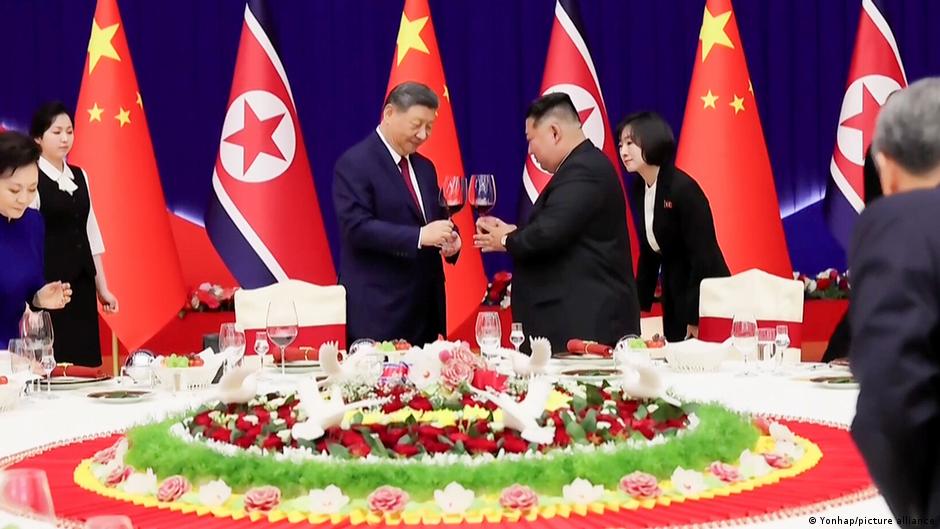
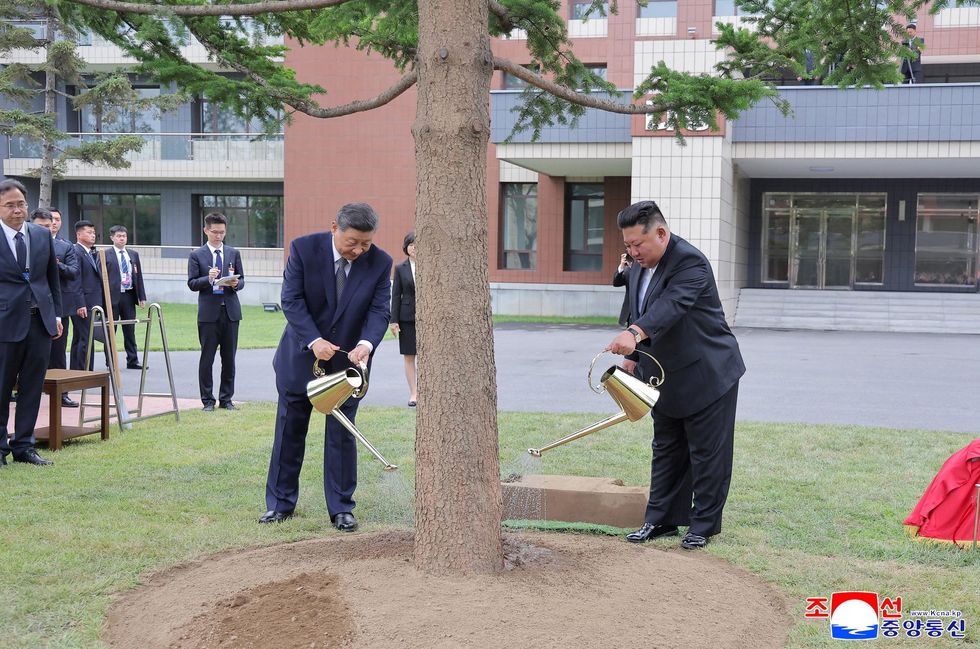
- Xi Jinping visited Pyongyang earlier this month, fully restoring leader-level China-North Korea diplomacy to pre-COVID levels following Kim Jong Un's trip to Beijing in September 2025.
- North Korea has tilted toward Russia, forming a military alliance, aiding Moscow's Ukraine war as an arms supplier and co-belligerent, and reducing strategic dependence on Beijing.
- The Xi-Kim summit readouts diverged on regional security: North Korea's version said both sides reached a "satisfactory consensus of views," a phrase omitted from China's readout.
- China rejects a "new Cold War" framing and a rigid China-Russia-North Korea security bloc, arguing such alignment would push regional states toward Washington and undercut Beijing's economic integration.
- Beijing stayed silent on North Korea's nuclear program at the summit and has not followed Russia's lead in publicly endorsing Pyongyang's nuclear status as "a closed issue."
- At Xi's prior summit with Trump, the U.S. readout said both sides "confirmed their shared goal to denuclearize North Korea" — a phrase the Chinese readout omitted, though Beijing did not deny it.
- Days before Xi's arrival, Kim Jong Un inspected a new nuclear plant and pledged an "exponential" nuclear expansion, a signal Pyongyang was disturbed by U.S.-China denuclearization talk.
Why it matters: Beijing's refusal to militarize the China-North Korea alliance or endorse Pyongyang's nuclear weapons creates a diplomatic opening: the United States, South Korea, and Japan can engage China to prevent further alignment, while China's continued dependence on Western economic integration gives it reasons to resist a full security bloc with Russia and North Korea.
Ask SkimNews