Osteopenia is silently weakening bones in millions of people — SkimNews
Get the Health newsletter
Daily health & science — research, biotech, public health, the studies worth knowing. Free.
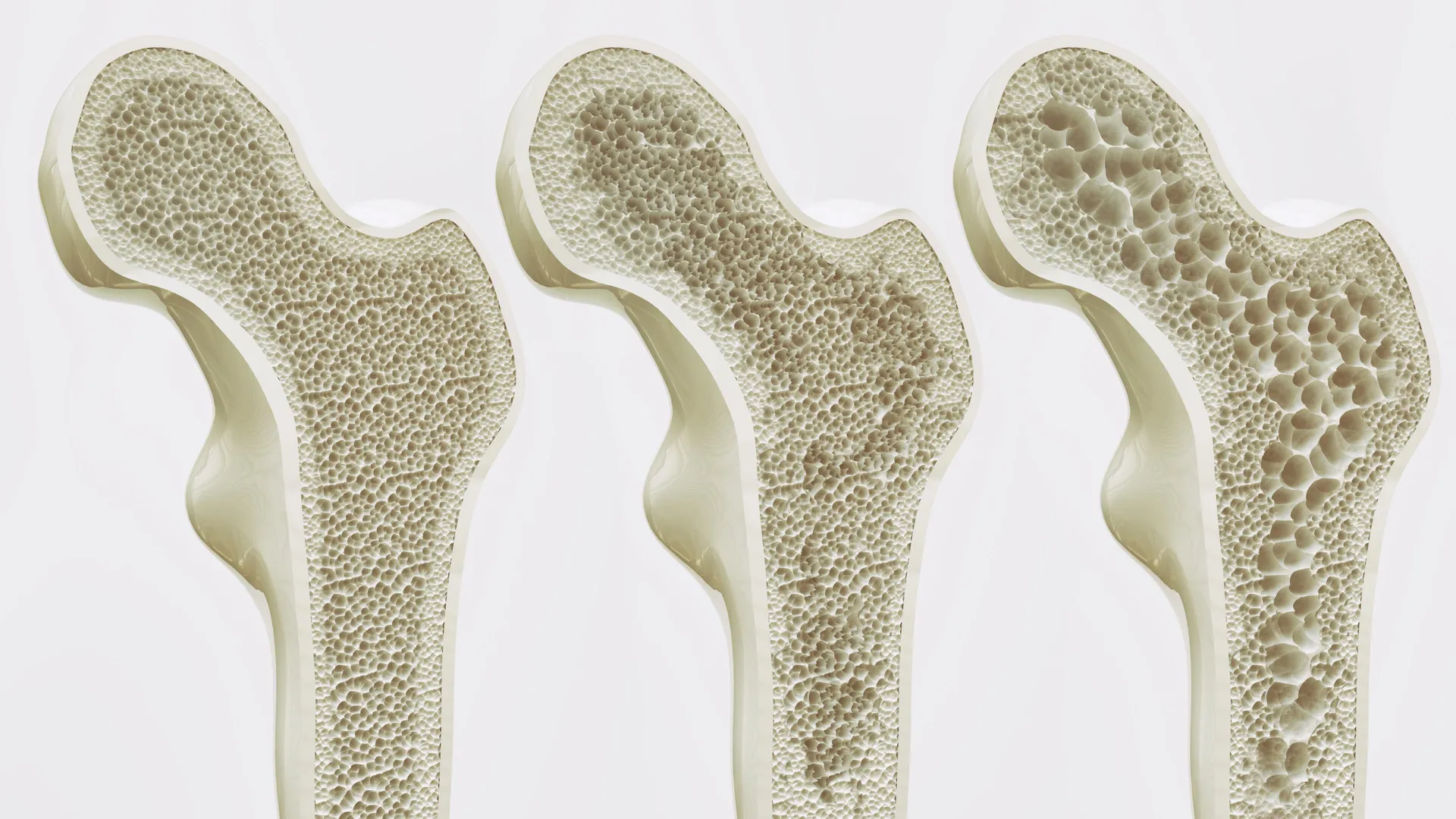
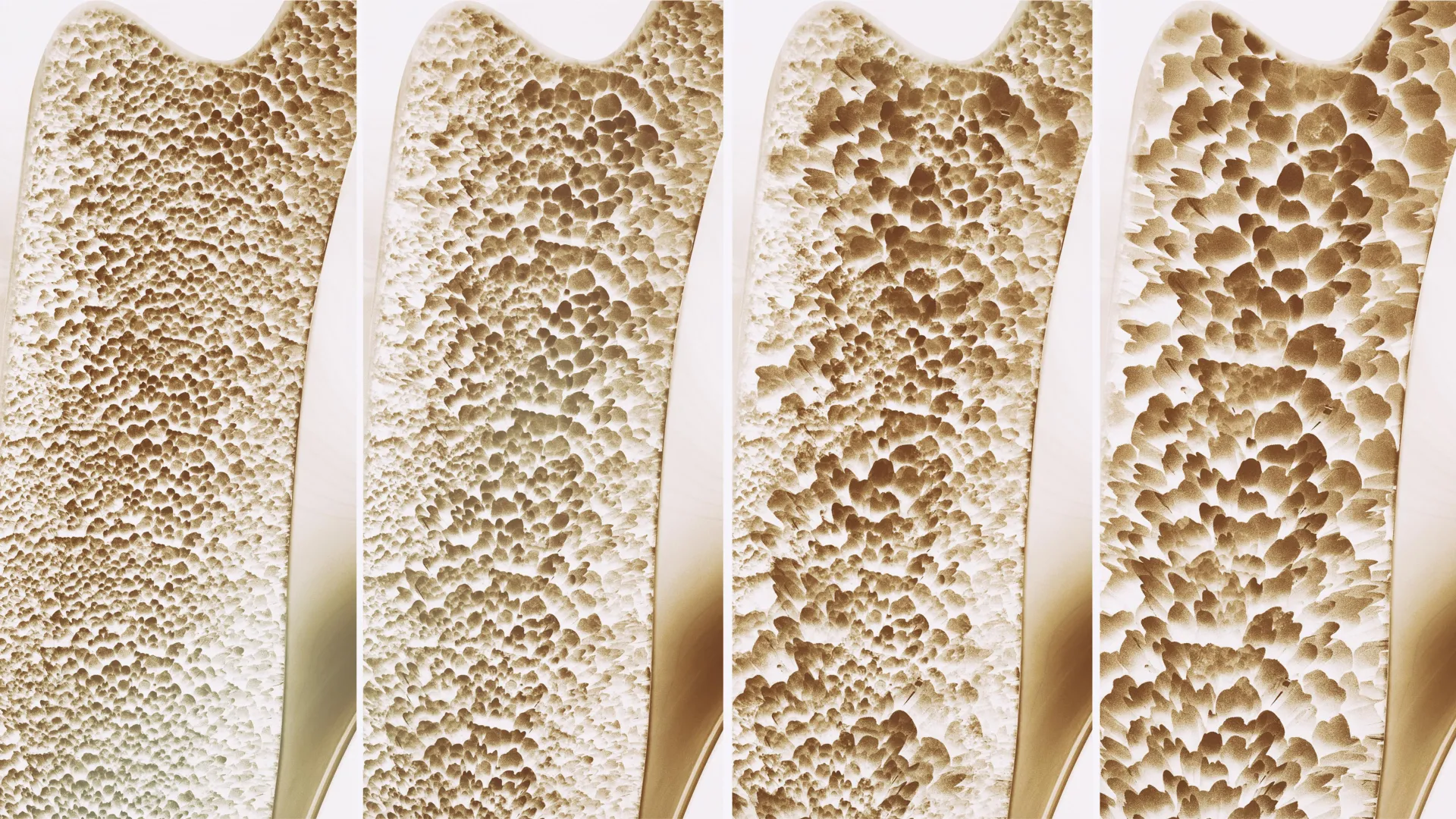
- Osteopenia affects approximately 40% of adults globally, with postmenopausal women and the elderly most at risk, and is estimated to cause more than 500,000 fractures annually in the UK.
- Bone remodeling stays balanced through early adulthood, with bone mass peaking in the mid-20s to early-30s; after that point, breakdown gradually outpaces formation.
- Estrogen decline after menopause is a major accelerator of bone loss, putting roughly one in two women over 50 at risk of a fragility fracture, alongside contributors like smoking, excessive alcohol, inactivity, low calcium and vitamin D intake.
- Long-term steroid use and conditions such as Crohn's or coeliac disease, which disrupt hormones or nutrient absorption, can further compound the risk.
- DXA scans diagnose the condition via a T-score between –1.0 and –2.5, with scores below –2.5 indicating full osteoporosis.
- Weight-bearing exercise (walking, dancing, jogging) and resistance training stimulate bone formation, while Tai Chi improves balance and reduces fall risk.
- Early detection can prevent progression to osteoporosis, and evidence shows bone density may even improve with appropriate lifestyle adjustments and treatment.
- Antiresorptive drugs that slow bone breakdown are typically reserved for high-risk patients identified through a ten-year fracture risk assessment.
Why it matters: With roughly 40% of adults affected and more than 500,000 low-bone-density fractures occurring annually in the UK alone, the window between silent bone loss and a disabling break is where intervention actually pays off—detecting osteopenia via DXA and acting on it with weight-bearing exercise, calcium, vitamin D, and fall-prevention training can keep patients out of the osteoporosis category entirely.
Ask SkimNews