Scientists find 645 reef microbes with drug-like genes — SkimNews
Get the Health newsletter
Daily health & science — research, biotech, public health, the studies worth knowing. Free.
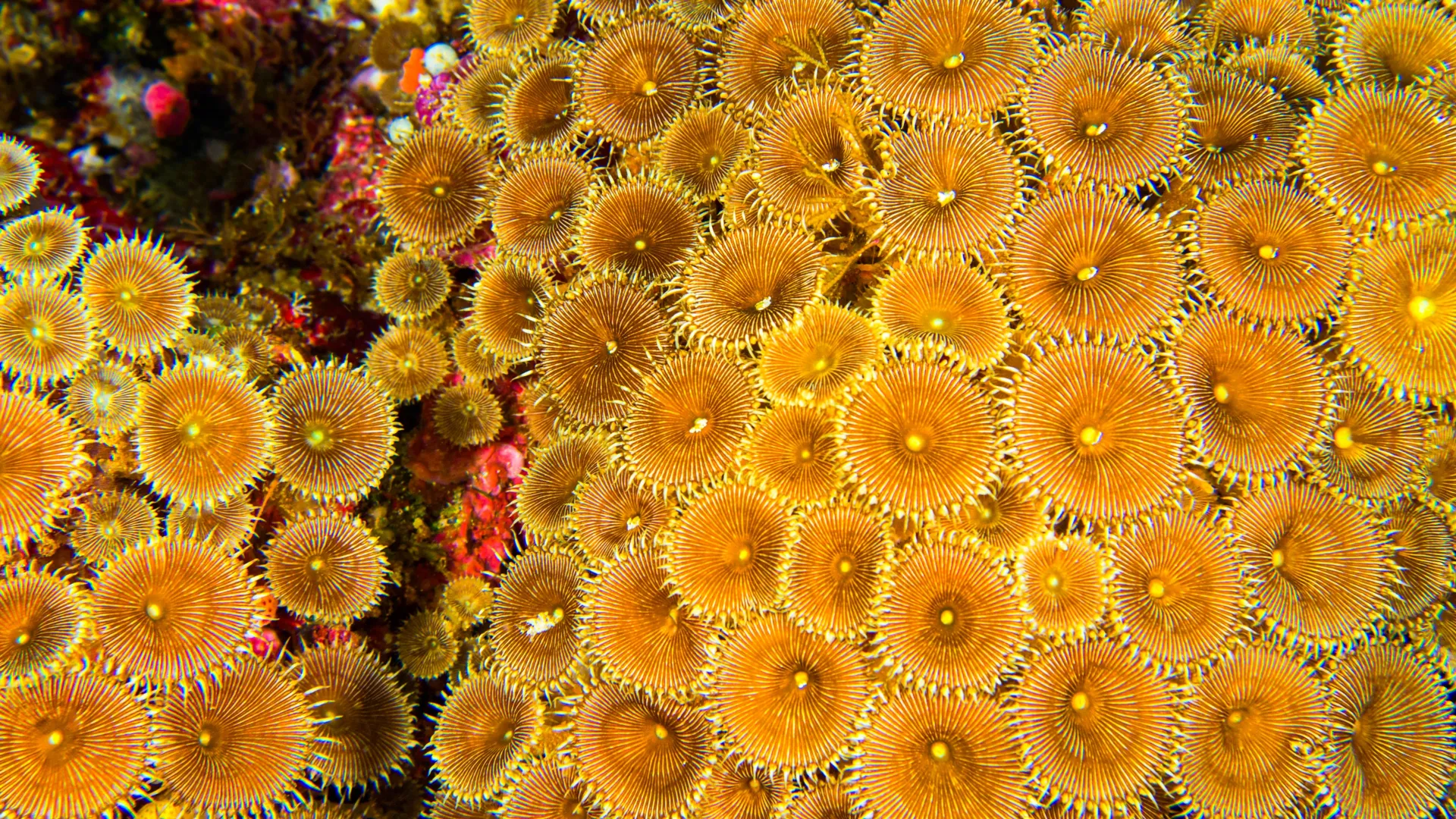
- University of Galway scientists co‑authored a Nature paper showing that each coral species supports a distinct microbial community.
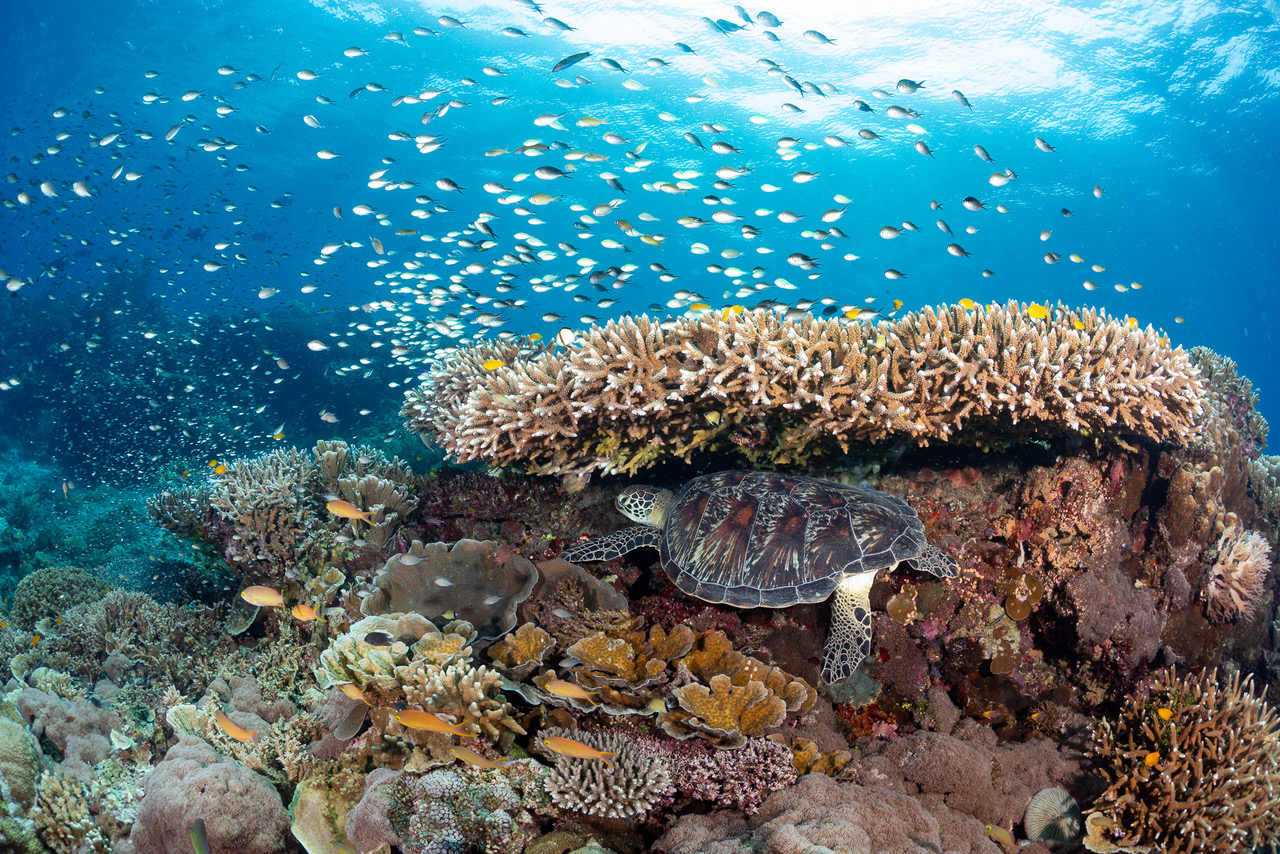
- Tara Pacific consortium sampled microbiomes from 99 coral reefs across 32 Pacific islands, reconstructing genomes of 645 microbial species, >99% previously undescribed.
- Coral‑associated bacteria contain a wider range of biosynthetic gene clusters than any other oceanic source, indicating a massive untapped chemical library.
- Dr. Maggie Reddy noted that among over 4,000 identified microbial species, only 10% have any genetic information and fewer than 1% of Tara Pacific‑specific species have been studied.
- Prof. Olivier Thomas reported that the biosynthetic potential of reef microbes rivals or exceeds that of traditional natural‑product sources such as sponges, and highlighted newly identified Acidobacteriota producing novel enzymes.
- Tara Coral expedition will depart for Papua New Guinea in June to collect additional samples and investigate coral resilience to climate change.
Why it matters: Pharmaceutical and biotech firms stand to gain access to unprecedented bioactive compounds, while the loss of coral reefs would erase a massive, untapped molecular library, underscoring urgent conservation needs and the necessity for expanded microbial surveys. Only about 10% of the over 4,000 identified microbes have any genetic data, meaning the majority of this chemical treasure remains uncharacterized.
Ask SkimNews