Lazard: Renewables Still Cheapest Despite Rising LCOE — SkimNews
SkimNews Take
Rising LCOE across every generation type points to structural drivers—interest rates, supply chains, labor—rather than renewables-specific headwinds, meaning the cost gap may compress as all new-build options get repriced by the same macro forces.
Get the Energy newsletter
Daily energy & climate — solar, EVs, oil, the policy fights and tech bets shaping the transition. Free.
- Lazard's 2026 Levelized Cost of Energy+ report found LCOE rising across all generation types, driven by higher capital costs, sustained interest rates, tariff pass-through, and supply chain repricing.
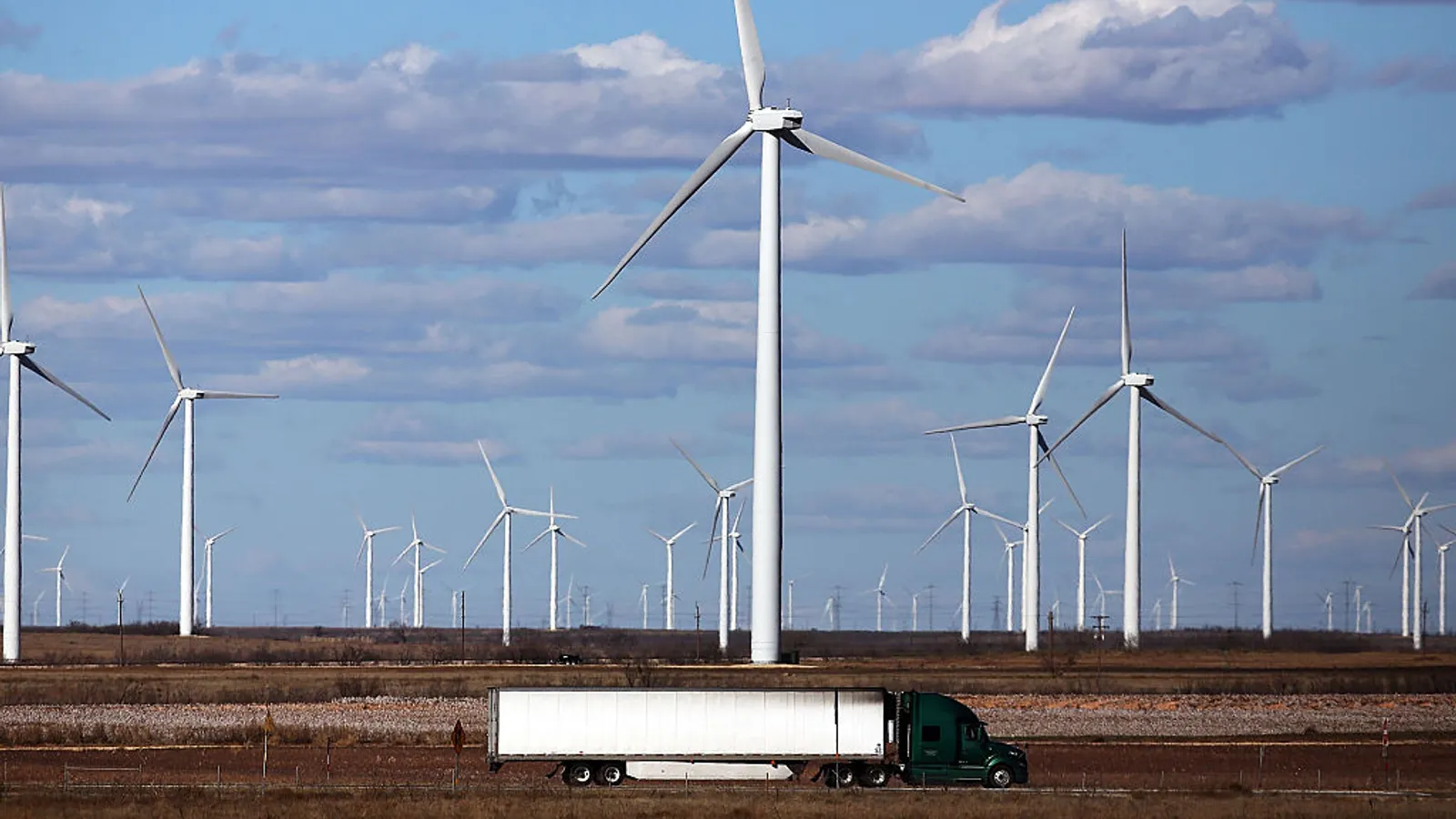
- Utility-scale solar LCOE ranges $40–$98/MWh, onshore wind $37–$99/MWh, and offshore wind $105–$167/MWh; the production tax credit could pull solar's low end to $16/MWh and offshore wind's to $77/MWh.
- Renewables remain the cheapest new-build option even after the One Big Beautiful Bill Act moved up phaseout deadlines for the 48E investment tax credit and 45Y production tax credit.
- Gas generation is seeing a sharp increase in announced new builds despite a 15-year high LCOE ($144–$276/MWh for peaking, $51–$129/MWh for combined cycle), with gas turbine costs projected to hit $600/kW by end of 2027—up 195% since 2019 per Wood Mackenzie.
- Onshore wind and solar LCOE ranges are widening, with high-end costs rising faster than low ends—reflecting uneven ability among developers to absorb supply chain and project-level cost pressures.
- Utility-scale standalone storage costs reversed last year's declines, as tariffs on lithium-ion battery imports cut off access to low-cost Chinese cell supply and accelerated diversification toward Southeast Asian and domestic manufacturers.
- Existing renewable generation carries near-zero marginal cost, which Lazard said underscores the near-term economic case for optimizing existing assets while new-build costs remain pressured.
Why it matters: Lazard's data captures a structural tension in U.S. power markets: developers are announcing record gas-fired new builds despite gas hitting a 15-year LCOE high and turbine costs projected to rise 195% since 2019, while renewables remain cheaper on paper but show a widening cost gap between developers who can mitigate supply chain pressures and those who can't.
Ask SkimNews