Why the world’s second-largest Bitcoin mining power is shutting down rigs in its capital city — SkimNews
Get the Finance newsletter
Daily finance — markets, central banks, M&A, the prints that move money. Free.
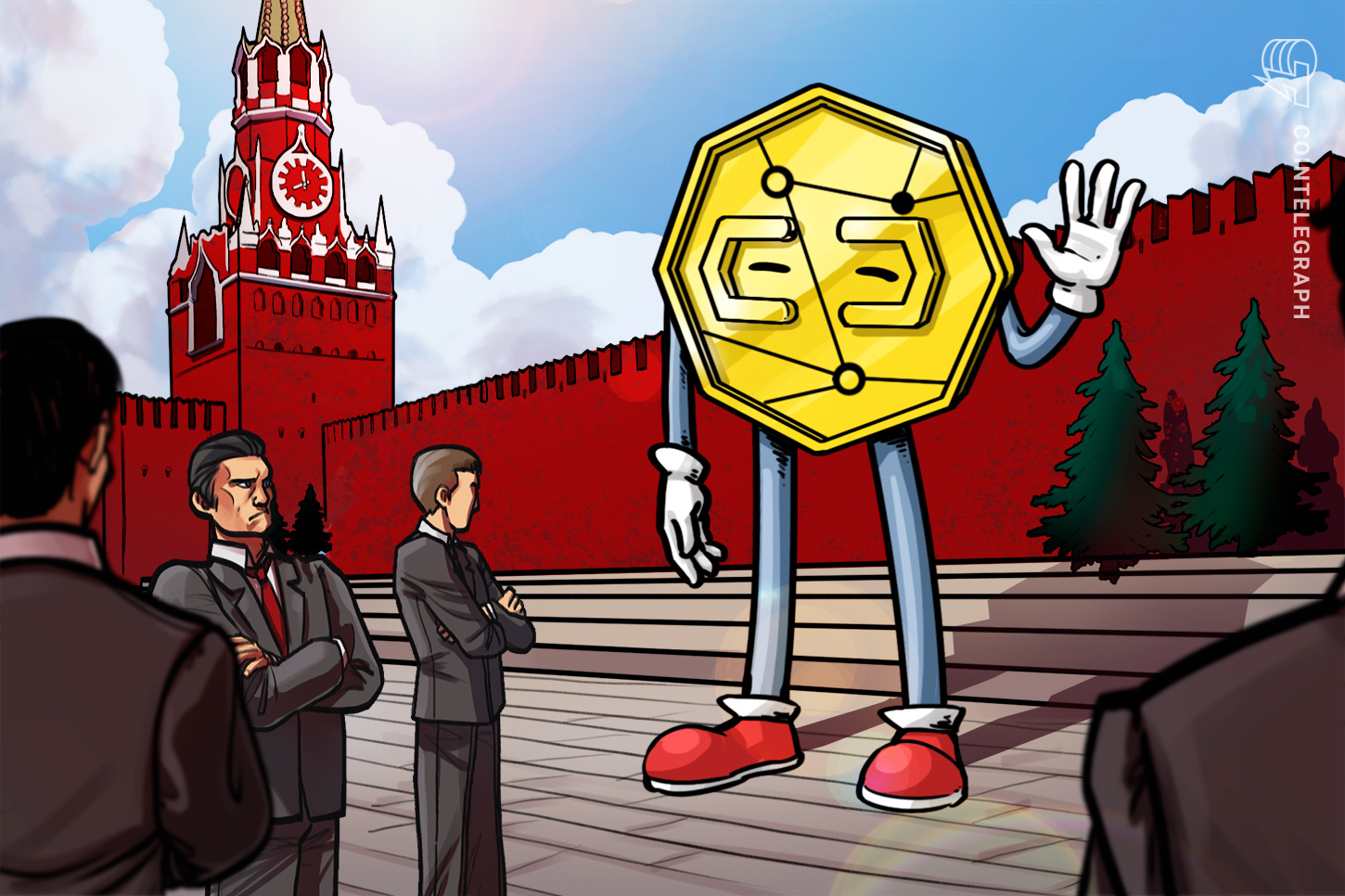
- Russia's Energy Ministry banned crypto mining in Moscow, the Moscow Region, and parts of Kursk through Dec. 31, 2032, under government decree No. 936 (signed July 25, published July 31), which also prohibits participation in crypto mining pools.
- Moscow's power system already absorbs roughly 1 gigawatt from mining, while regional data-center capacity could reach 3.6 GW — 17% of peak demand — by 2032, per Interfax, driving the Energy Ministry's call for year-round restrictions.
- Russia accounted for an estimated 175 exahashes per second, or 16.4% of Bitcoin's global computing power in Q1, placing it second behind the U.S., though how much of that capacity sits in the newly restricted region is unclear.
- Russian companies have used domestically mined bitcoin for international payments to circumvent Western sanctions, Finance Minister Anton Siluanov said in December 2024, and July legislation preserved that exception alongside the broader domestic crypto-payment ban.
- The U.S. Treasury sanctioned BitRiver and 10 subsidiaries in 2022, alleging Russian mining helped monetize the country's energy resources and offset sanctions impact.
- Russia legalized registered crypto mining in 2024 before banning the activity in 10 other regions through March 2031, also citing rising electricity demand, making the Moscow ban the latest expansion of that pattern.
Why it matters: Russia banned mining in its capital even though the country ranks as the world's second-largest Bitcoin mining power at 16.4% of global hashrate. Moscow's existing 1 GW mining load and projected 3.6 GW data-center growth — 17% of peak demand by 2032 — show why the grid couldn't sustain both, but for sanctions-evasion users of mined bitcoin, the workaround just lost a key industrial cluster.
Ask SkimNews