Iran war depleted US Patriot missile stockpiles, creating readiness challenges, experts say — SkimNews
Get the Geopolitics newsletter
Daily geopolitics — wars, elections, sanctions, the diplomatic moves that move markets. Free.
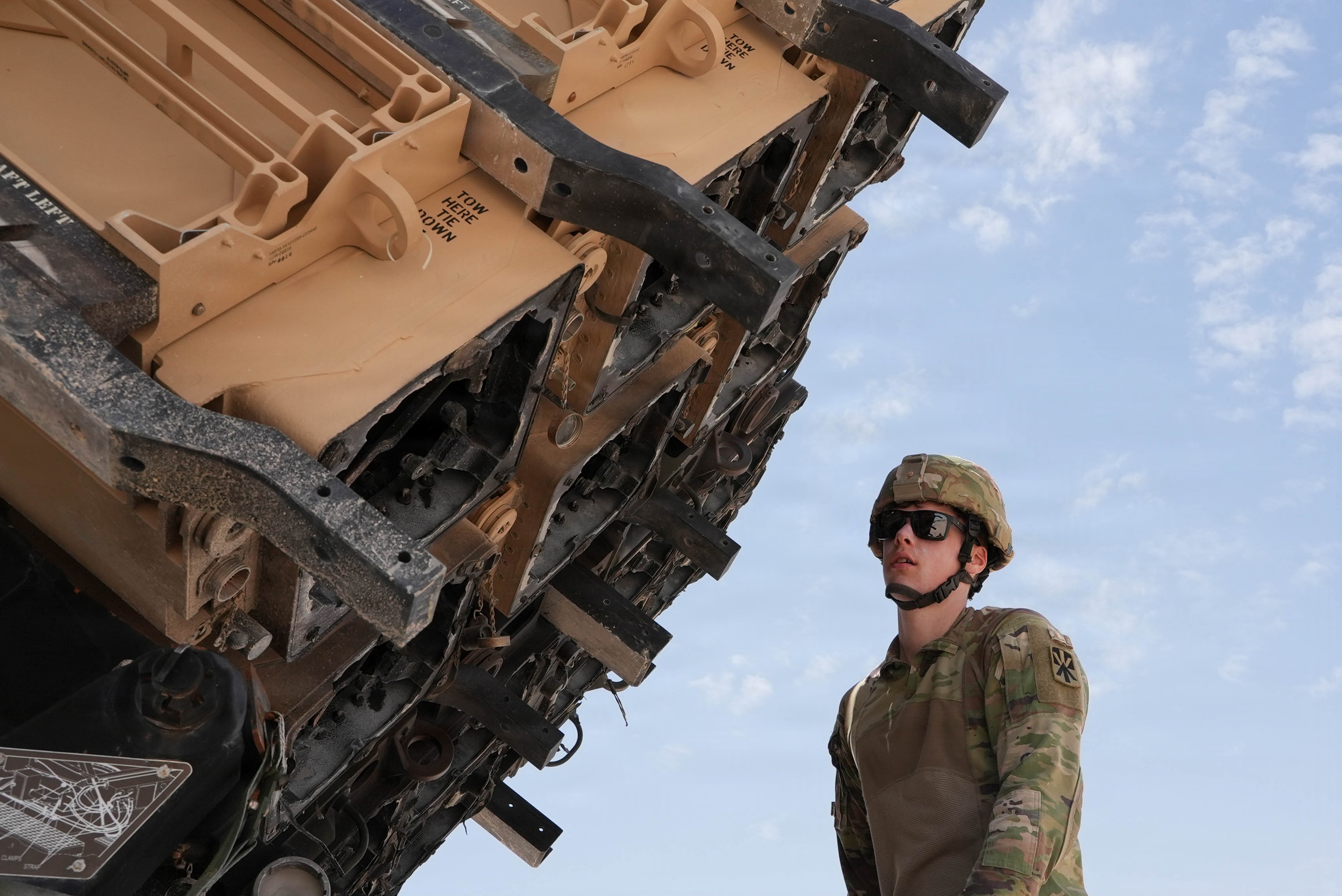
- CSIS estimates the US has expended about 65% of its pre-war Patriot interceptor inventory during the conflict with Iran, leaving fewer than 1,000 interceptors remaining.
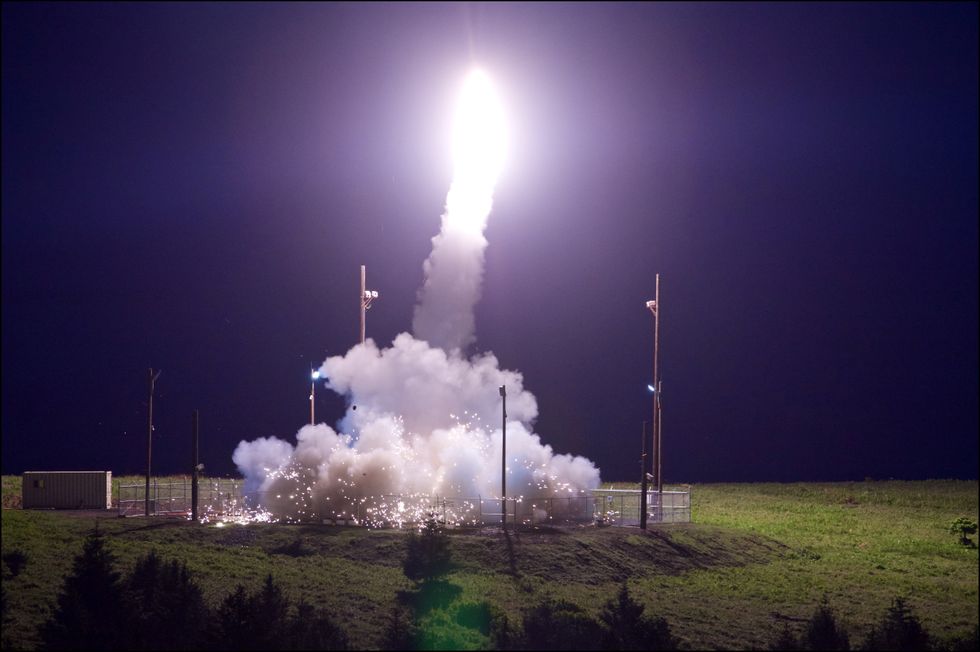
- THAAD interceptor inventories declined approximately 38% during the conflict, leaving an estimated 234 to 278 interceptors.
- CSIS analysts Mark Cancian and Chris Park identified the greater strategic risk as responding to another high-intensity contingency before stockpiles can be rebuilt, not sustaining the current conflict.
- Cancian told the BBC that missiles funded today won't arrive for three to five years, noting that interceptors currently being delivered were originally funded in 2023.
- The Army awarded Lockheed Martin a contract worth up to $58.6 billion to produce PAC-3 MSE interceptors through fiscal 2032, intended to expand production capacity.
- CSIS concluded there are "no good alternatives to Patriot and THAAD for ballistic missile defense," even as some Iranian missiles penetrated defenses and caused casualties and damage.
Why it matters: The US faces a multi-year readiness gap in its primary ballistic missile defenses: Cancian says new interceptors take three to five years to produce, meaning the $58.6 billion Lockheed Martin contract will not deliver missiles until the late 2020s. With fewer than 1,000 Patriots and 234–278 THAAD interceptors left, any peer adversary could pressure Washington into conservation tradeoffs before stockpiles recover.
Ask SkimNews