Recent fighting with Iran further draws down key US air defense stockpiles, analysis says — SkimNews
Get the Geopolitics newsletter
Daily geopolitics — wars, elections, sanctions, the diplomatic moves that move markets. Free.
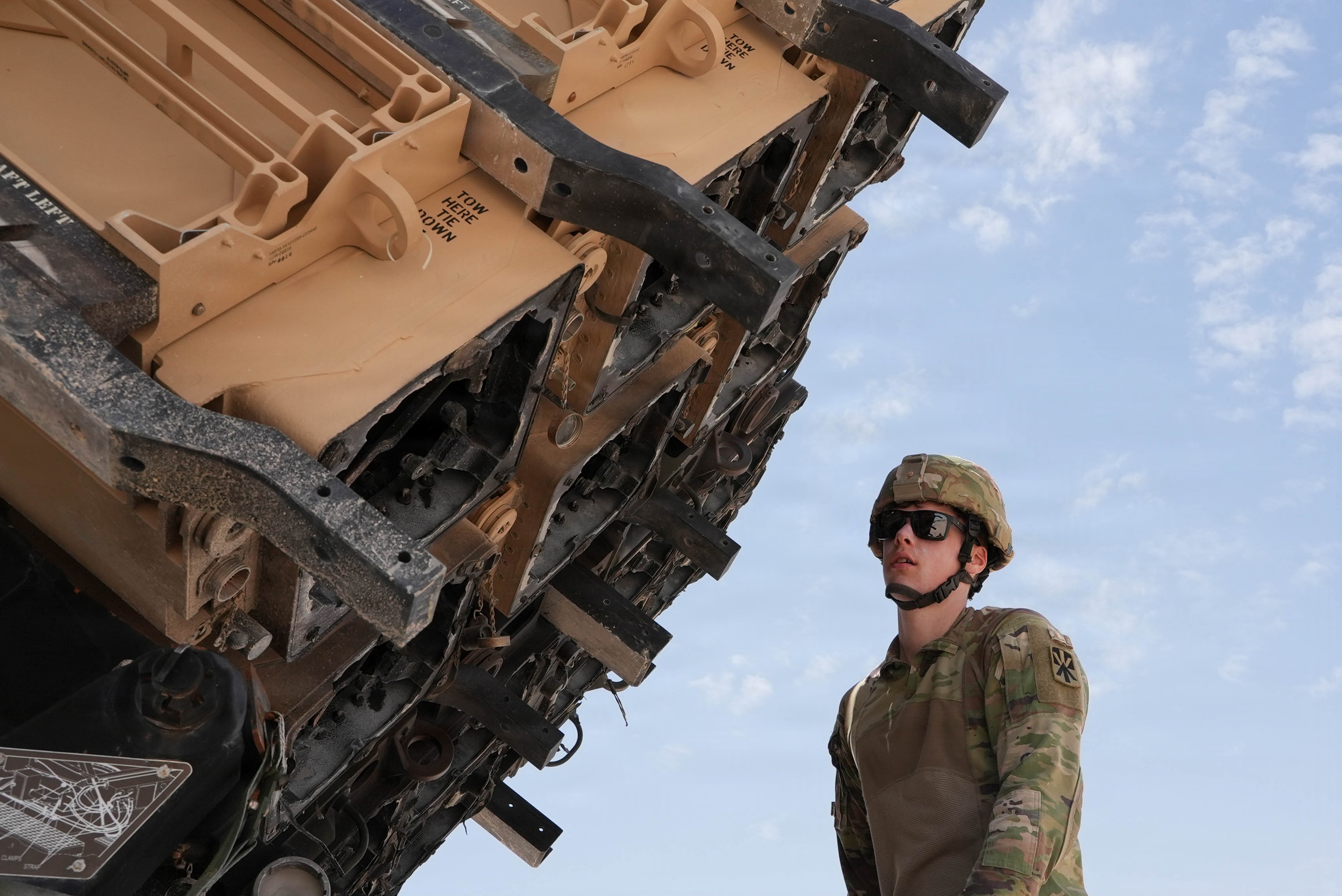
- CSIS analysis estimates Patriot interceptor stockpiles fell from 2,330 before the war to between 759 and 827 after recent fighting — a decrease of at least 65%
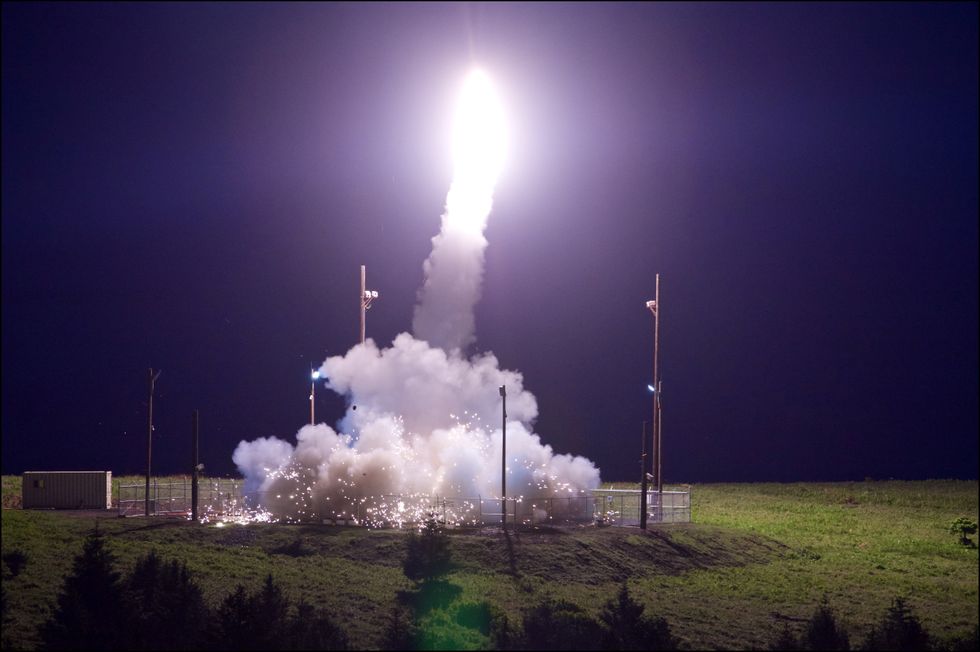
- THAAD interceptors dropped from 452 pre-war to between 234 and 278, a decline of at least 38%, even after partial replenishment, per the think tank's report
- Gen. Dan Caine, chairman of the Joint Chiefs of Staff, told President Trump that the state of munitions stockpiles could affect military operations in Iran, according to a U.S. official
- Pentagon spokesman Sean Parnell pushed back on concerns, stating the military has "everything it needs to execute at the time and place of the President's choosing"
- Defense Secretary Pete Hegseth told lawmakers the war has cost an estimated $37.5 billion, and the Pentagon is requesting $67 billion from Congress to replenish munitions including Patriots and THAADs
- CSIS senior adviser Mark Cancian warned that lower inventories could lead U.S. forces to fire two interceptors instead of three against incoming drones and missiles, or to let missiles expected to hit unpopulated areas go unchallenged
- The five-month war, launched Feb. 28 without congressional approval alongside Israel, has killed 18 U.S. service members and become a political flashpoint ahead of November's midterm elections
Why it matters: The $67 billion Pentagon replenishment request arrives as Democrats cite dwindling interceptor stockpiles against Trump ahead of November's midterm elections, and CSIS has already warned it could take at least three years to fully restock Patriot, THAAD, and Tomahawk inventories — leaving gaps the U.S. would carry into any future crisis, including with China.
Ask SkimNews