Modi's Iran Diplomacy Worsens India's LPG Shortage — SkimNews

SkimNews Take
India's structural energy dependence on the Gulf converts external geopolitical choices into domestic electoral pressure, yet voters appear to blame fuel shortages rather than the diplomatic alignment itself — insulating foreign policy from accountability even as its costs mount.
Get the Geopolitics newsletter
Daily geopolitics — wars, elections, sanctions, the diplomatic moves that move markets. Free.
- Mamata Banerjee led a massive protest rally in Kolkata on March 16, carrying cut-out cooking gas cylinders and questioning why the Modi government failed to prepare an action plan for LPG disruptions after the U.S.-Israel war on Iran.
- M.K. Stalin blamed the Modi government's "wrong decisions" and "foreign policy failures" for the shortage, with his DMK party organizing protest rallies across Tamil Nadu on March 15—part of a broader political offensive in three opposition-ruled states heading to assembly elections next month.
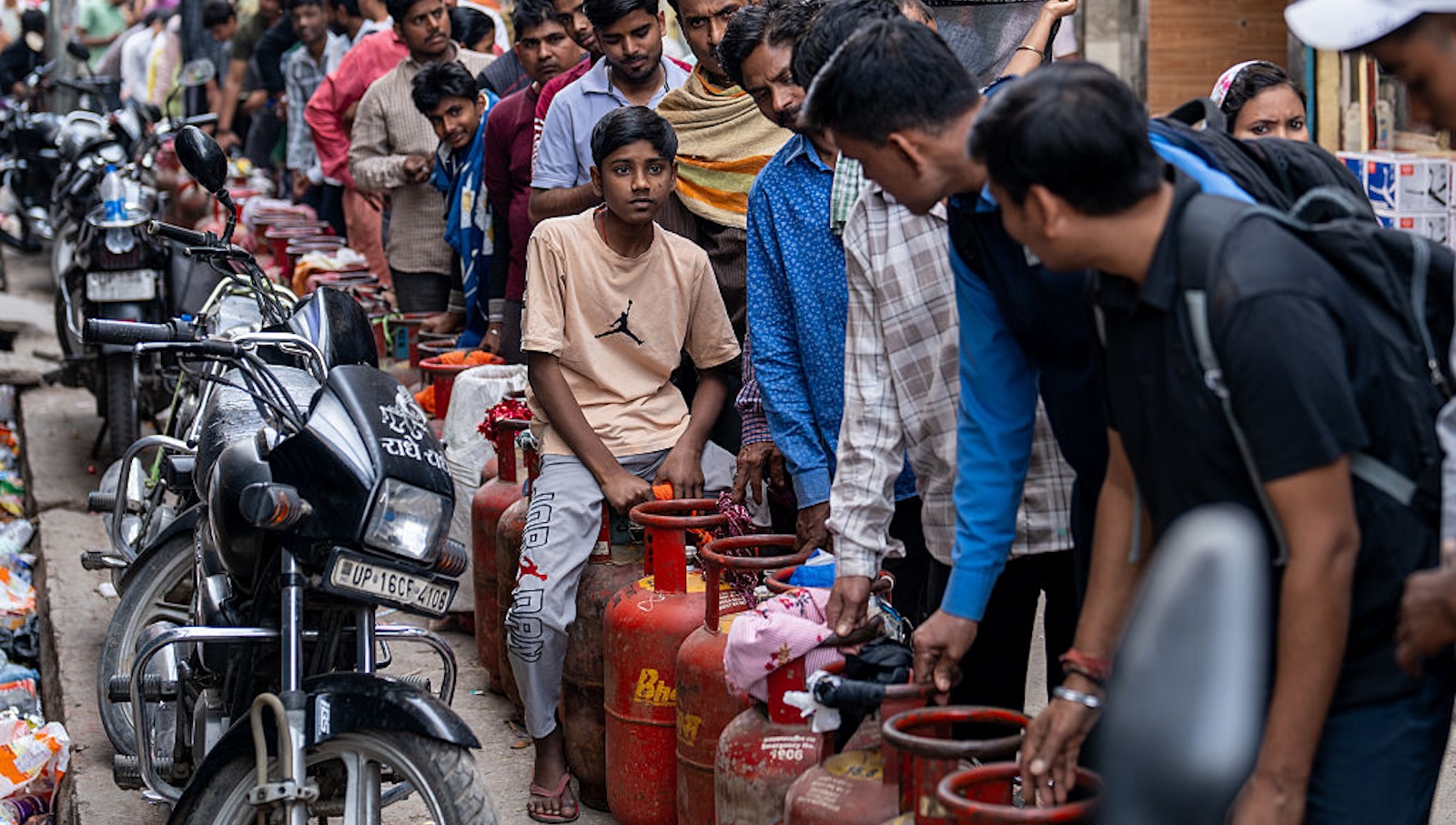
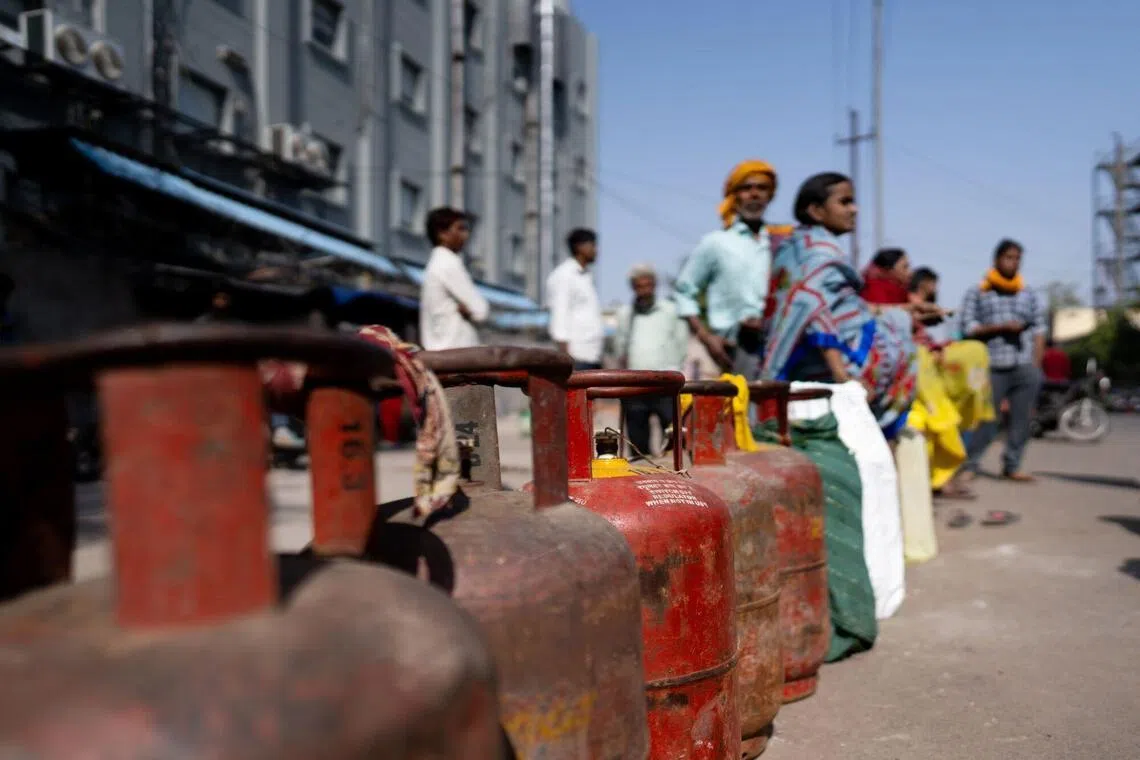
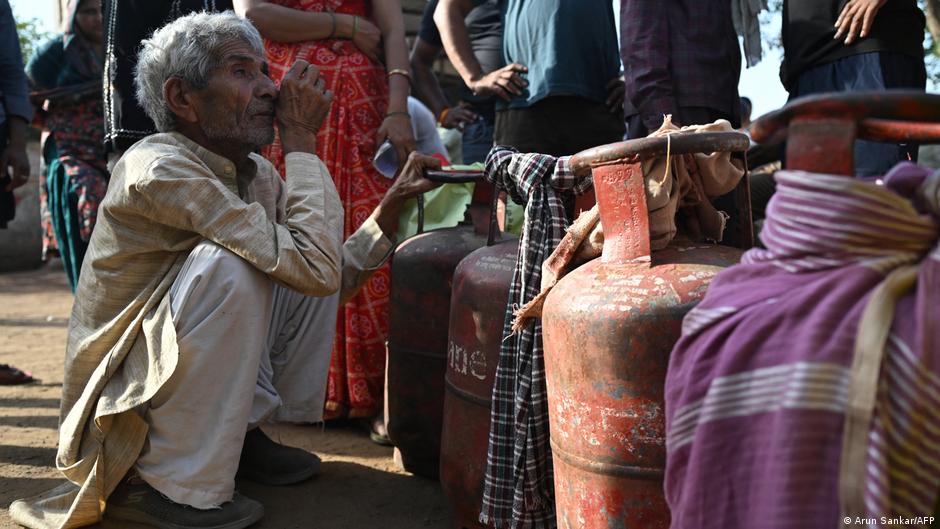
- The supply crunch has been acute: cylinders that once arrived a day after ordering now take a month or are resold at higher rates on the black market, and the government only acknowledged the situation as "worrisome" on March 18.
- The U.S.-Israel war on Iran, which began February 28, has disrupted Gulf energy flows as Iran targets tankers in the Strait of Hormuz—a chokepoint through which India receives over half of its crude oil and a major share of its LPG/LNG, with India importing 85-90 percent of its crude from the region.
- Modi's diplomatic posture toward Iran has drawn opposition fire: he visited Israel less than 48 hours before the strikes, India co-sponsored a UNSC resolution condemning Iran, and New Delhi did not condemn the assassination of Ayatollah Ali Khamenei, prompting rivals to accuse the government of abandoning strategic autonomy.
- Financial markets have absorbed the shock—roughly $240 billion in Indian investor wealth was wiped out in about a week, and the rupee fell to a record low of about 92.47 per U.S. dollar as energy supply risks mounted.
Why it matters: The crisis is as much electoral as it is energetic: with three of four states heading to assembly elections ruled by opposition parties, Modi's pre-war Israel visit and refusal to condemn the Khamenei assassination have given Banerjee and Stalin a direct line of attack, while the $240 billion market wipeout and record-low rupee translate geopolitical missteps into household pain—long queues for cooking gas.
Ask SkimNews