92% Back Autism Brain Research, 70% Never Heard of Donation — SkimNews
Get the Health newsletter
Daily health & science — research, biotech, public health, the studies worth knowing. Free.
- Autism BrainNet survey of 1,007 U.S. adults (Feb 26–Mar 2, 2026) found 92% consider analyzing the autistic brain extremely or very important, yet 70% had never heard of brain donation after death.
- Brain donation awareness lags organ donation sharply: more than 80% of respondents are familiar with organ donation and over half are registered organ donors, but only 15% know brain donation requires a separate process outside organ donor registries.
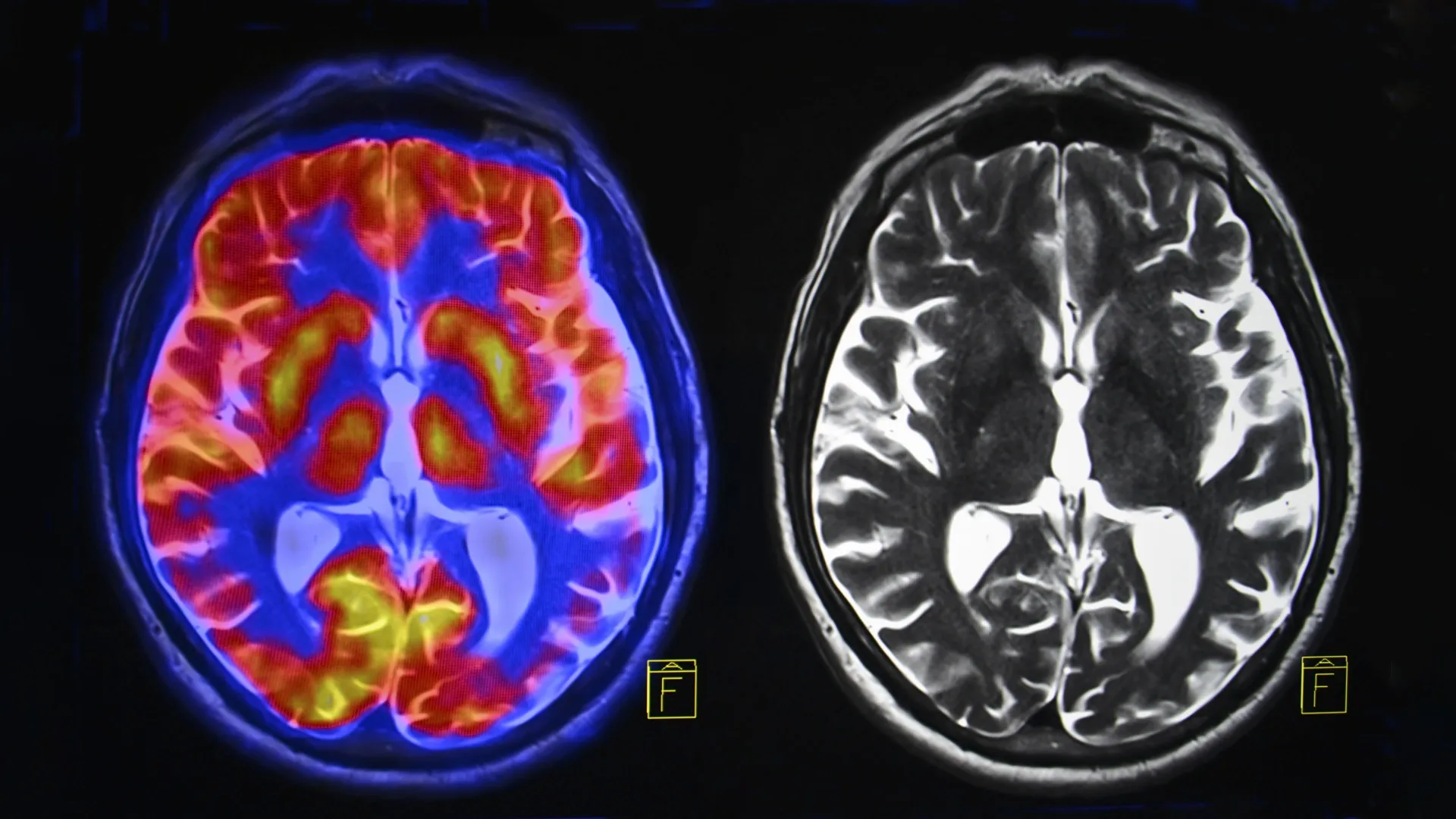
- David G. Amaral, Ph.D., Scientific Director of Autism BrainNet and UC Davis Distinguished Professor, called postmortem brain tissue a critical resource that "cannot be replicated by artificial intelligence, imaging technologies, or even animal experiments."
- Widespread confusion persists on logistics: fewer than half of respondents knew donation must occur within hours of death, a small number believed it could happen while alive, and nearly one-third wrongly thought conditions like autism or epilepsy would disqualify a donor.
- Kathy Stein, who donated her late autistic brother Ed's brain, said the gift "is a positive way to acknowledge what a wonderful person he was and to extend his legacy."
- Autism BrainNet will host a Reddit "Ask Me Anything" on April 29 (12–2pm ET) featuring Amaral and Dr. Alycia Halladay of the Autism Science Foundation to answer questions about eligibility, timing, and logistics.
- Donation logistics: Autism BrainNet accepts brains from autistic individuals, people with autism-linked genetic diagnoses (with or without autism), and nonautistic donors; ideal window is within 48 hours of death, there is no cost to families, and arrangements don't interfere with funeral plans.
Why it matters: Autism research depends on a scarce, non-substitutable resource — postmortem brain tissue — and the survey shows the pipeline is starved by a 70% awareness gap despite near-universal public support for the science. If that awareness doesn't shift, the pool of eligible autistic donors who pre-register (autistic adults, families, and care partners are the specific groups Amaral urged to act) will remain too small to fuel the discoveries 92% of Americans say they want.
Ask SkimNews