Russia detains Japanese journalist in escalating Japan-Russia rift — SkimNews

Get the Geopolitics newsletter
Daily geopolitics — wars, elections, sanctions, the diplomatic moves that move markets. Free.
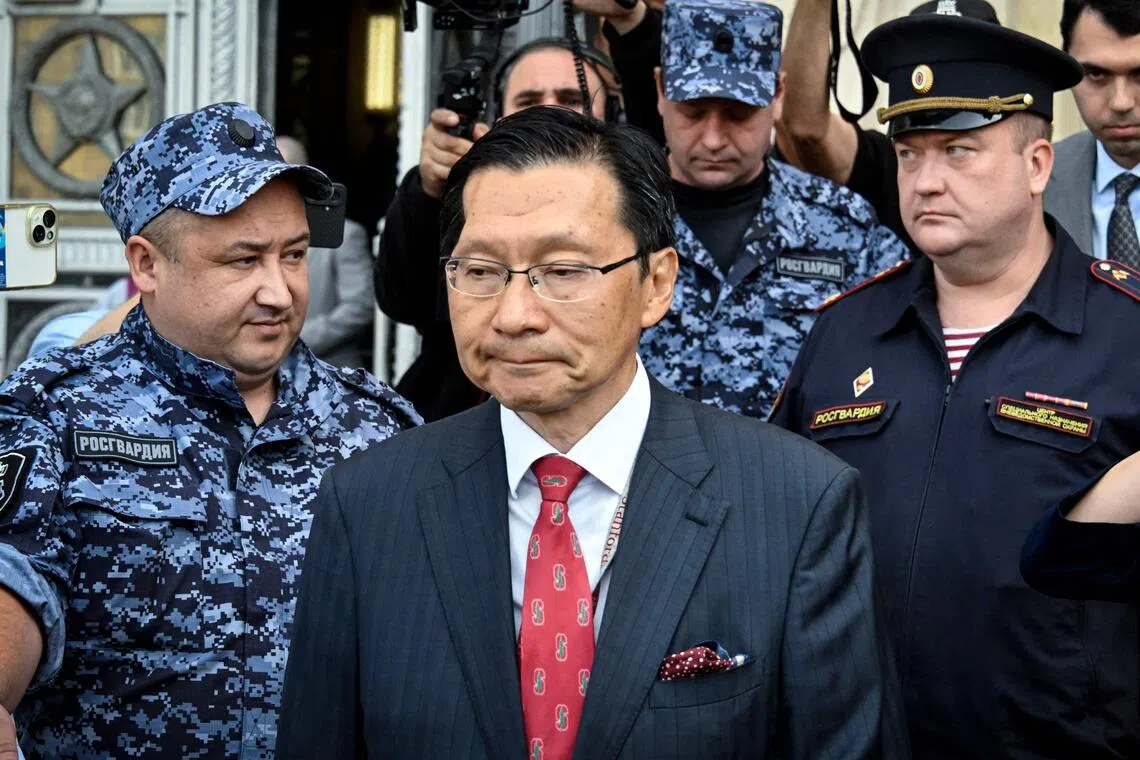
- Russia arrested journalist Yuki Imai on espionage charges in Sakhalin, denying Japanese consular access and prompting Tokyo to denounce the move as baseless and provocative.
- Japan protested the detention, calling the espionage allegations untrue, while media outlets condemned Moscow’s treatment of foreign journalists as akin to targeting state-controlled media.
- Russia deepened its alignment with China by hosting a Chinese commercial delegation on Etorofu/Iturup, a disputed island, to explore joint fisheries and tourism ventures.
- Japan contributed 2.2 billion yen to NATO’s Ukraine support fund and deployed four Self-Defense Forces personnel to Germany, moves Russia views as part of NATO’s encirclement in the Far East.
- Experts including James D.J. Brown and Taisuke Abiru assess Imai’s detention as potential 'hostage diplomacy' aimed at extracting prisoner swaps or geopolitical concessions from Japan or its allies.
- Japan maintains equity stakes in the Sakhalin-1 and Sakhalin-2 energy projects despite Western sanctions, citing energy security and the risk of losing taxpayer-funded assets to other nations.
- Russia conducted military drills near the disputed Southern Kurils while accusing Imai of gathering intelligence on its defensive capabilities during the exercise period.
Why it matters: Japan faces a strategic dilemma: maintaining energy ties with Russia while resisting coercion over the journalist’s detention and island dispute. The 2.2 billion yen NATO contribution and SDF deployment signal deeper security alignment with the West, directly challenging Moscow’s red lines and risking further retaliation, including prolonged detention of Imai or energy leverage.
Ask SkimNews