China Enters Japan-Russia Kuril Islands Dispute — SkimNews

Get the Geopolitics newsletter
Daily geopolitics — wars, elections, sanctions, the diplomatic moves that move markets. Free.
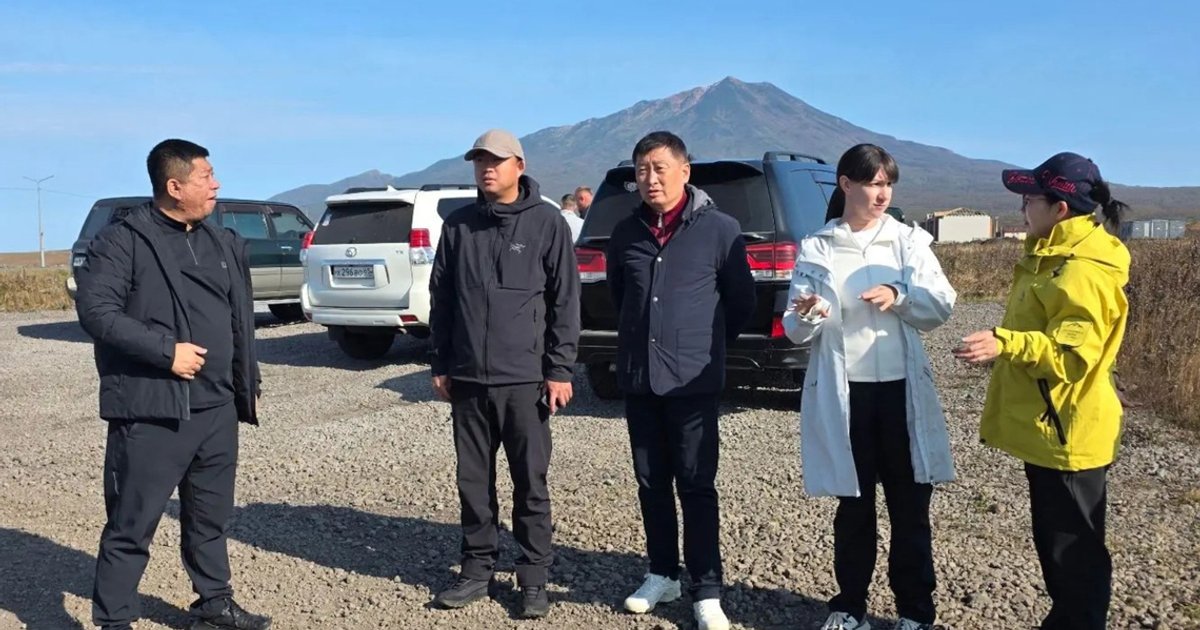
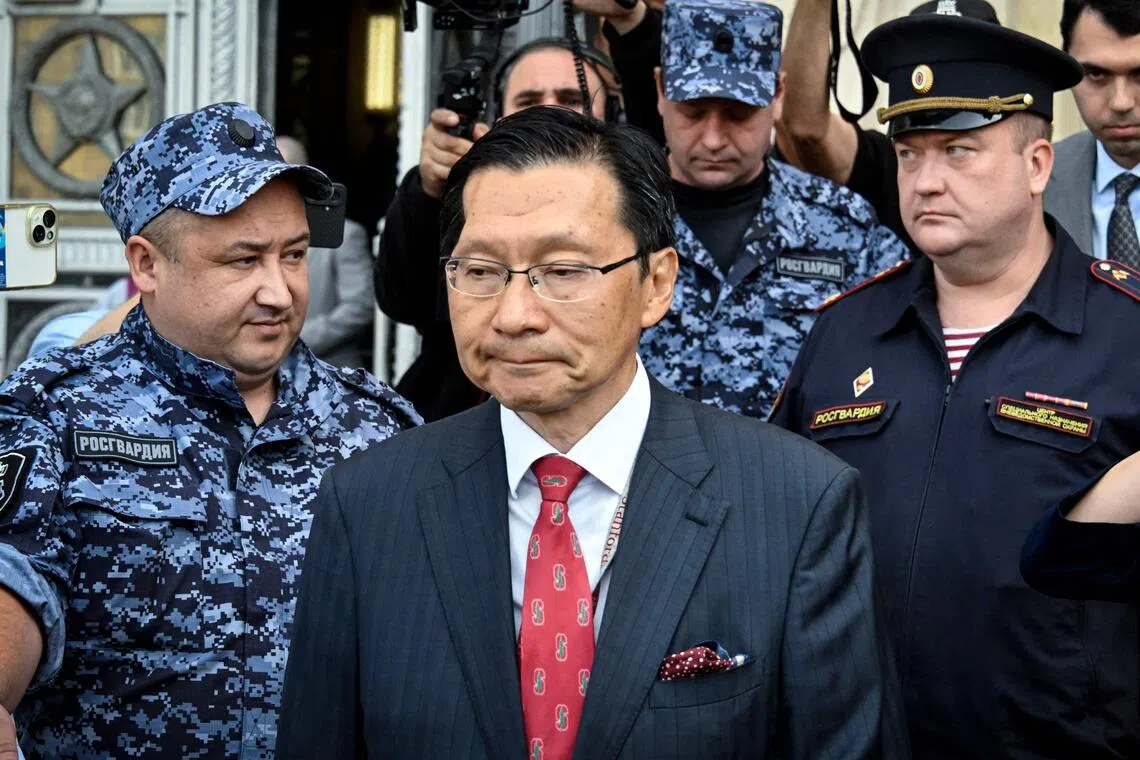
- Chinese delegation from Heilongjiang Province, including government officials and entrepreneurs, visited Iturup Island (Etorofu) on October 13 per Sakhalin Oblast government, prompting Japanese Foreign Minister Motegi Toshimitsu to declare the visit 'absolutely unacceptable.'
- Beijing's response cited 'outcomes of the victory of World War II,' which Japanese media interpreted as a coordinated stance with Moscow rather than a neutral diplomatic formulation.
- China and Russia issued a May 2025 joint statement casting both as 'pivotal forces in the fight against militarism and fascism,' explicitly aligning their WWII narratives against Japan and pledging to resist any 'resurgence of militarism.'
- The visit coincided with a group of 27 Japanese parliamentarians traveling to Taiwan — which Beijing views as infringing its territorial sovereignty — making the Kuril trip a plausible Chinese countermeasure.
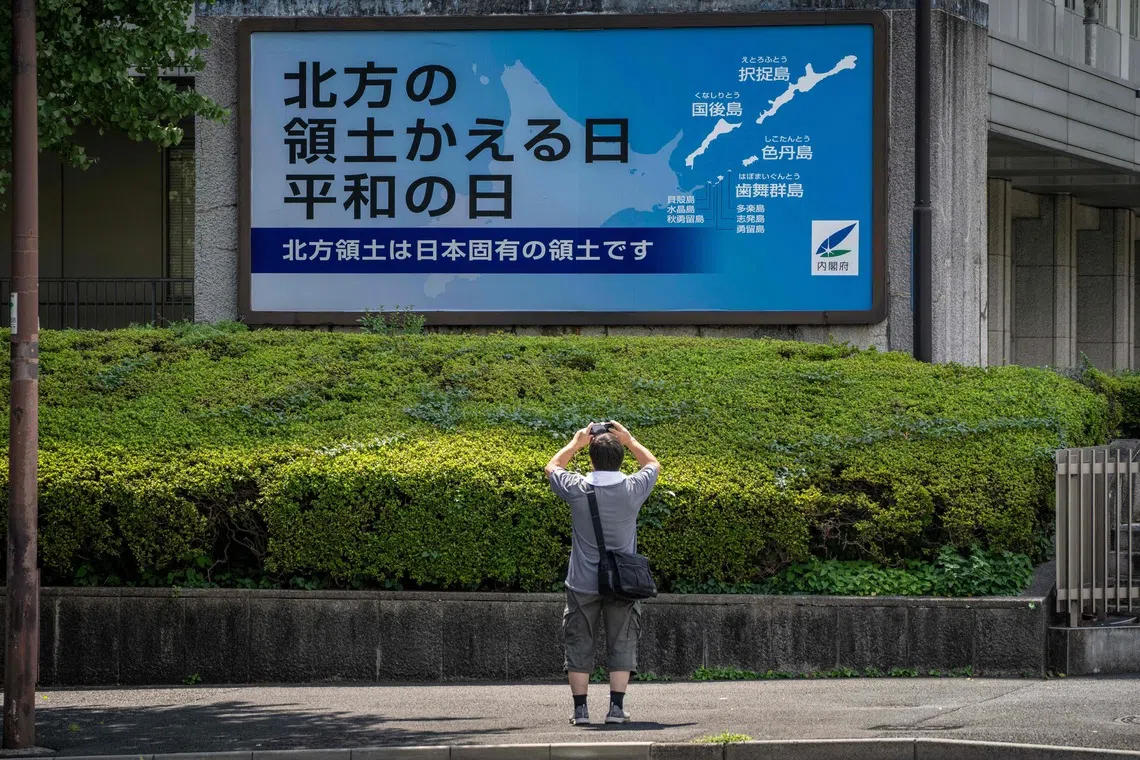
- The Southern Kurils hold untapped fishery and mineral resources, and Russia's 2022 special economic zone opens the door to Chinese investment that would strengthen Moscow's de facto control while giving Beijing a new pressure point against Tokyo.
- Japan is boxed in by its own sanctions regime against Russia and its deteriorating relations with China, leaving little diplomatic room to counter coordinated Beijing-Moscow activity in the region.
- Chinese maps still label the islands as Japanese territory under Russian occupation, and Beijing is likely to keep its formal sovereignty stance ambiguous to preserve diplomatic maneuvering room with both Tokyo and Moscow.
Why it matters: The visit reframes a stalled bilateral dispute as a potential three-way geopolitical variable: if Chinese capital flows into the islands' untapped fishery and mineral resources under Russia's 2022 special economic zone, Beijing acquires leverage over Tokyo and Moscow consolidates control. For Japan — constrained by its own Russia sanctions and frosty China ties — that shift makes the Kurils a Northeast Asia security flashpoint rather than a frozen bilateral irritant.
Ask SkimNews