Obesity Disease Label Serves Drugmakers, Op-Ed Argues

Get the Health newsletter
Daily health & science — research, biotech, public health, the studies worth knowing. Free.
- Eli Lilly and Novo Nordisk have launched promotional websites explicitly framing obesity as a chronic disease — Lilly calls it a "chronic and complex medical entity," while Novo Nordisk cites WHO recognition to argue the condition is "serious, progressive and chronic."
- France's medicines regulator fined Novo Nordisk approximately $2 million and Eli Lilly $127,000 last month over direct-to-consumer obesity awareness campaigns that regulators argued excluded alternative weight management approaches.
- The American Medical Association's Council on Science and Public Health concluded in 2013 there was insufficient evidence to classify obesity as a disease, but the full membership voted to designate it as one anyway.
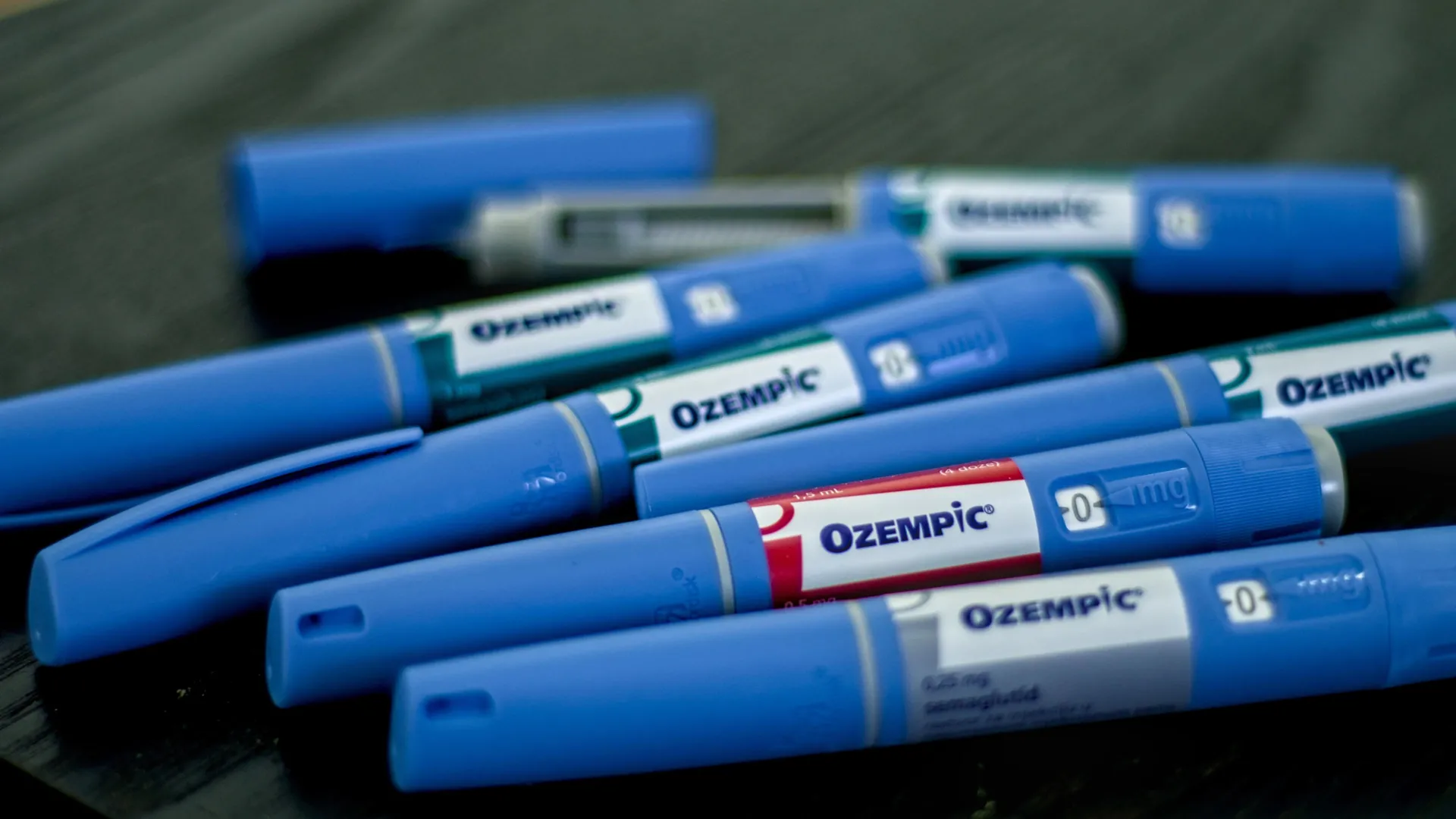
- GLP-1 drugs like Wegovy and Mounjaro — among the most commercially successful medicines in history — produce clinically meaningful weight loss and cardiovascular benefits, yet disease framing risks crowding out behavioral, psychological, and environmental solutions that are "less patentable."
- Evidence indicates many patients who discontinue GLP-1 drugs regain lost weight, counterfeit markets are emerging, and the drugs are being diverted for purely aesthetic use, with regulators monitoring rare risks including gallbladder disease, pancreatitis, and psychiatric symptoms.
- The author draws parallels with SSRIs in the 1990s, arguing that reframing depression as a neurochemical disorder entrenched a pharmaceutical model whose scientific foundations have since been questioned, even as depression remains a leading cause of disability worldwide.
Why it matters: Disease classification is not a purely scientific exercise — it determines which interventions receive funding, insurance coverage, and clinical attention. The France fines show regulators are already scrutinizing how drugmakers use disease framing in consumer campaigns, and the AMA's own internal disagreement illustrates that institutional, not just biological, judgments drive these designations — with GLP-1 manufacturers positioned to capture the largest commercial gains.