Obesity care expands beyond GLP-1 drugs — SkimNews
Get the Health newsletter
Daily health & science — research, biotech, public health, the studies worth knowing. Free.
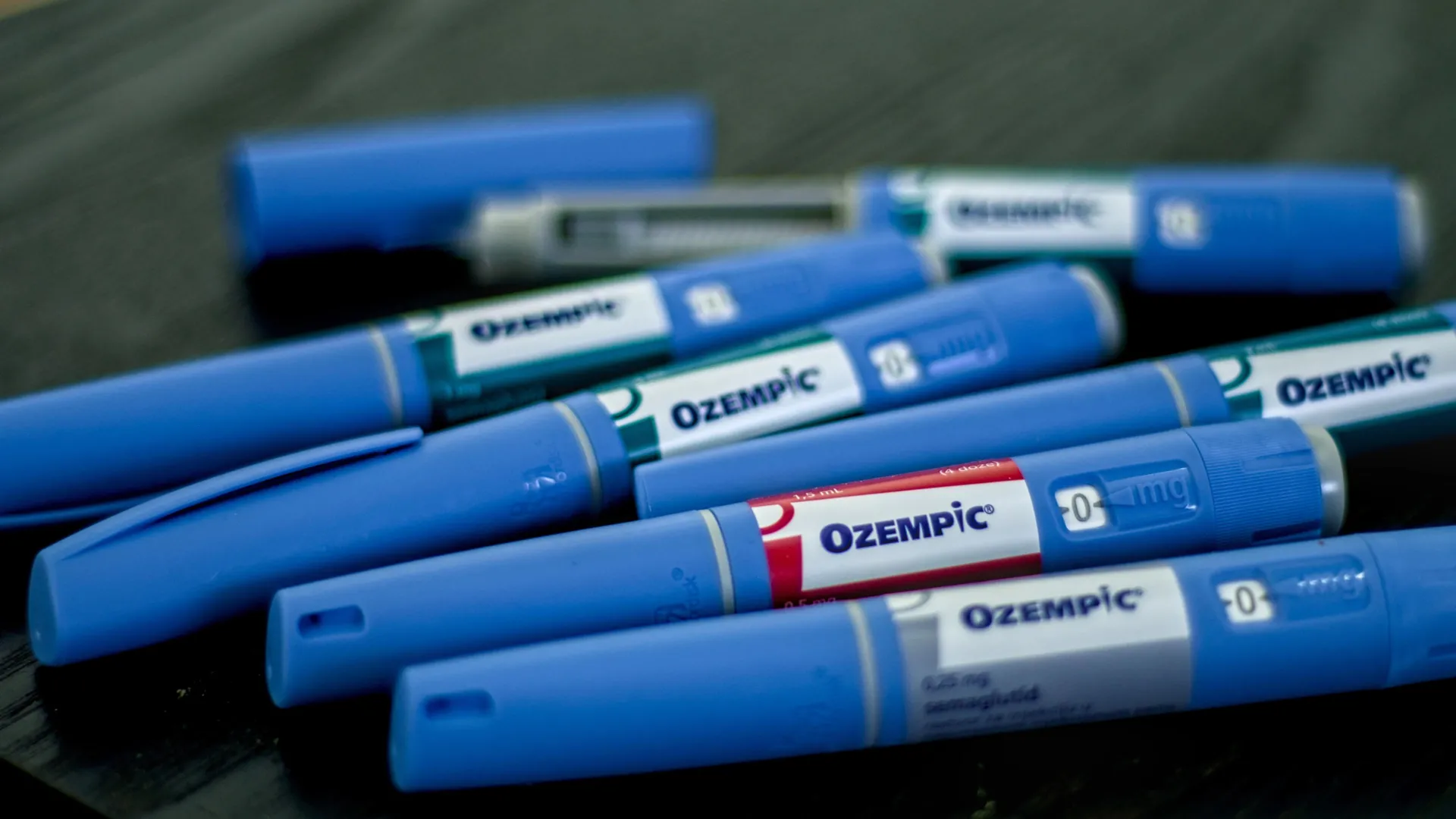
- GLP-1 receptor agonists including semaglutide (Ozempic, Wegovy, Rybelsus) and tirzepatide (Mounjaro, Zepbound) have dramatically reshaped obesity treatment, but experts say they are only one piece of a broader care puzzle.
- A commentary titled "Revisiting POWER in the GLP-1 Age," published in Gastroenterology and authored by Andres Acosta and colleagues, updates the POWER framework originally introduced in 2017 to reflect newer therapies and treatment models.
- The updated framework incorporates the emerging concept of clinical obesity, recognizing it as a chronic disease affecting multiple body systems and highlighting limitations of relying solely on BMI to evaluate health risk.
- Researchers cite growing evidence for endoscopic bariatric and metabolic therapies such as endoscopic sleeve gastroplasty as effective obesity treatment options.
- Evidence suggests pairing GLP-1 medications with endoscopic procedures or bariatric surgery produces greater weight loss and longer-lasting results than either approach alone, per the commentary.
- Advances in genetics and precision medicine could help physicians identify which treatments are most likely to benefit specific patients, according to the authors.
- Gastroenterologists and hepatologists are positioned to guide obesity management given their regular care for patients with obesity-associated conditions including MASLD, GERD, gallbladder disease, and GI complications.
Why it matters: The reframing moves obesity treatment away from a medication-only model toward a multidisciplinary toolkit tailored by clinical obesity status — giving gastroenterologists, who already manage the disease's liver and GI complications, a central coordinating role in long-term patient care.
Ask SkimNews