Second half of summer to bring chances for rain but heatwave threat persists — SkimNews

Get the Energy newsletter
Daily energy & climate — solar, EVs, oil, the policy fights and tech bets shaping the transition. Free.
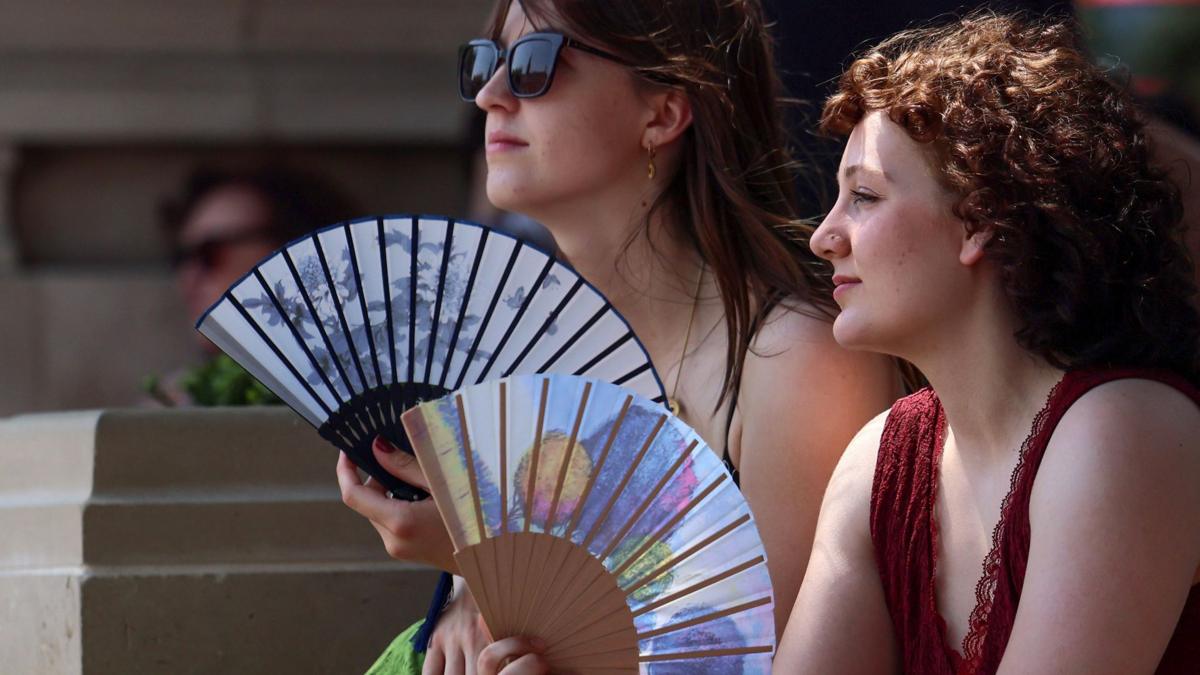
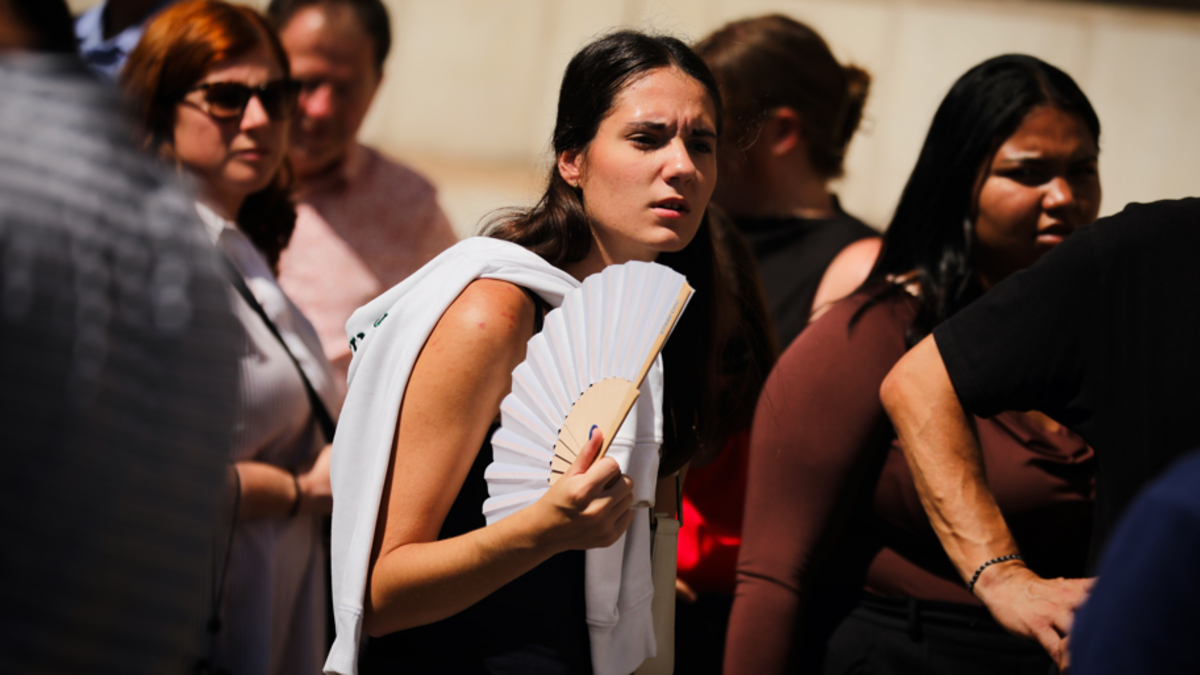
- Summer 2026 has already shattered multiple UK heat records, including a new June temperature of 37.7C at Lingwood, Norfolk, surpassing the 35.6C mark set in 1976, with six days at or above 35C and nine at or above 34C — both new records.
- 2026 is the first year on record when temperatures of 35C or above have been reached in three separate calendar months: May, June, and July, and by 15 July the UK had already recorded more days above 30C than in the entire summer of 1976.
- DTN, the BBC's weather data supplier, forecasts that areas of low pressure will feature more prominently over the next couple of weeks — especially for Scotland and Northern Ireland — while the Azores high keeps southern areas drier.
- The Met Office long-range forecast suggests the influence of high pressure may wane in late July, bringing more showers and thunderstorms initially to the north before spreading south, with a changeable start to August but above-average temperatures continuing.
- Hosepipe bans are in force for millions of UK households, some parts of southern England have seen no measurable rain for over four weeks, and dry vegetation has fueled wildfires across multiple areas.
- The Met Office attributes the extreme heat partly to climate change, noting the UK has warmed approximately 0.25C per decade since the 1980s and that weather once classed as extreme is becoming "the new normal," with a marine heatwave around UK shores also reducing the sea's cooling effect.
Why it matters: The Met Office's own conclusion that extreme weather is becoming the "new normal" reframes what looks like a freak summer — three heatwaves, three broken national records, the first 35C days across three calendar months — as a baseline shift rather than an anomaly, carrying direct consequences for the millions of households now under hosepipe bans and for wildfire preparedness across southern England.
Ask SkimNews