US-Iran War 3 Months In: Conflict Freezes Over Hormuz — SkimNews

Get the Geopolitics newsletter
Daily geopolitics — wars, elections, sanctions, the diplomatic moves that move markets. Free.
- UAE confirmed a drone strike set a fire at the Barakah nuclear plant’s perimeter, with no injuries or radiological leak.link ›
- IAEA said a reactor at Barakah is running on emergency diesel generators after the strike damaged an electrical generator.link ›
- Trump warned Iran the “clock is ticking” on May 23, 2026, after the drone strike, signaling U.S. readiness to confront Tehran.link ›
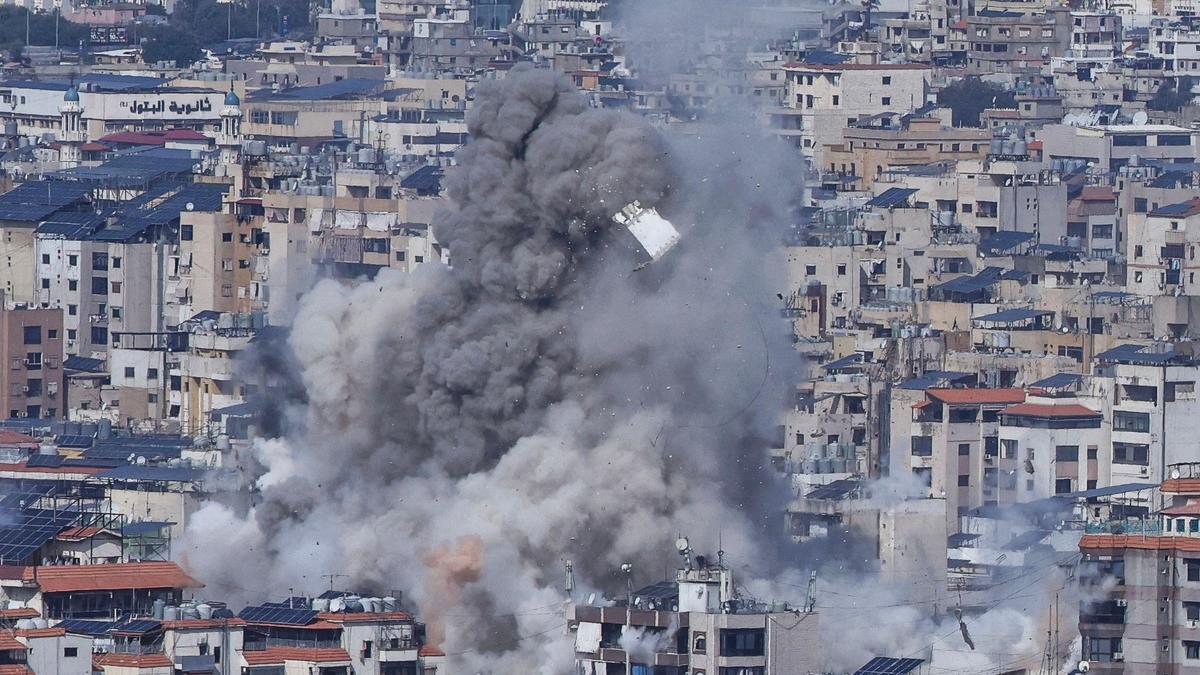
- Israel launched a massive airstrike campaign on southern Lebanon on May 22, 2026, targeting Hezbollah despite a truce extension.link ›
- Belarus began joint nuclear drills with Russia on May 21, 2026, focusing on warhead deployment and combat readiness across the country.link ›
- Ukraine condemned the Belarus‑Russia drills, urging stronger Western sanctions on Moscow and Minsk.link ›
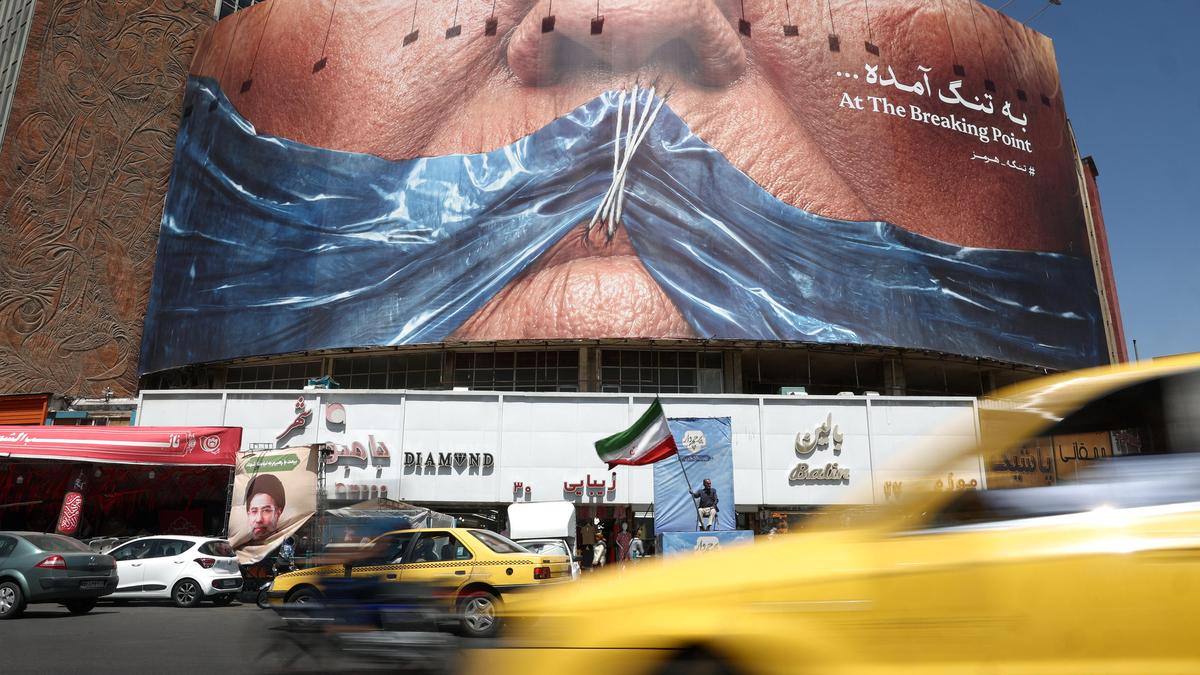
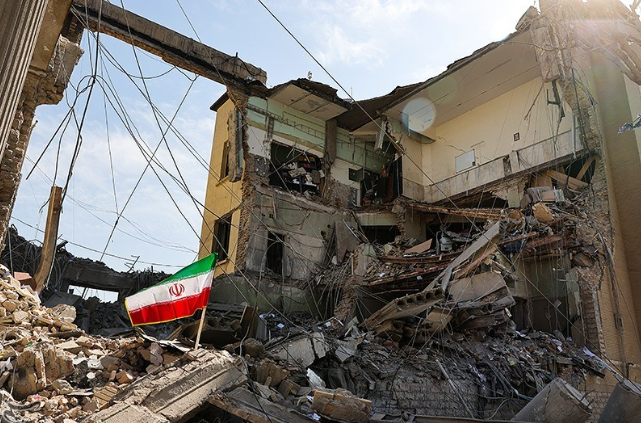
Three months after the US and Israel struck Iranian targets on February 28, 2026, the war has shifted from large-scale bombardment to a frozen phase defined by Strait of Hormuz brinkmanship, sanctions, proxy attacks and stalled diplomacy.
The stories behind this week
Drone Hits UAE Nuclear Plant, IAEA Confirms EmergencyThe Barakah attack risks direct conflict in the Gulf, with the UAE and Israel now targeted amid U.S.-Iran tensions. One reactor relying on emergency power introduces a new physical threat to energy infrastructure, raising stakes for global oil and nuclear safety as crude inventories remain down 900,000 barrels.

Belarus, Russia Launch Nuclear Drills Amid NATO AlarmNATO faces heightened nuclear risks on its eastern flank as Belarus hosts Russian warheads, increasing pressure on Western governments to respond with targeted sanctions and reinforced deterrence—raising stakes for European security.

Taiwan representative to US responds to Trump’s stance on arms salesTaiwan strengthens its bargaining position in U.S.-China negotiations, while the United States delays a $14 billion defense boost that it hoped would give leverage over Beijing.

Xi Warns Trump on Taiwan; Trump Ambivalent on ArmsTaiwan's defense forces lose a vital $14 billion armament boost, while U.S. manufacturers miss a major contract, potentially weakening Taipei's deterrence against Chinese pressure and emboldening Beijing's regional posture.

China to Buy $17B US Ag Products Annually, White HouseU.S. agricultural producers secure a $17 billion annual market, while China locks in a steady supply of food, strengthening both economies amid trade friction and expands its agricultural import sources.
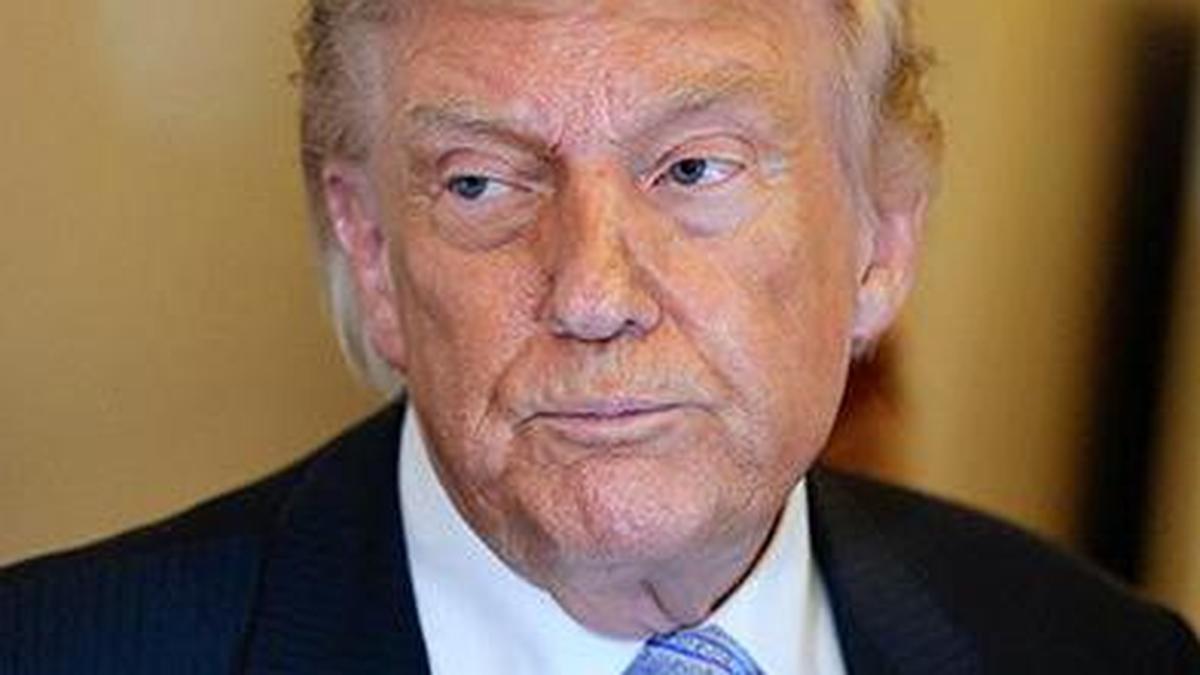
Trump Threatens Iran as Drone Hits Abu Dhabi PlantU.S. energy markets feel pressure as the war spreads, with crude inventories down 900 barrels, threatening higher gasoline prices and squeezing investors in a region already volatile.
Trump Holds White House Swearing-In for New Fed ChairFinancial markets gain a potential policy shift as the first White House Fed chair swearing‑in since 1987 signals political influence, while the Fed’s independence loses credibility, raising borrowing‑cost risk for borrowers.

Pakistan Shares Revised Iranian Peace Proposal with USAcceptance of Iran’s revised peace terms could lift the U.S. naval blockade, restart Iranian oil exports, and ease global oil supply pressures, benefiting both U.S. energy markets and regional stability.
Why it matters: With roughly a fifth of global oil and gas moving through the Strait of Hormuz, the frozen conflict leaves that supply share exposed to tanker incidents, Iranian naval maneuvering and insurance-driven reroutes. Trump's threat to 'blow up' Oman — a traditional US-Iran mediator — narrows the diplomatic off-ramp just as both sides circulate draft proposals on Hormuz access, uranium stockpiles and sanctions relief, raising the risk that the next flashpoint is a shipping lane or a civilian nuclear site rather than a battlefield.
Ask SkimNews