India's economy reels from Middle East oil shock — SkimNews
Get the Finance newsletter
Daily finance — markets, central banks, M&A, the prints that move money. Free.
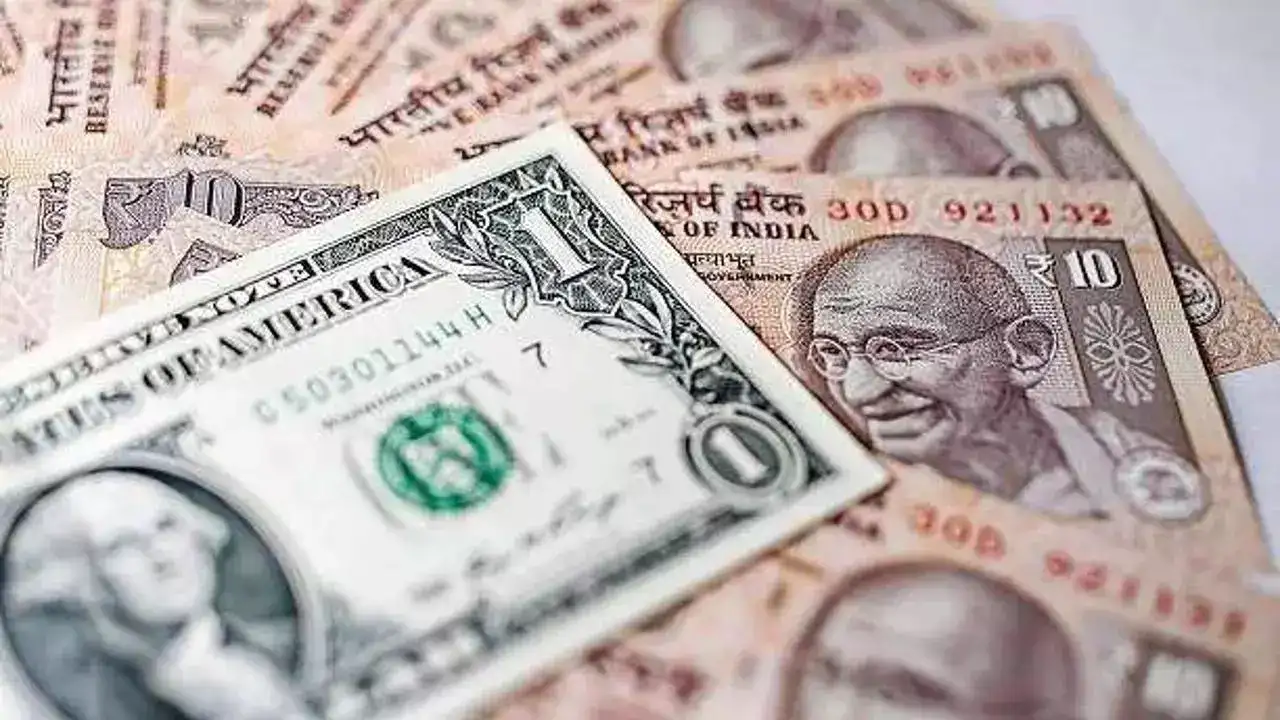
- Rupee has fallen nearly 10% against the US dollar in the past year to record lows, and Bernstein warns it could plunge past 110 per dollar if the war extends through 2026.
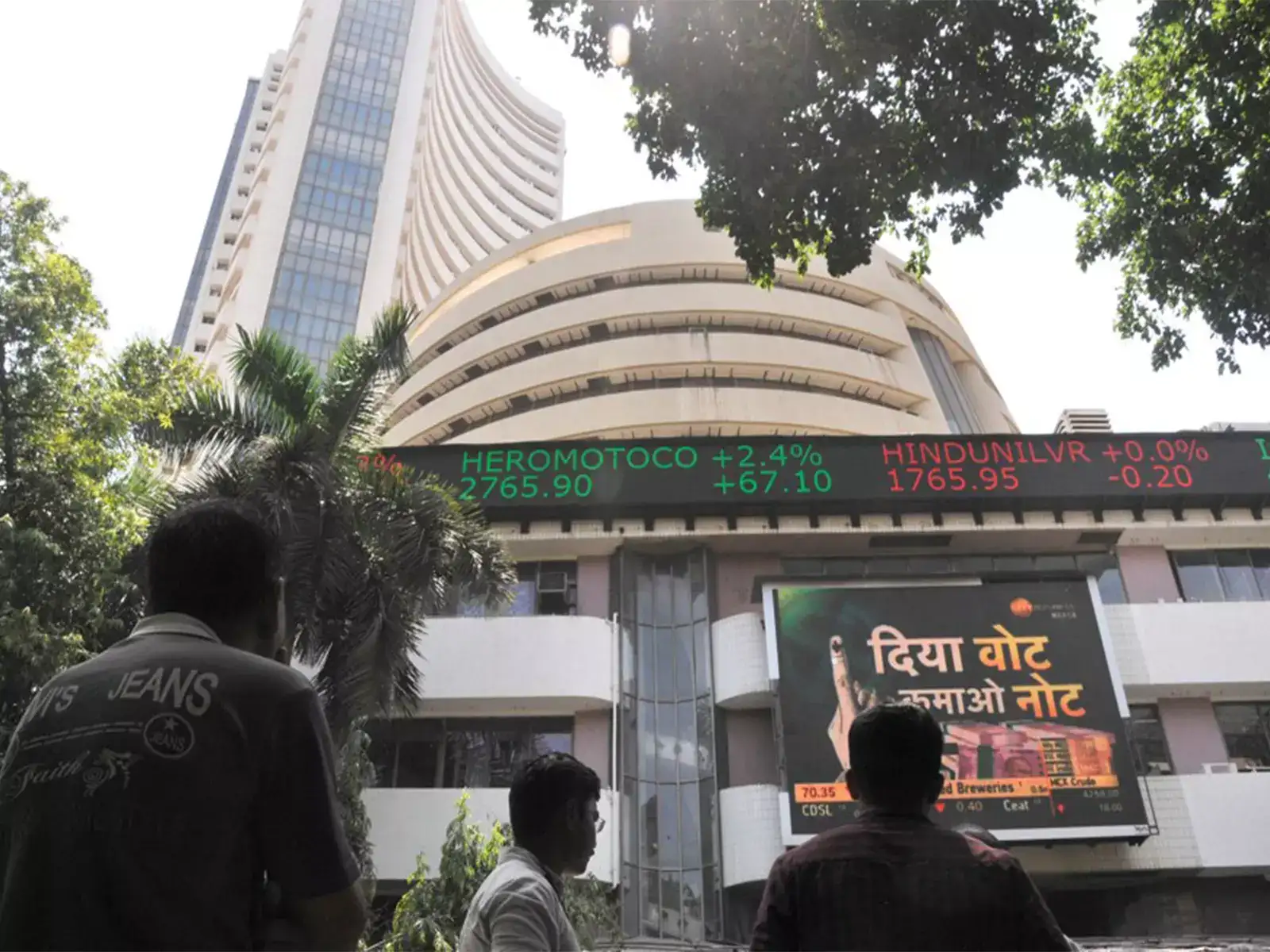
- Indian equity markets are down roughly 12% since the start of the year on foreign outflows, eroding the wealth effect that had been propping up consumption, according to the article.
- India's FY 2026-27 GDP forecast of around 7% could be shaved by as much as 1% by the Gulf crisis, further delaying India's push to overtake Japan as the world's fourth-largest economy.
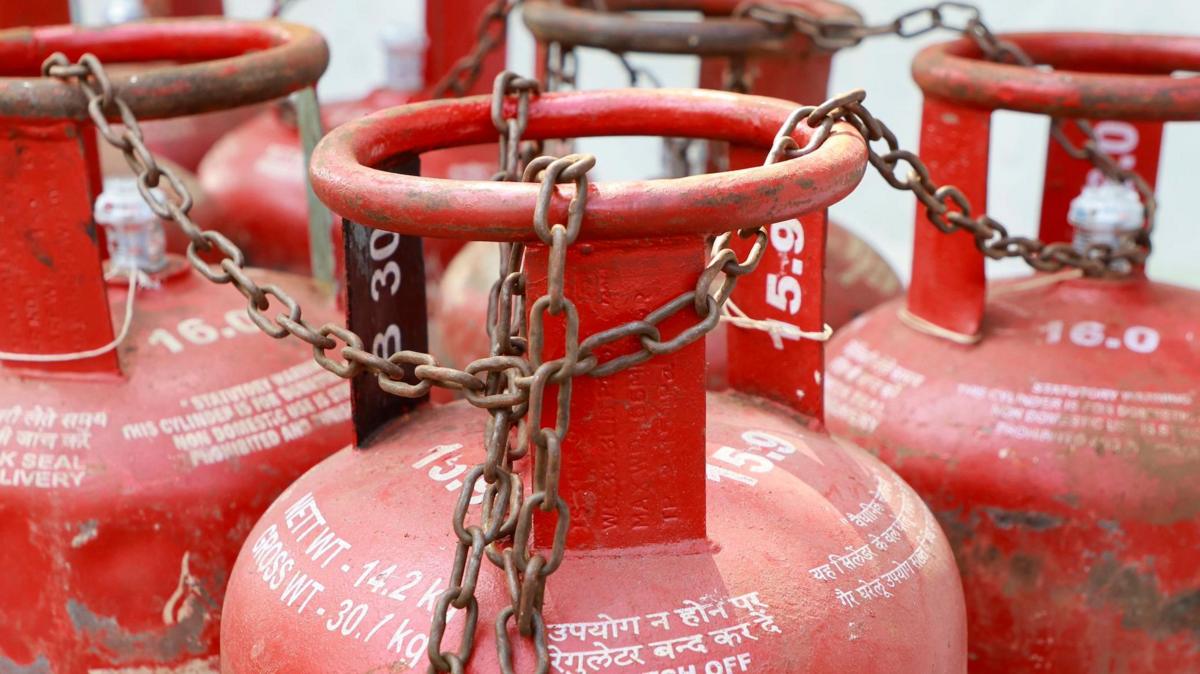
- India's energy import dependence on the region — 60% of natural gas, over 90% of LPG, and a quarter of fertiliser imports — is turning the oil shock into a broader supply crunch ahead of the sowing season and a rising El Niño risk.
- Supply shortages have already forced partial or full closures of restaurants and hotels and are hitting food processing, ceramics and funeral services, with some migrant workers reportedly leaving Mumbai in a pattern the article likens to Covid-era lockdowns.
- India's government has proposed a $6.2bn economic stabilisation fund plus extra food and fertiliser subsidies, but Bernstein calls the package "modest relative to the scale of the challenge," and the RBI is expected to hold rates steady in a "wait and watch" stance.
Why it matters: India's 1-percentage-point GDP downgrade and the rupee's slide past 110 per dollar would directly hit the consumption engine that drove the country's Goldilocks growth story, while the $6.2bn stabilisation fund is already judged too small — meaning households and migrant workers, not the treasury, are first in line to absorb the pain.
Ask SkimNews