Japan Sends US‑2 Aircraft to Balikatan in China Sea — SkimNews
SkimNews Take
The US-2's participation in a casualty-evacuation scenario indicates a practical, non-escalatory avenue for Japan to increase its presence and interoperability in the region.
Get the Geopolitics newsletter
Daily geopolitics — wars, elections, sanctions, the diplomatic moves that move markets. Free.
- Japan Maritime Self-Defense Force deployed 1,400 personnel to the Philippines, its first combat troops on Philippine soil since WWII and first under the 2023 reciprocal access agreement, including the US‑2 aircraft.
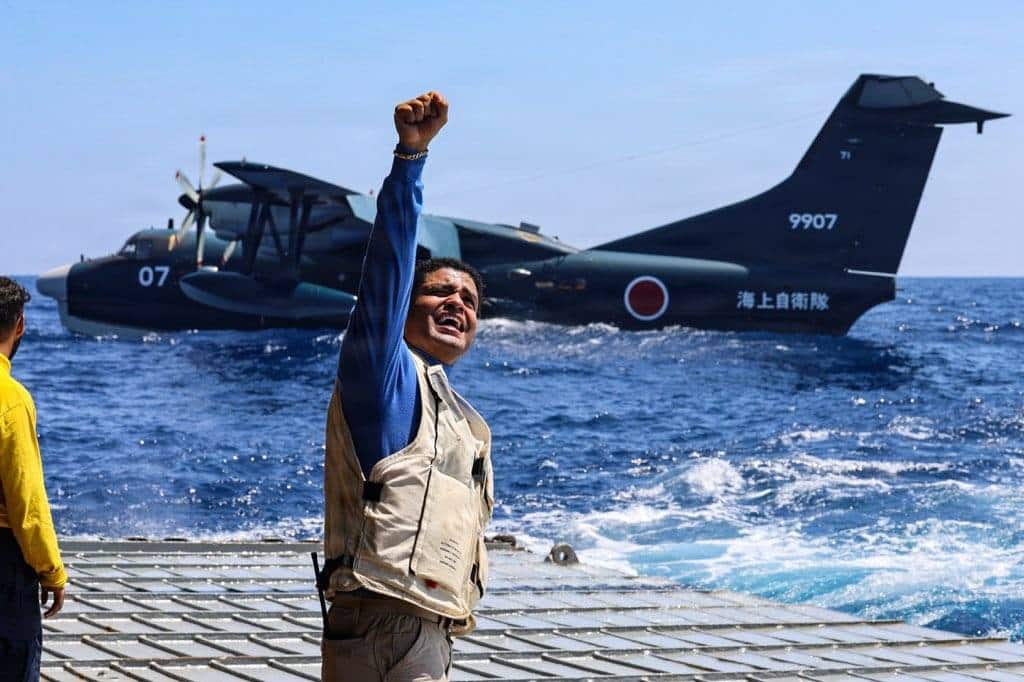
- USS Ashland and the JMSDF US‑2 conducted a joint casualty‑evacuation drill near Oyster Bay, Palawan on April 27, transferring crew by lifeboat to rehearse patient‑movement in realistic maritime conditions.
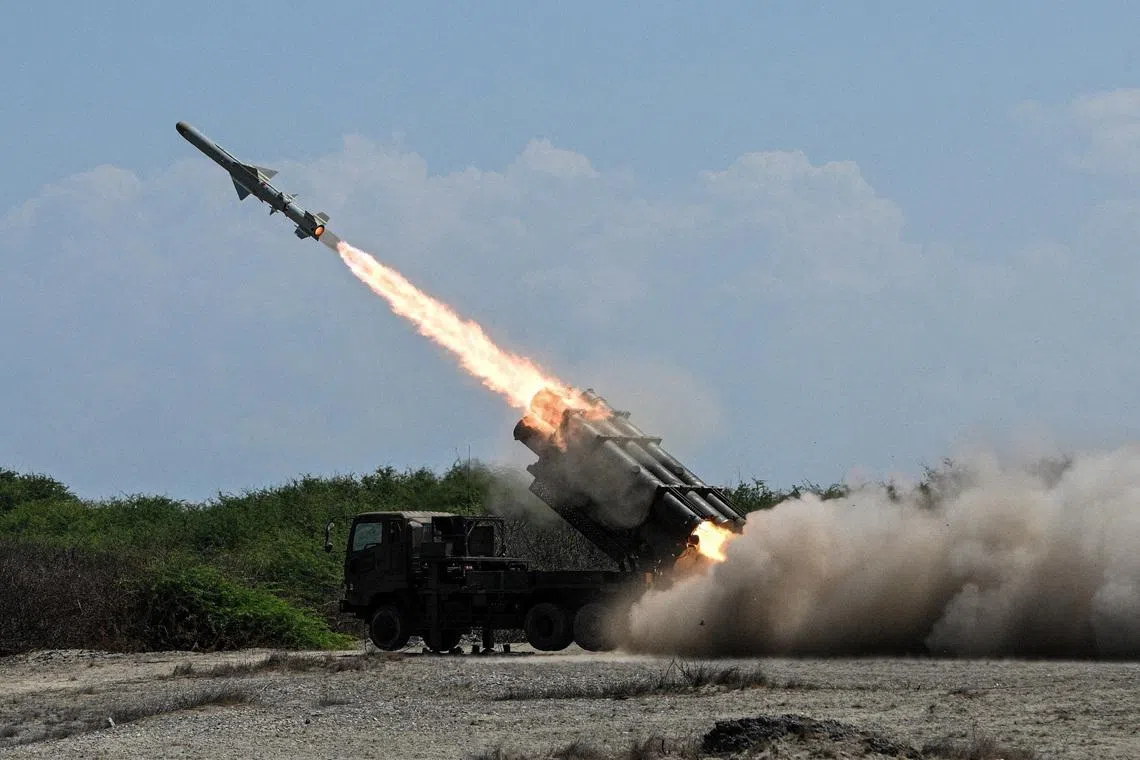
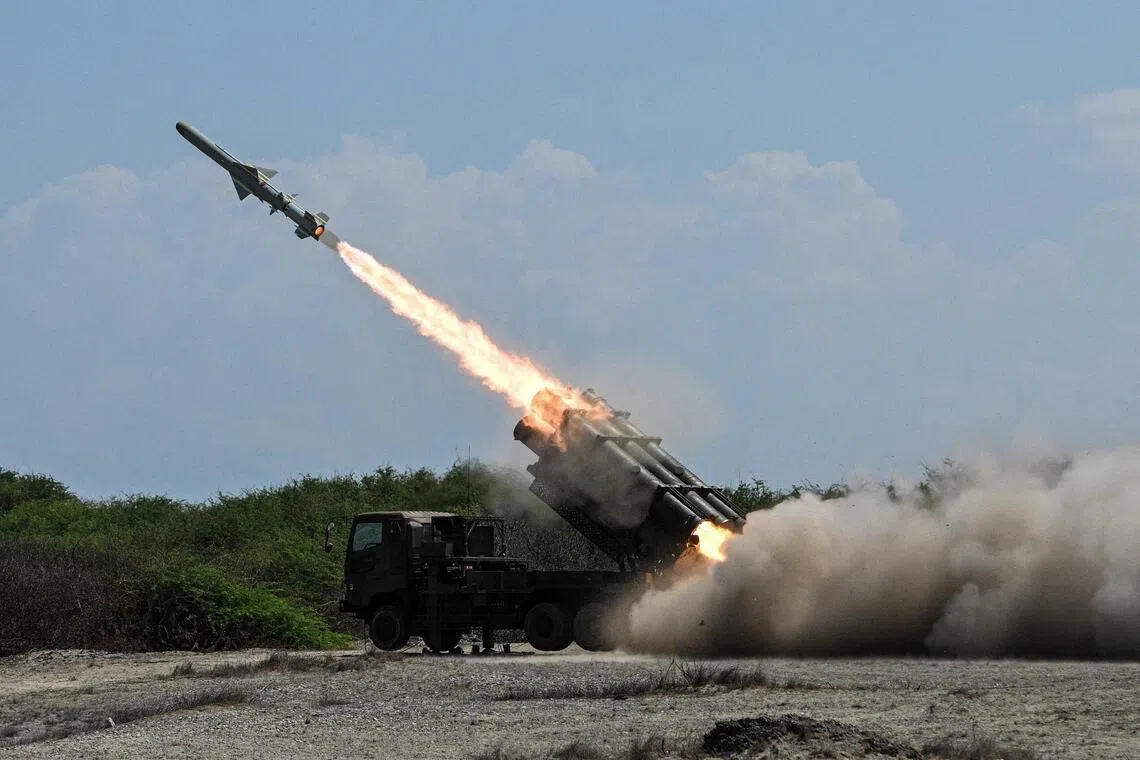
- Balikatan exercise, running April 20‑May 8, involved about 17,000 troops from the US, Japan, and allies, marking the largest and most expansive iteration to date, with Japan also fielding the helicopter destroyer JS Ise, landing ship JS Shimokita, destroyer JS Ikazuchi, C‑130H transports and Type 88 missiles.
Why it matters: Japan’s deployment of 1,400 troops and the US‑2 aircraft gives the US‑Philippines alliance a tangible amphibious boost, tightening the First Island Chain and curbing China’s freedom of maneuver in the South China Sea.
Ask SkimNews