Marcos asks Singapore to lead ASEAN digital pact rollout — SkimNews

Get the Geopolitics newsletter
Daily geopolitics — wars, elections, sanctions, the diplomatic moves that move markets. Free.
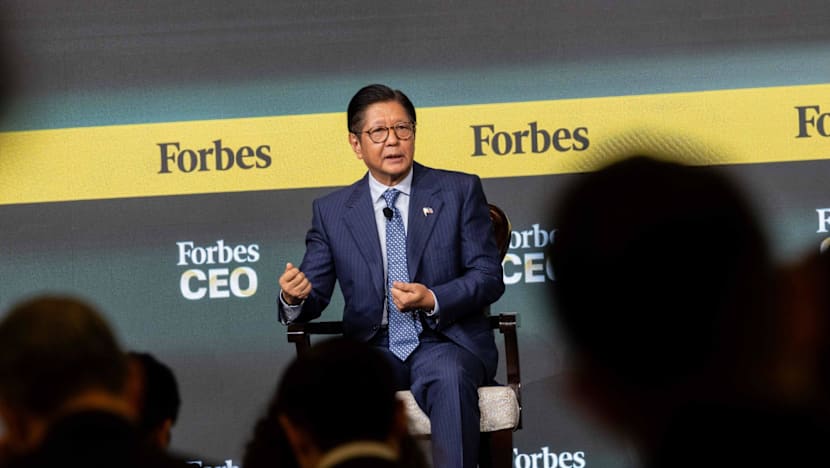
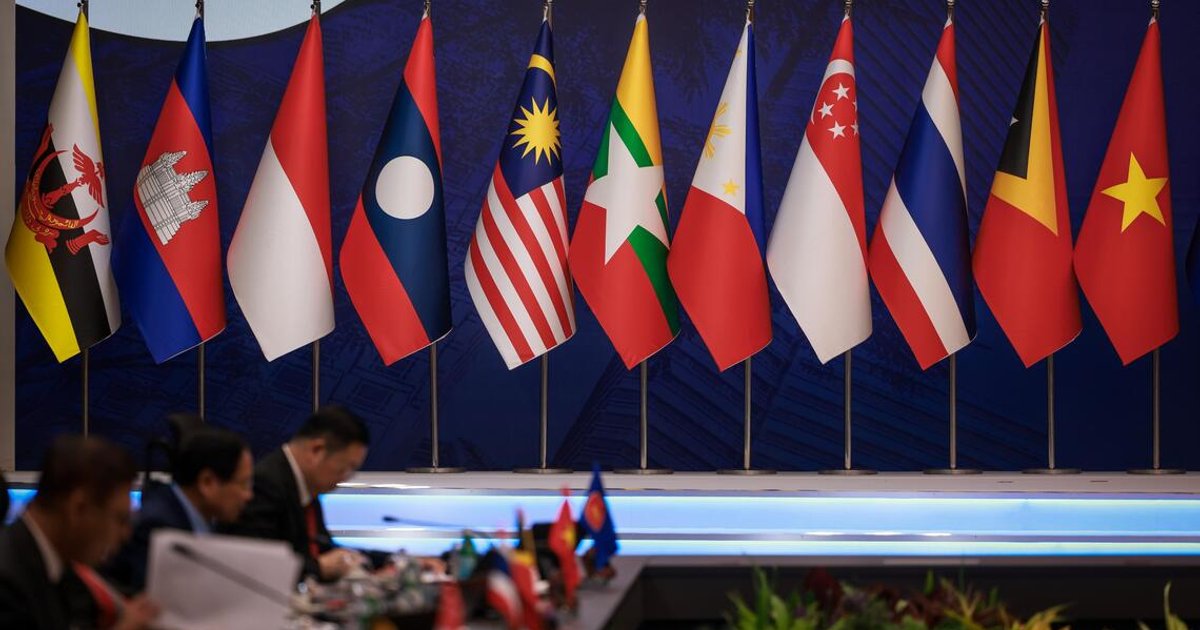
- Marcos said he is counting on Singapore to operationalize ASEAN's Digital Economy Framework Agreement (DEFA) when Singapore takes over the regional grouping's chairmanship in 2027, with artificial intelligence a key priority.
- The DEFA, expected to be formally signed in November under Manila's chairmanship, would establish common rules for digital trade, cross-border data flows, electronic payments and other digital economy aspects, Marcos told The Straits Times on Oct 8.
- Marcos acknowledged AI will inevitably reshape labor markets and put jobs at risk, calling for governments to invest in worker retraining and work with the private sector on training programmes — a concern he said hits the Philippines especially hard given its large overseas workforce.
- Singapore is the Philippines' second-largest foreign investor behind South Korea, and Marcos wants to deepen bilateral ties in AI, healthcare and digital infrastructure through partnerships that outlast his presidency ending in 2028.
- Marcos highlighted reforms to attract long-term foreign capital, including a 2025 law allowing 99-year land leases for foreign investors and a 2026 executive order permitting 100% foreign ownership in renewable energy, airports, railways, expressways and transport services.
- Marcos backed a potential ASEAN-European Union free trade agreement, saying the Philippines-EU trade pact signed in September could serve as a stepping stone to a broader region-to-region deal.
Why it matters: Marcos is explicitly handing Singapore the baton on ASEAN's most ambitious digital integration project, with a 2027 deadline and AI governance as the test case. With intra-ASEAN trade at roughly 24% of total trade and the Philippines' overseas workers especially exposed to AI-driven displacement, the pact's success or failure will shape whether Southeast Asia can build internal economic resilience amid US-China tech rivalry.
Ask SkimNews