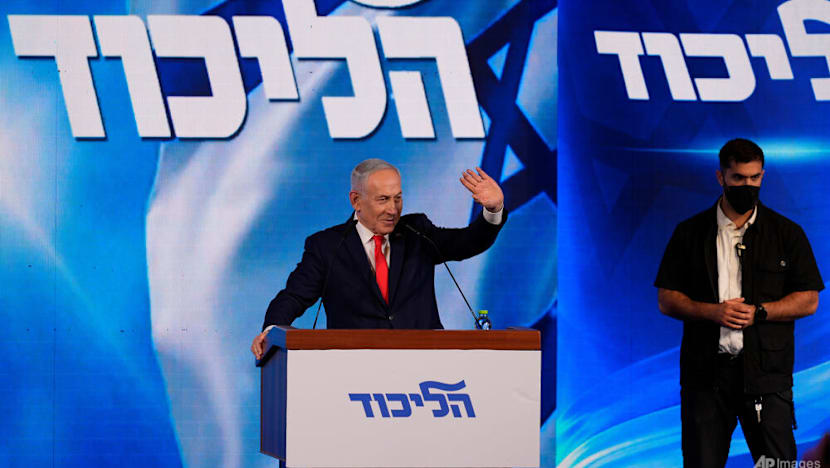
Netanyahu's bloc leading Israel election but short of majority, partial results show — SkimNews

Get the Geopolitics newsletter
Daily geopolitics — wars, elections, sanctions, the diplomatic moves that move markets. Free.
- Netanyahu's bloc is on track to win 53 seats in the 120-seat Knesset with 85% of votes counted, falling short of a majority despite outperforming exit polls.
- Gadi Eisenkot's opposition bloc is projected to secure 48 seats and claims a mandate for change, citing public rejection of Netanyahu's leadership after the 7 October attacks.
- Arab-led parties are set to win 19 seats — an unprecedented number — with the United Arab List and Joint List benefiting from a surge in Arab Israeli voter turnout.
- President Isaac Herzog will consult with all factions after official results are confirmed next week, then task a leader with forming a coalition, a process that could take weeks.
- Yair Golan urged opposition partners to consider partnering with Arab parties for a 'change government,' breaking from traditional reluctance due to political and ideological barriers.
- Itamar Ben-Gvir faces potential removal as National Security Minister, a key motivation for Arab voters who accuse him of racism and provocation against their communities.
Why it matters: Netanyahu’s failure to secure a majority despite leading means coalition negotiations will hinge on unprecedented Arab party influence, raising the stakes for Israel’s far-right agenda and military conscription reforms. With 430,000–480,000 absentee ballots pending, the final count could shift the balance, but either outcome risks political paralysis or another election.
Ask SkimNews