No clear winner in Israel election with nearly 90 percent of votes counted — SkimNews

Get the Geopolitics newsletter
Daily geopolitics — wars, elections, sanctions, the diplomatic moves that move markets. Free.
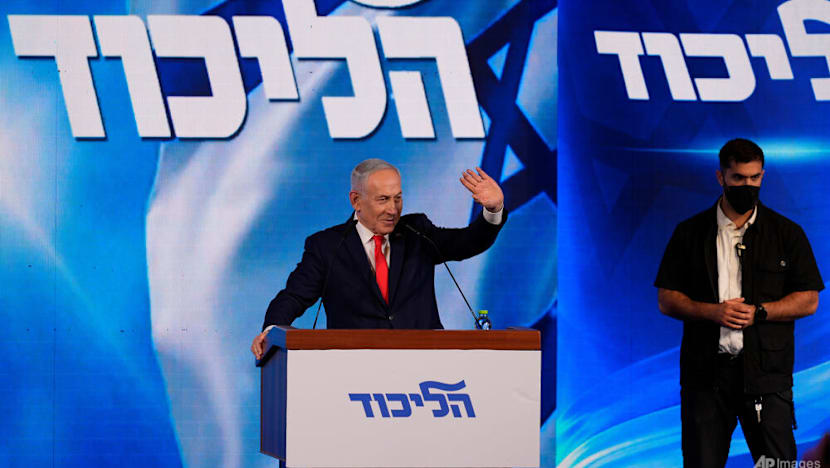
- Netanyahu's bloc is on course for 53 of the 120 Knesset seats and Eisenkot's opposition bloc for 48, with both short of the 61 needed to form a government; Netanyahu remains caretaker prime minister until a new government is formed.
- Central Elections Committee said it had counted more than five million votes by 9pm local time Wednesday, with more than 500,000 special double-envelope ballots from soldiers, diplomats and others voting away from their registered polling stations still uncounted and final results possible as early as Thursday evening.
- Joint List and Ra'am were projected to hold a record combined 19 seats, and the Joint List said preliminary figures showed Arab voter turnout played a decisive role in keeping Netanyahu's coalition short of a parliamentary majority; leader Jabareen said the alliance could back an anti-Netanyahu government from outside but would not join it.
- Likud accused Arab parties of stealing the election through bribery, threats, violence, forgeries and what it called prohibited software, saying it was transferring hundreds of testimonies to police, the Shin Bet and the Central Elections Committee.
- Herzog will begin consulting party leaders next week once official results are released, having urged parties to avoid another vote that would stall government formation; no Israeli party has ever won an outright majority.
- Eisenkot ruled out forming a minority government with Arab-led parties, a prospect Netanyahu also rejected, while analysts predicted a unity government including him; on X he said his alliance's task is bringing change and establishing a "Zionist mobilisation government."
- Israel held its first election since the October 7, 2023 attacks and the Gaza genocide, widely seen as a referendum on Netanyahu's premiership; the 77-year-old appeared far from defeated despite lacking a clear majority.
Why it matters: Neither bloc reaches the 61 seats needed to govern: Netanyahu holds 53 and stays caretaker prime minister pending coalition-building, while Eisenkot's 48-seat opposition has ruled out a minority government with Arab-led parties, a route Netanyahu also rejected, leaving Herzog's consultations with party leaders central to forming the next government.
Ask SkimNews