Kazakhstan, Iran Lock In INSTC Port Access at Astana

Get the Geopolitics newsletter
Daily geopolitics — wars, elections, sanctions, the diplomatic moves that move markets. Free.
- Kazakhstan and Iran met in Astana on June 16, 2026, with Iran allocating a plot at Shahid Rajaee Port in Bandar Abbas for a Kazakh logistics terminal and Kazakhstan offering Iran port space, berths, and terminals at its Caspian ports of Aktau and Kuryk; both reaffirmed a joint 20-million-tonne-per-year INSTC target.
- The INSTC eastern branch — running through Kazakhstan and Turkmenistan via the KTI railway inaugurated in December 2014 — is the corridor's only route with end-to-end railway connectivity, yet carried only 1.8-2 million tonnes in 2024, roughly 7-8% of the 26.9 million tonnes moved across the full INSTC.
- Bilateral trade between Kazakhstan and Iran collapsed to $165.2 million in 2023 under sanctions, recovered to $430.2 million in 2025 (+26.4%), then fell 29.9% to $90.8 million in January-March 2026 as the war disrupted flows.
- China-Iran rail freight via Kazakhstan went from just 7 trains over the prior seven years to 40 dispatched in 2025 alone; after the U.S. naval blockade of Iranian ports began in April 2026, service frequency rose from weekly to every 3-4 days and freight rates climbed roughly 40%.
- Russian Railways (RZD) concentrated its INSTC freight on the eastern branch — 66.8% in 2022, 99.1% in 2023, 78.3% in 2024 — but 98.9% of shipments move southbound, exposing a severe directional imbalance with thin return cargo.
- The western INSTC branch through Azerbaijan, which carries the largest volumes, still relies on road haulage across the 162-km Rasht-Astara gap; Russia and Iran formally agreed in February 2026 to build that missing rail link on a 48-month timeline, though implementation may be affected by the war.
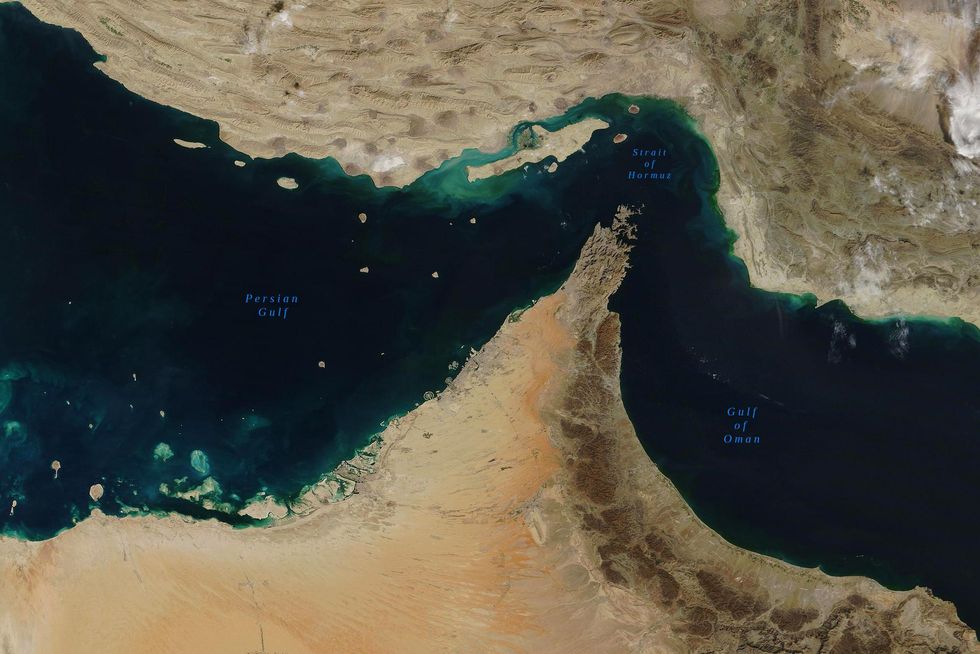
Why it matters: With the Strait of Hormuz closed since March 2026, the Kazakhstan-Turkmenistan-Iran railway has become a rare functioning overland bridge to the Persian Gulf, and the June port allocations formalize that role — but 98.9% southbound RZD traffic and a 29.9% drop in bilateral Kazakhstan-Iran trade show the transit gains are real yet deeply lopsided.
Ask SkimNews