Iran-US Talks End With $12B Asset Deal, 60-Day Oil Waiver — SkimNews

Get the Geopolitics newsletter
Daily geopolitics — wars, elections, sanctions, the diplomatic moves that move markets. Free.
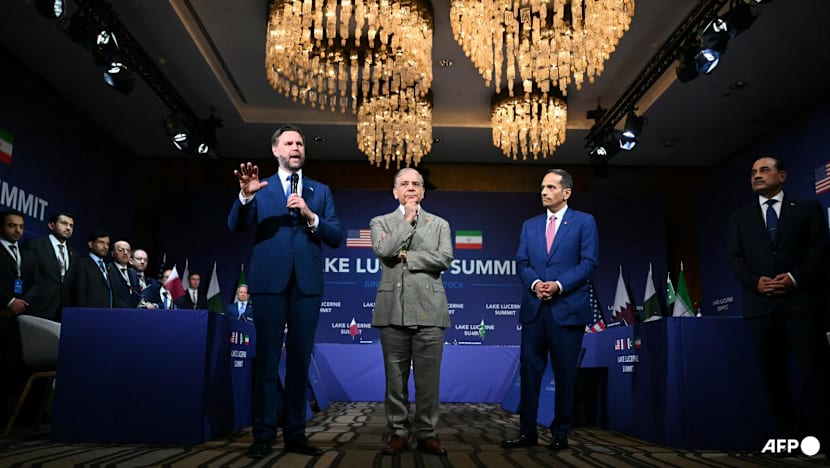
- Iran and the US concluded technical talks in Switzerland on June 23, 2026, with Deputy FM Kazem Gharibabadi announcing agreement on arrangements for future negotiations, including working groups and implementation mechanisms.
- Mohammad Ghalibaf, Iran's top negotiator and parliament speaker, said the two sides reached an agreement to release $12 billion in frozen Iranian assets, with Trump specifying the funds will be used to buy food exclusively from US farmers.
- The US Department of the Treasury announced a 60-day waiver allowing Iran to sell its oil and petrochemical products — a reversal of longstanding US sanctions policy, per Al Jazeera's Alan Fisher reporting from Washington.
- Tehran agreed to establish a line of communication with the US to ensure safe passage through the Strait of Hormuz, through which roughly a fifth of global energy exports transit.
- Ghalibaf said the administration of the Strait of Hormuz "will never return to the way it was before the war," signaling a permanent Iranian strategic gain from the conflict.
- The talks build on the Islamabad Memorandum of Understanding, a framework signed virtually by the US and Iranian presidents on June 17 to end the more than 100-day war.
Why it matters: The 60-day oil waiver reverses years of US sanctions on Iranian energy exports, letting Iran sell at full price rather than steep discounts — a policy reversal the source describes as "hugely significant." Meanwhile, the $12 billion in released assets is earmarked exclusively for US farm produce, making American agriculture a direct financial beneficiary of the diplomatic thaw.
Ask SkimNews