US and Iran conclude high-level talks in Switzerland, mediators say — SkimNews
Get the Geopolitics newsletter
Daily geopolitics — wars, elections, sanctions, the diplomatic moves that move markets. Free.
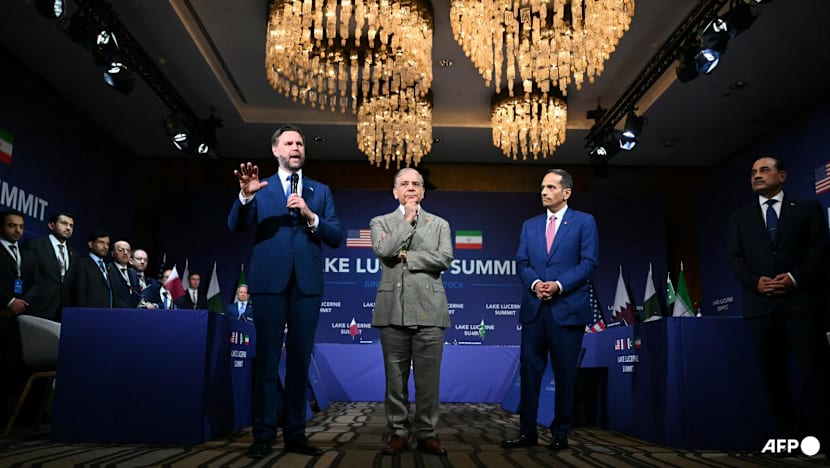
- Iran and the US concluded their first round of high-level talks in Buergenstock, Switzerland on Monday (Jun 22), with mediating nations Qatar and Pakistan issuing a joint statement announcing a 60-day roadmap to a final deal.
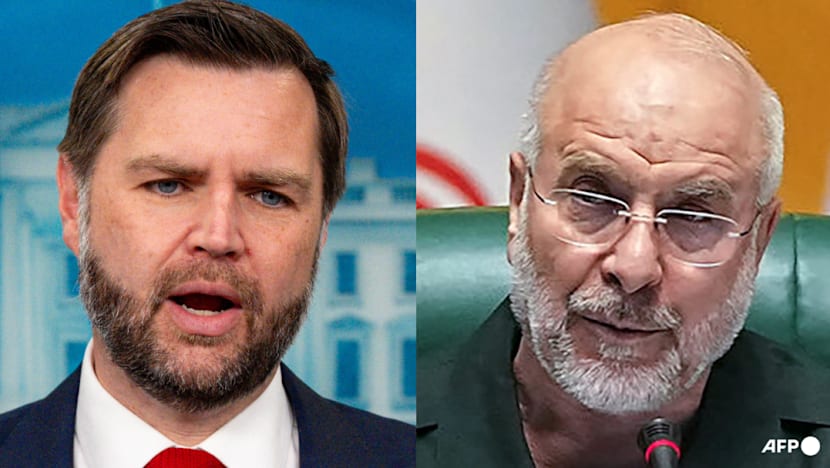
- US Vice President JD Vance led the American delegation, building on a memorandum of understanding signed the previous week to extend an April ceasefire for at least 60 more days; technical talks continue through the week at the Qatari-owned resort.
- The parties agreed to create a Lebanon de-confliction cell and opened a communication line to ensure safe passage for commercial vessels through the Strait of Hormuz, which Iran had closed again Saturday over Israeli strikes on Lebanon.
- Iranian Foreign Minister Abbas Araghchi claimed on X that Iran secured oil and petrochemical export waivers, the release of some frozen assets, and a major reconstruction plan — but the joint statement did not mention any asset unfreezing.
- President Donald Trump told Iranian officials "you won't have a country" if they closed the strait again, and reiterated threats to take over the waterway and charge tolls.
- Tasnim, Iran's state-linked news agency, reported the Iranian delegation refused to return to the room after Trump's threats became public; a US diplomat directly contradicted that, telling Reuters "The Iranians never left and are still here meeting and negotiating deep into the night."
- Brent crude dropped more than US$1 to US$79.44 a barrel after the joint statement; the war began Feb 28 with US-Israeli attacks on Iran, and the strait's near-four-month closure caused the biggest disruption of global energy supplies in history.
Why it matters: Brent crude fell more than $1 to $79.44 after the joint statement, and the 60-day roadmap marks the most detailed diplomatic framework of the war that began Feb 28. Contradictory accounts from Iran's Tasnim and a US diplomat over whether Tehran's delegation walked out, plus Araghchi's unverified asset-release claims, point to a fragile foundation.
Ask SkimNews