Sanctioned Tankers Carry South Korean Fuel to Russia — SkimNews

Get the Geopolitics newsletter
Daily geopolitics — wars, elections, sanctions, the diplomatic moves that move markets. Free.
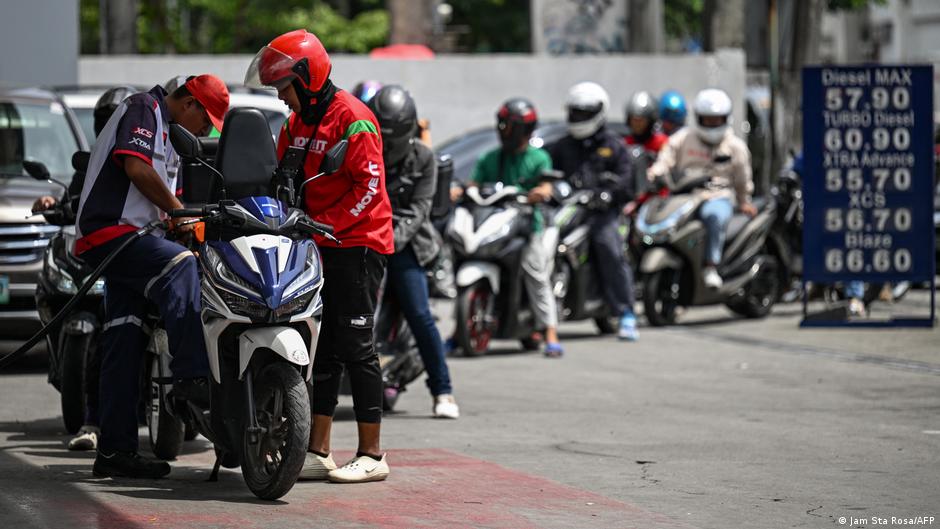
- Seven tankers carried 176,000 tonnes of fuel — mostly diesel — from South Korean ports to Russia's far east across 14 voyages in July and August, with three of the vessels under UK and EU sanctions and one taking on its cargo via a ship-to-ship transfer in South Korean waters.
- Rosneft, Russia's state-controlled oil company sanctioned by the UK, US, EU and Australia, was among the buyers identified in Kpler maritime data, alongside NNK, whose owner Eduard Khudainatov and unit NNK-Oil are under UK sanctions.
- Russia's refining capacity has collapsed under Ukrainian drone strikes, with throughput falling in June to its lowest level in more than 20 years and diesel output down nearly 30% year-over-year per the IEA — driving Moscow to import 368,000 tonnes of oil products by sea in August, more than seven times July's total.
- The shipments don't appear to breach South Korean law, since Seoul's measures against Russia rely on export controls on goods like industrial machinery, electronics and vehicles; South Korea's foreign ministry declined to specifically address the tanker voyages or the sanctioned vessels.
- Fuel loadings at South Korean ports surged in July, just as President Lee Jae Myung pledged $100m for Ukraine's reconstruction at a NATO summit in Turkey, and the UK in October temporarily exempted South Korea's existing gas contracts from a ban on Russian LNG maritime services that takes effect in January 2027.
- The sanctioned Layla — the largest carrier — made two voyages from Ulsan to Vladivostok carrying 57,000 tonnes of diesel, declaring Vladivostok as its destination on the first trip and Niigata, Japan on the second.
Why it matters: Seoul shipped 176,000 tonnes of fuel to Russia in two months on UK/EU-sanctioned vessels without breaking its own laws, exposing how South Korea's export-control approach — focused on goods rather than refined products — lets Moscow replenish refining capacity degraded 30% by Ukrainian drone strikes, and undermining Seoul's $2.3bn Ukraine support pledge.
Ask SkimNews