Cambridge Scientists Explain Why Opposite Obesity Drugs Both Work — SkimNews

SkimNews Take
Because opposite interventions converge on weight loss through separate brain regions, the circuitry appears redundantly organized — implying that monotherapies targeting either pathway alone may eventually be defeated by compensatory shifts to the other.
Get the Health newsletter
Daily health & science — research, biotech, public health, the studies worth knowing. Free.
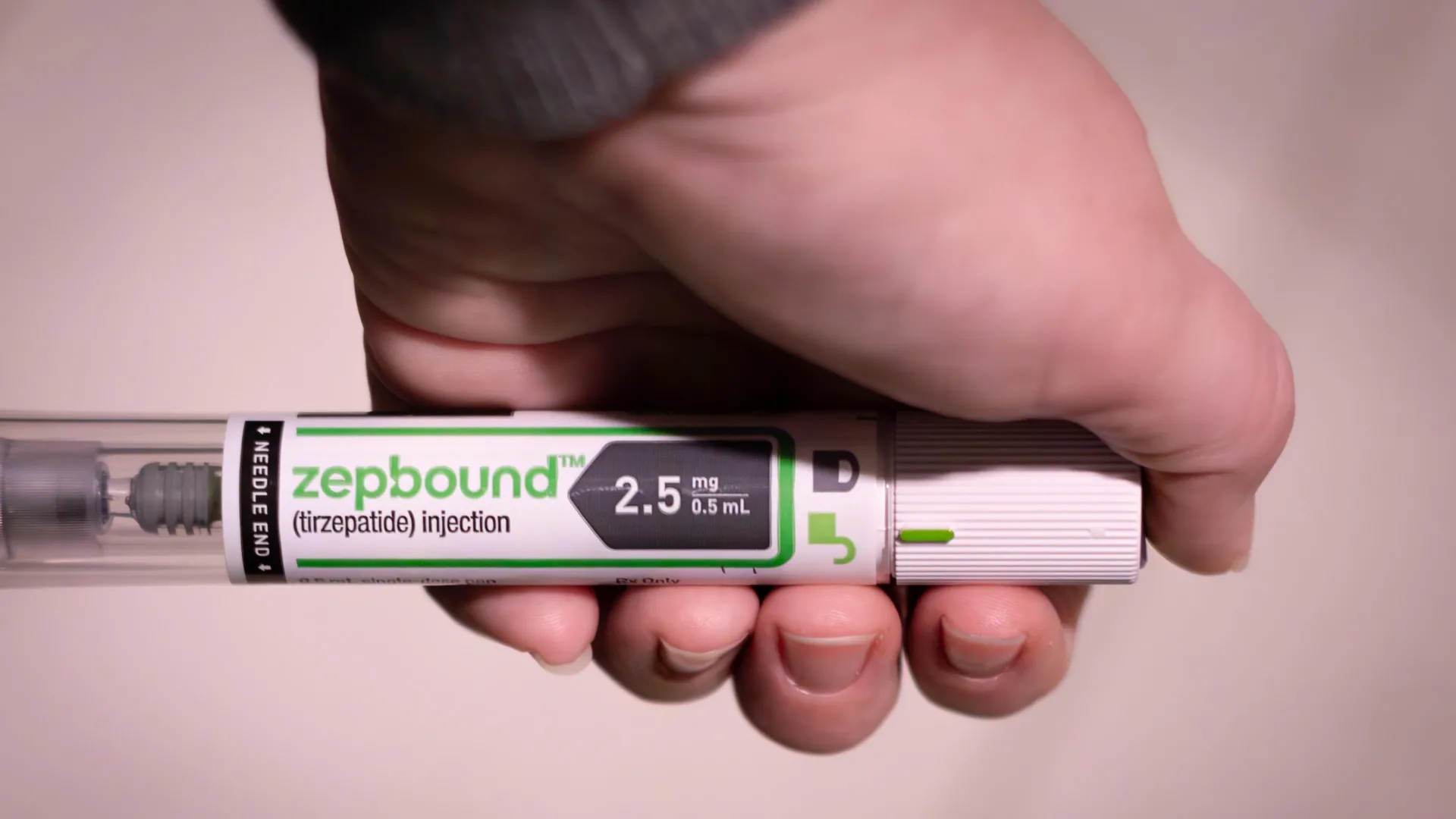
- University of Cambridge researchers published in Nature Metabolism a mouse study explaining why both GIPR-activating drugs (like Mounjaro and Zepbound) and GIPR-blocking drugs (like MariTide) promote weight loss despite acting oppositely on the same receptor.
- GIPR agonists were shown to work primarily through the brainstem, where activating the receptor reduced appetite and led to lower body weight in mice.
- GIPR antagonists instead work through the hypothalamus, where blocking the receptor releases a 'brake' that normally limits how strongly the brainstem responds to fullness signals.
- Genetically engineered mice with GIPR selectively removed from specific brain regions (brainstem vs. hypothalamus) were used to pinpoint where each drug type acts.
- MariTide, currently in phase 3 clinical trials, combines GIPR antagonism with GLP-1 receptor agonism — a pairing the researchers say the new findings help explain and could optimize.
- GIPR blockade also showed potential to enhance the effects of emerging amylin receptor-targeting obesity medicines, suggesting a wider role for GIPR antagonists in combination therapies.
- Dr. Jo Lewis, first author from Cambridge's Institute of Metabolic Science, said the work 'strengthens the idea that the brain is central to obesity treatment,' with drugs acting on 'specific, identifiable brain circuits that regulate appetite and food intake.'
Why it matters: More than a billion people globally live with obesity, and existing GLP-1 drugs like Wegovy produce meaningful but limited weight loss. By mapping which brain circuits each GIPR approach activates, the Cambridge team gives drug designers a mechanistic roadmap for pairing GLP-1 drugs with either GIPR agonists or antagonists — potentially yielding more effective combination obesity treatments currently backed by phase 3 trials like MariTide.
Ask SkimNews