The Turkish toll template that Iran is replicating in Strait of Hormuz — SkimNews
Get the Geopolitics newsletter
Daily geopolitics — wars, elections, sanctions, the diplomatic moves that move markets. Free.
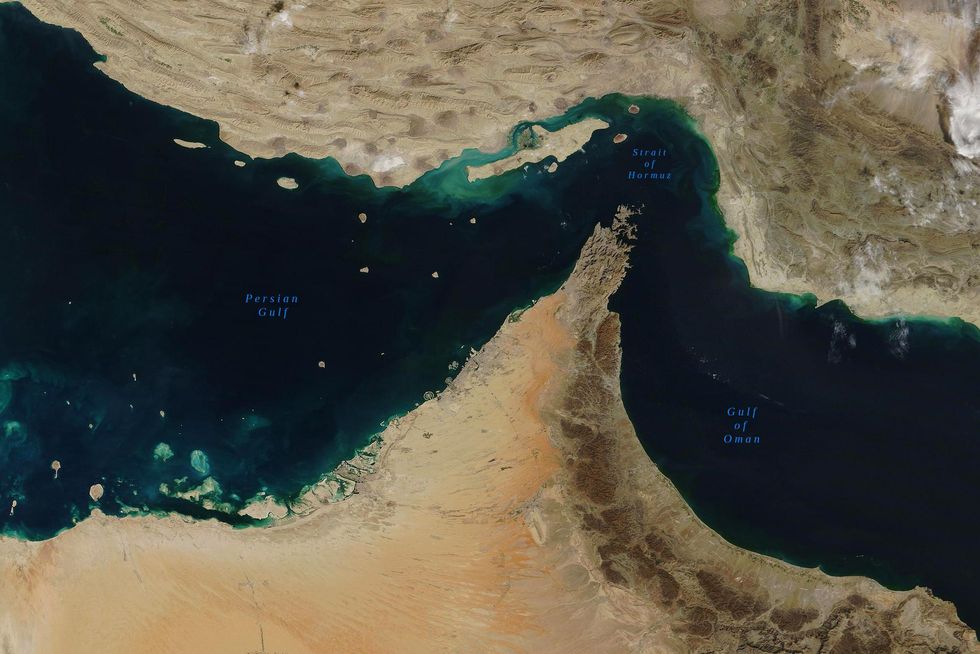
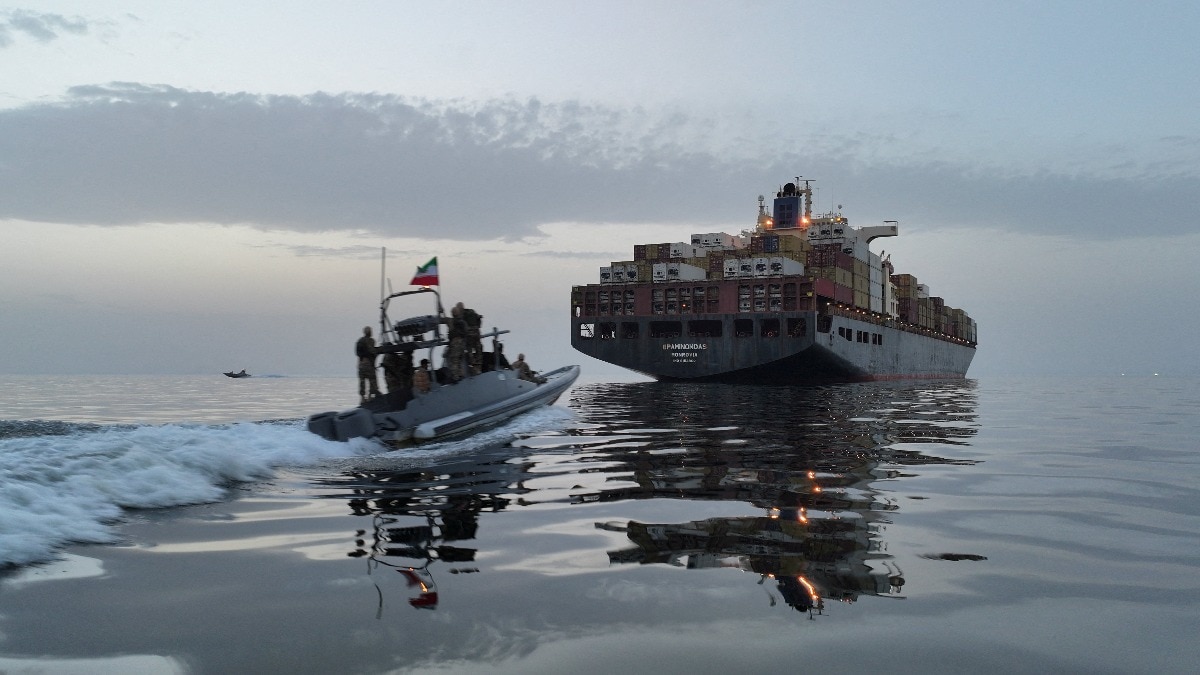
- Iran has established the Persian Gulf Strait Authority (PGSA) requiring all vessels to obtain prior authorization, submit ownership/cargo/crew documentation, and follow a tightly controlled northern corridor near Larak Island enforced by the IRGC.
- The US-Iran 60-day Memorandum of Understanding permitted ships to pass 'with no charge for 60 days only,' and Iranian Parliament Speaker Mohammad Bagher Ghalibaf declared that 'management of the strait will never return to the way it was before.'
- Iran's plan replicates Turkey's Montreux Convention straits model but targets $40-80 billion a year — up to 90 times the roughly $254 million Turkey collects from the Bosphorus and Dardanelles at $6.70 per net ton.
- Oman refused to join Iran's proposed joint framework, and Omani delegate Khamis bin Mohammed Al Shamakhi told the IMO that the right of transit passage 'does not support the imposition of transit tolls.'
- US Secretary of State Marco Rubio declared in Bahrain that 'no country on earth has the right to charge for the use of international waterways,' while Trump briefly floated a 20% US 'Reimbursement Fee' on Hormuz cargo before walking it back 24 hours later.
- The 60-day truce is fraying amid resumed US-Iran missile exchanges, with Washington reimposing a naval blockade on Iranian ports; the Strait carries roughly a quarter of global seaborne crude oil and a fifth of LNG shipments.
Why it matters: Iran's $40-80 billion toll target is up to 90 times Turkey's straits earnings and would violate UNCLOS transit passage guarantees that Oman and the US are already citing against Tehran. If Iran normalizes tolling a natural international waterway, the Houthis at Bab el-Mandeb and other chokepoint states gain a legal template.
Ask SkimNews