Dormant breast cancer cells found hiding behind immune shields — SkimNews
Get the Health newsletter
Daily health & science — research, biotech, public health, the studies worth knowing. Free.
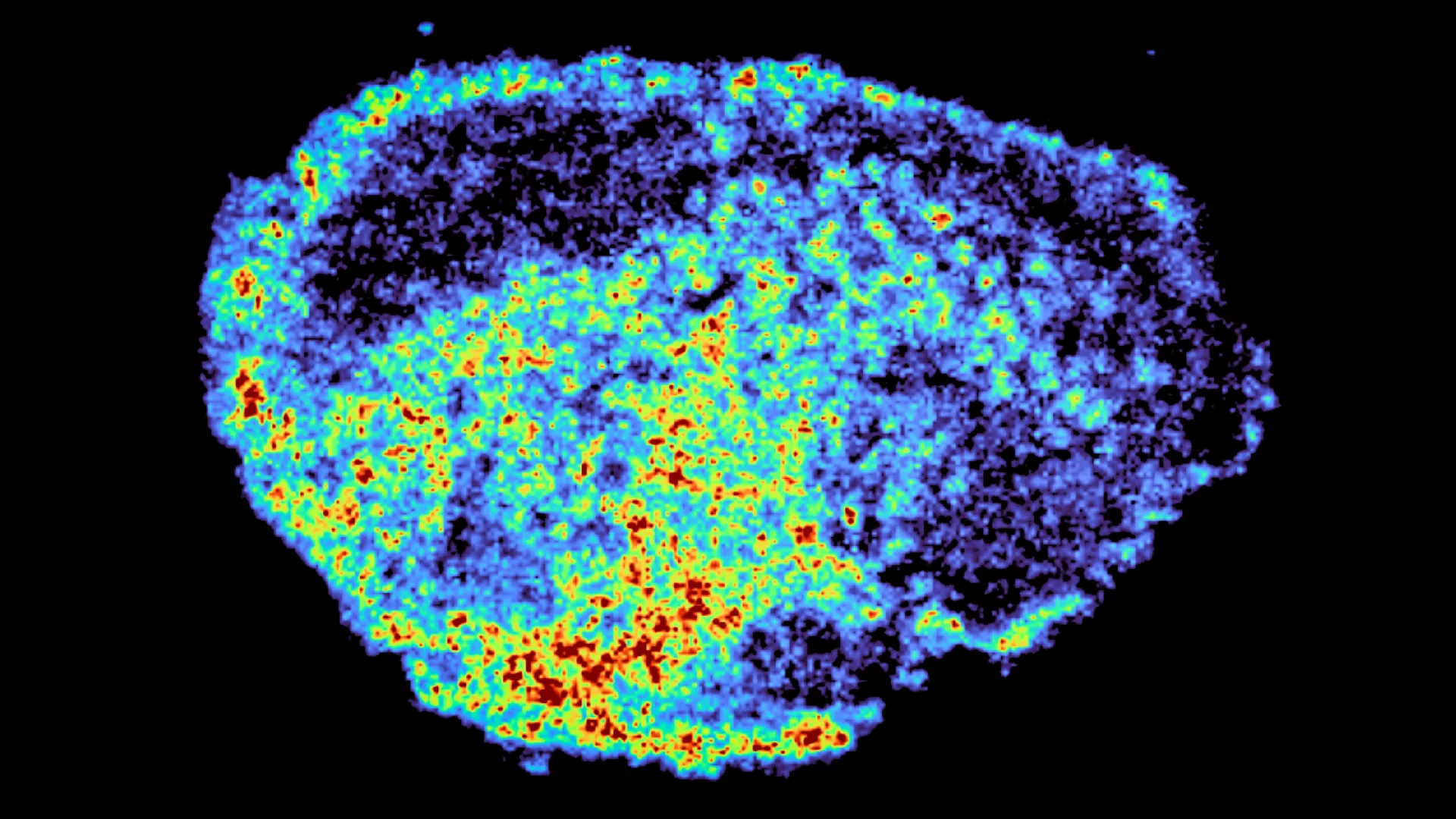
- Researchers from the MRC Laboratory of Medical Sciences, Imperial College London, and the UCL Genetics Institute built detailed maps of breast tumors, published September 6, 2026 in the journal Genome Medicine.
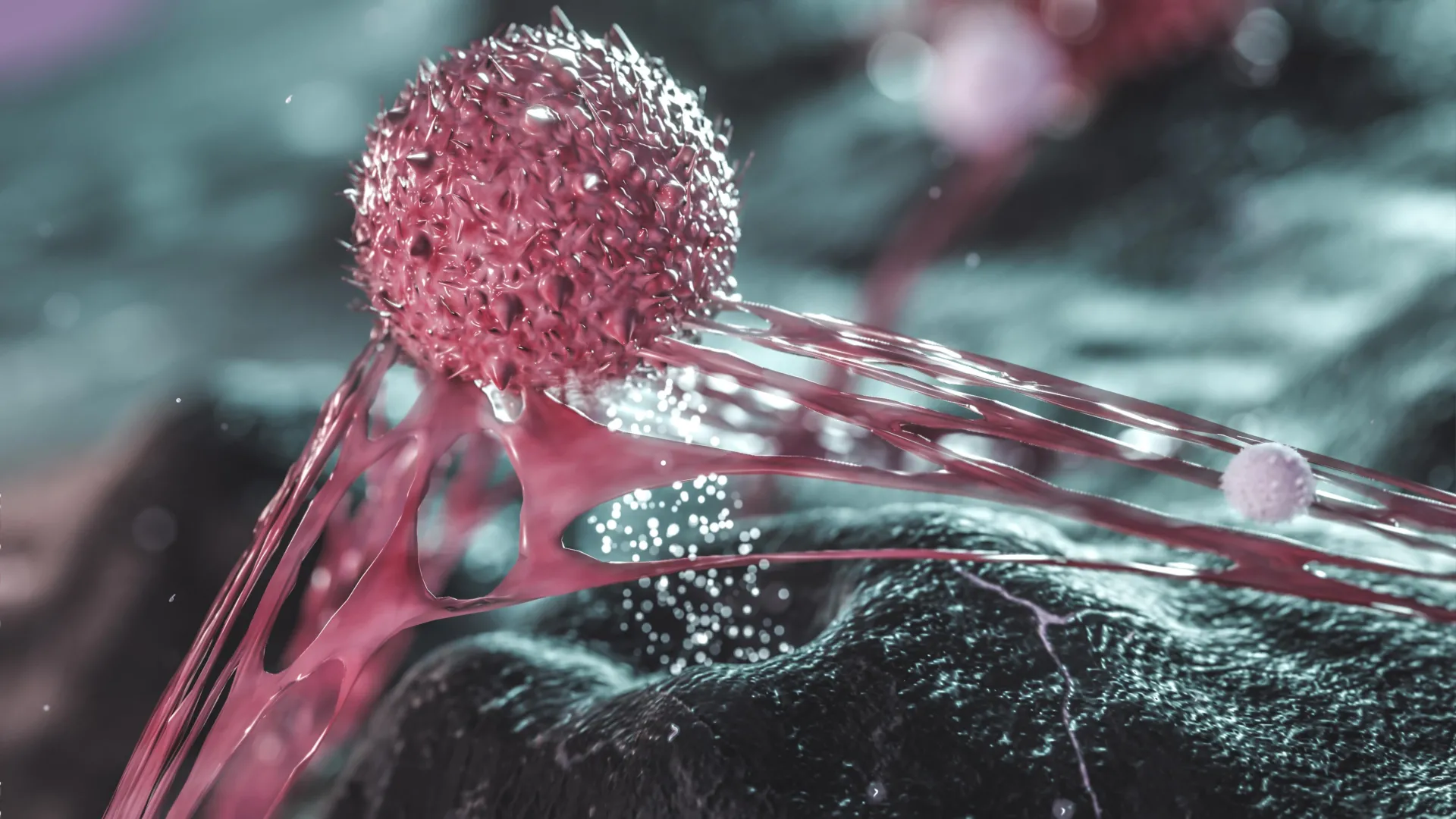
- The team found distinct clusters of dormant ("quiescent") cancer cells frequently surrounded by CXCL10-positive macrophages and myofibroblastic cancer-associated fibroblasts — cell types that may act as protective biological shields against treatment.
- Dr. Alexis Barr, head of the Cell Cycle Control group at the LMS, called dormant cancer cells "very dangerous," explaining they can hide from chemotherapy and later reactivate to drive tumor proliferation.
- The study found that molecular features associated with treatment resistance already exist inside tumors before any therapy is given — not only as a response to treatment, according to co-lead author Dr. Maria Secrier of UCL.
- The pattern appeared in both aggressive and slower-developing forms of breast cancer, an unexpected result since quiescence had previously been linked mainly with slower-growing disease.
- Researchers detected heightened activity in the complement immune pathway inside dormant cell niches, raising the possibility that targeting that pathway could make sheltered cells vulnerable.
- The work was primarily funded by a UKRI Future Leaders Fellowship, the Medical Research Council, and the Biotechnology and Biological Sciences Research Council.
Why it matters: Standard chemotherapy targets fast-dividing cells, yet this study shows dormant cells with therapy-resistance signatures already exist in untreated tumors, wrapped in immune-cell shields — meaning future drug combinations will likely need to simultaneously attack active and dormant tumor regions to prevent relapse.
Ask SkimNews