Black and green rice contain unique beneficial fats, study finds — SkimNews
Get the Health newsletter
Daily health & science — research, biotech, public health, the studies worth knowing. Free.
- Hokkaido University researchers analyzed 56 japonica rice cultivars and identified 196 different lipid molecules spanning five major groups, publishing the findings in Food Research International.
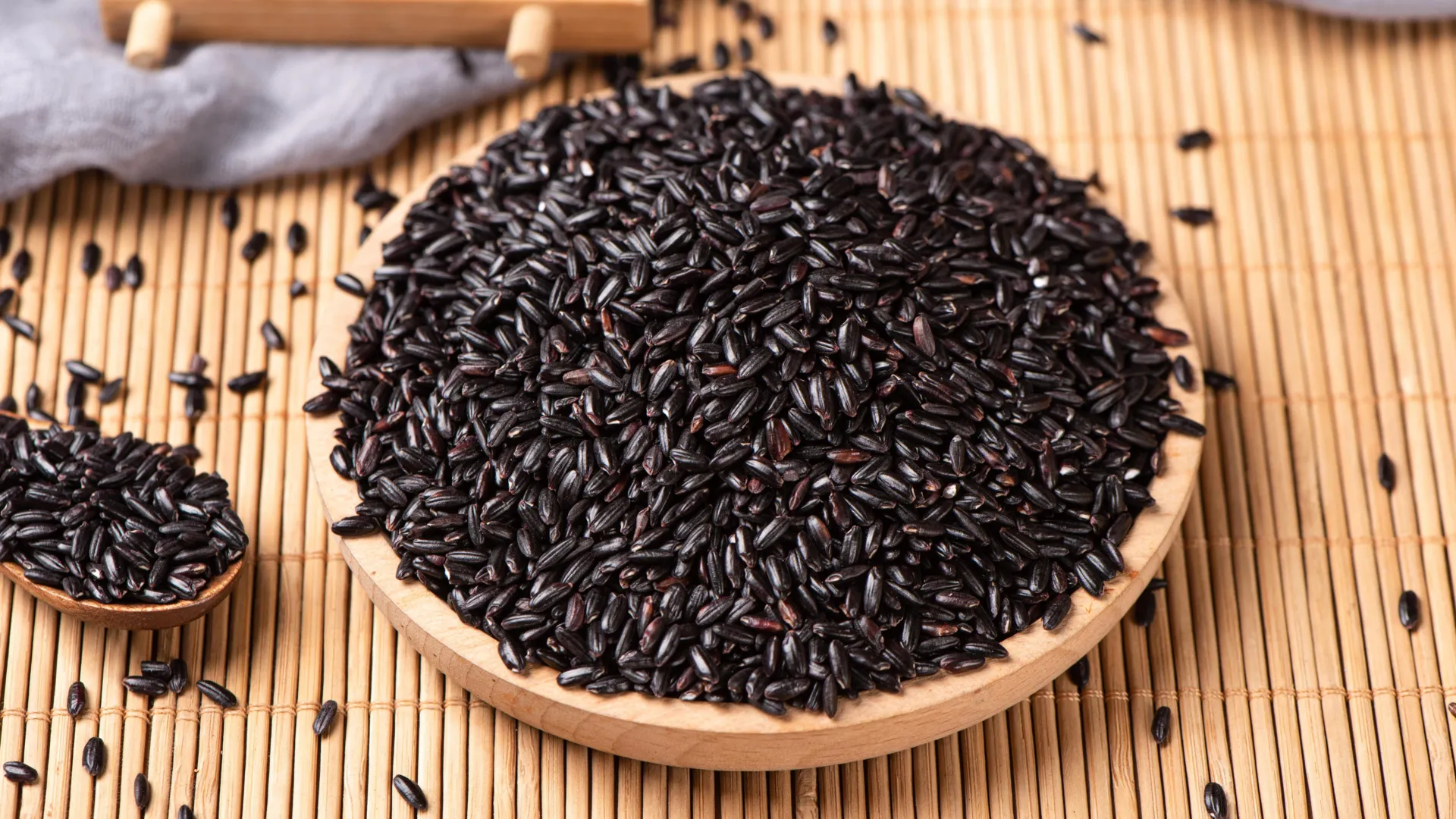
- Black and green japonica rice scored higher on the researchers' health-promotion index due to distinctive lipid profiles containing compounds called FAHMFAs — detected in rice for the first time — and LNAPEs, both previously associated with anti-inflammatory activity and improved metabolic health.
- Black and green japonica rice produced a slower rise in blood sugar than typical white rice in laboratory digestion tests, suggesting its starch is broken down more gradually than white rice's.
- Liquid chromatography and mass spectrometry enabled the team to map fats across 56 cultivars — a first-of-its-kind detailed analysis for japonica rice, which represents about 15% of rice consumption worldwide.
- Lead author Associate Professor Siddabasave Gowda said the findings could support development of new 'functional' rice products to better manage diabetes and other lifestyle-related diseases.
- Gowda's broader research group has previously identified novel bioactive lipids in Japanese dietary fish, herbal teas, and seaweeds, as part of an effort to map Japan's underexplored lipid-rich food resources.
Why it matters: The study delivers the first detailed lipid map of japonica rice and the first detection of FAHMFAs in the grain, spotlighting black and green pigmented varieties as candidates for functional foods aimed at blood sugar management — directly relevant for the more than half of the world's population that depends on rice as a dietary staple and faces rising rates of type 2 diabetes and metabolic disease.
Ask SkimNews