North Sea Oil Output to Fall to 15% of Peak by 2030 — SkimNews

Get the Energy newsletter
Daily energy & climate — solar, EVs, oil, the policy fights and tech bets shaping the transition. Free.
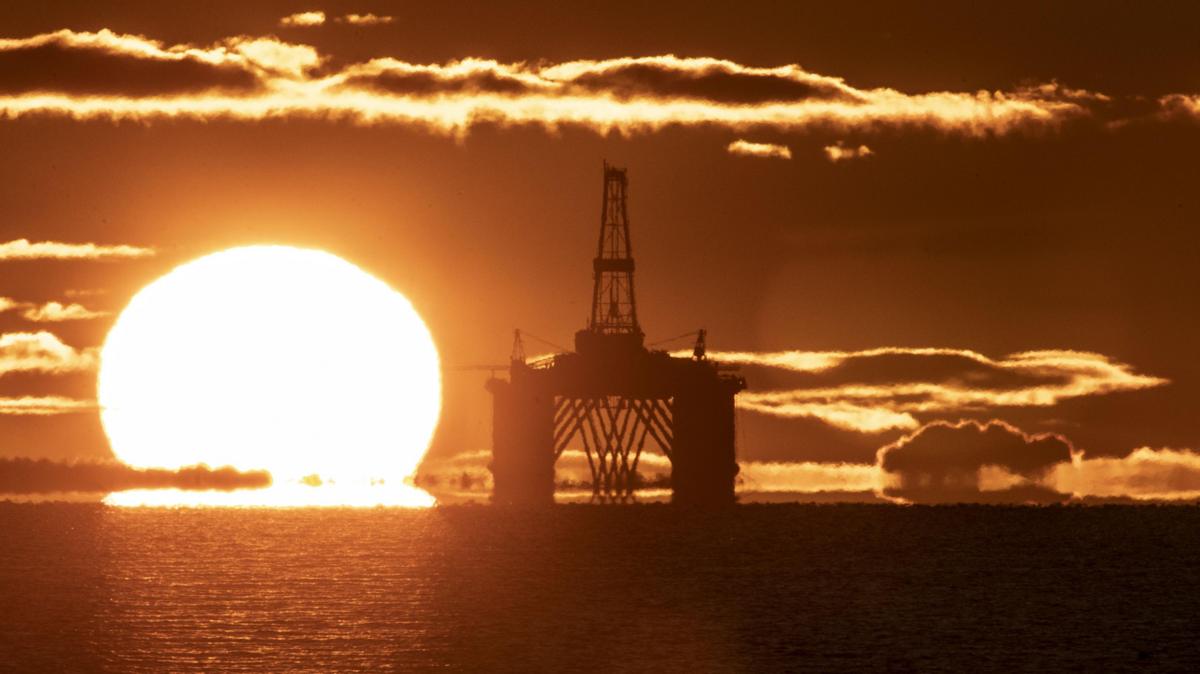
- North Sea oil output peaked at 4.4m barrels of oil equivalent a day at the turn of the century but will produce just 15% of peak by 2030, with direct employment collapsing from ~120,000 during the boom years to ~27,000 today.
- BP announced its exit this summer after six decades in the basin, while broader oil and gas industry employment halved from 441,000 to 214,000 in the last decade despite governments issuing hundreds of new licences across six licensing rounds.
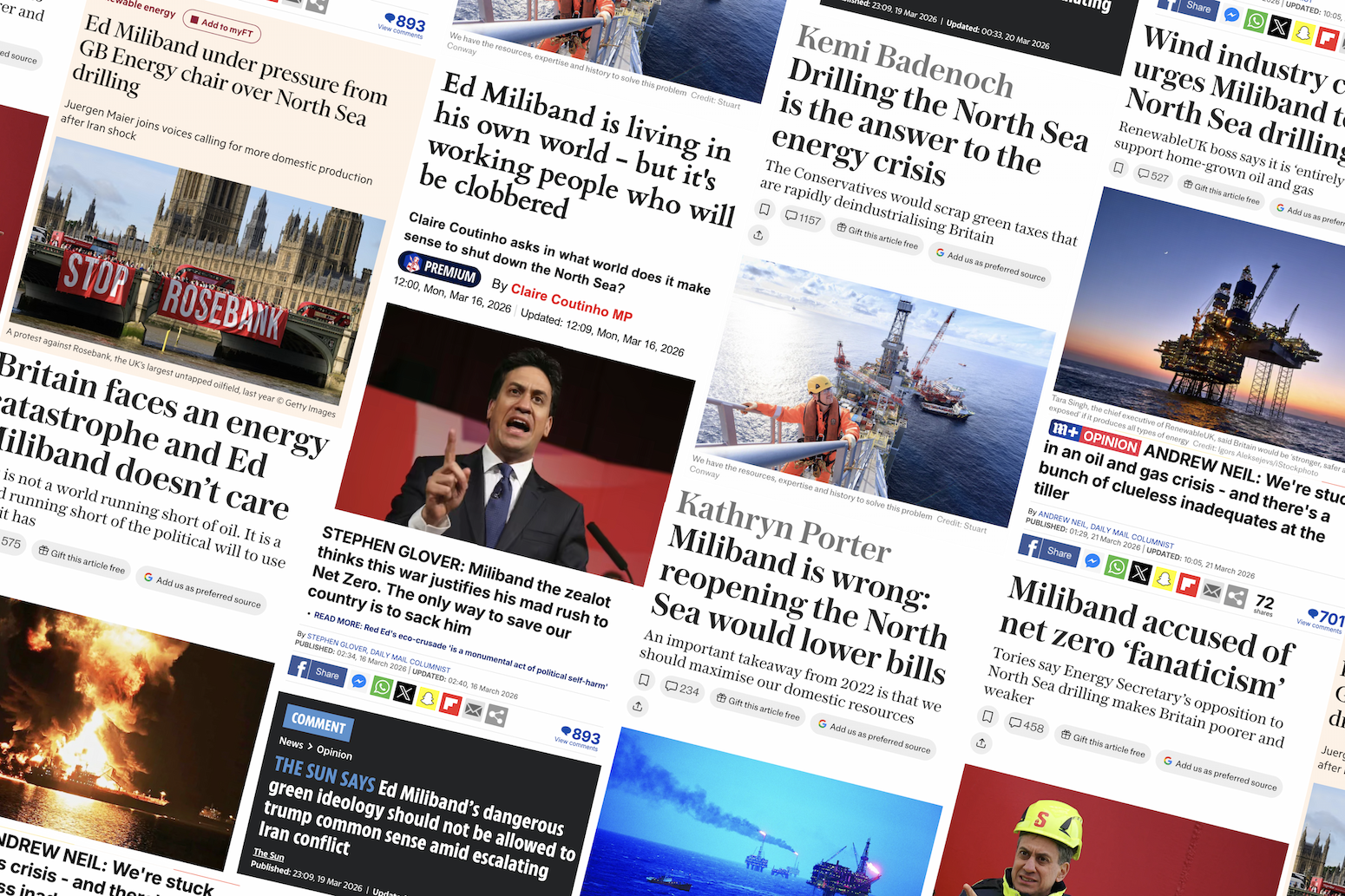
- Nigel Farage, Kemi Badenoch, and Donald Trump have all pushed for expanded drilling, with Trump claiming the basin holds "500 years of oil and gas reserves left" — a figure UCL's Steve Pye and other geologists said has no basis.
- A Carbon Brief study found new wind and solar from the latest UK government auction would generate six times more electricity by 2030 than new drilling licences, and that new licences would only marginally slow gas extraction's decline (97% drop by 2050 versus 99% without).
- Andy Burnham, now prime minister, has spooked climate campaigners by declaring a "pragmatic" approach to North Sea drilling, despite backing the fossil fuel treaty as mayor of Greater Manchester — and energy secretary Miatta Fahnbulleh has echoed similar pragmatism.
- Energy experts noted prices are set globally and most remaining North Sea oil is exported for refining, meaning expanded drilling would not lower UK bills or improve energy security, while fossil fuel companies booked a record $93bn profit in the three months to June.
Why it matters: The economic case for more drilling has collapsed on the data — even with hundreds of licences issued, jobs halved and gas output is projected to drop 97-99% by 2050 regardless of new permits, while wind and solar would deliver six times more electricity. Yet with Reform, the Conservatives, and Trump publicly pushing expansion and PM Burnham now signalling pragmatism, the imminent decisions on the Jackdaw and Rosebank field projects are the immediate test of whether Labour's 2024 "no new licences" pledge holds.
Ask SkimNews