Lockheed, Raytheon Slow Ukraine Patriot Production Deal
Get the Geopolitics newsletter
Daily geopolitics — wars, elections, sanctions, the diplomatic moves that move markets. Free.
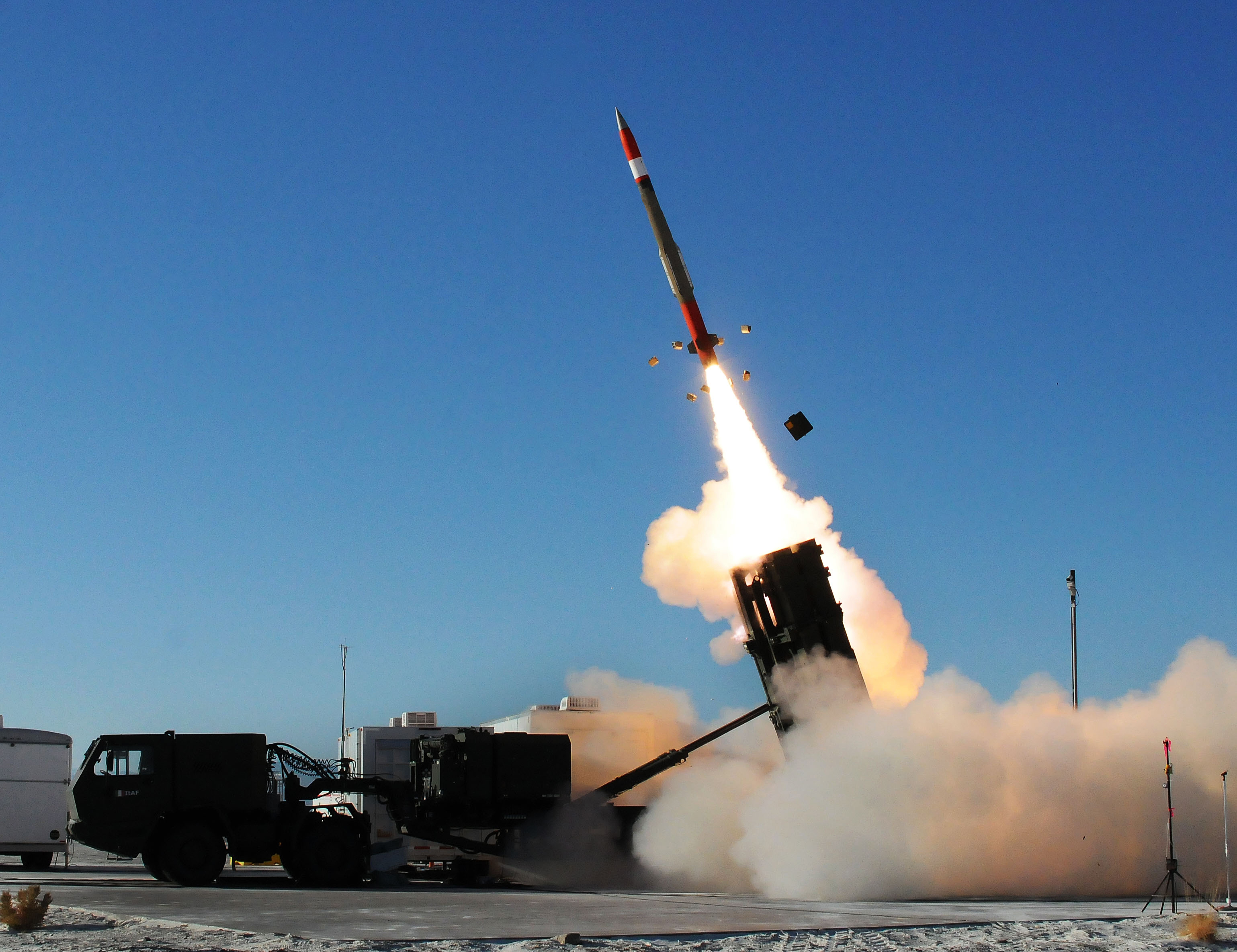
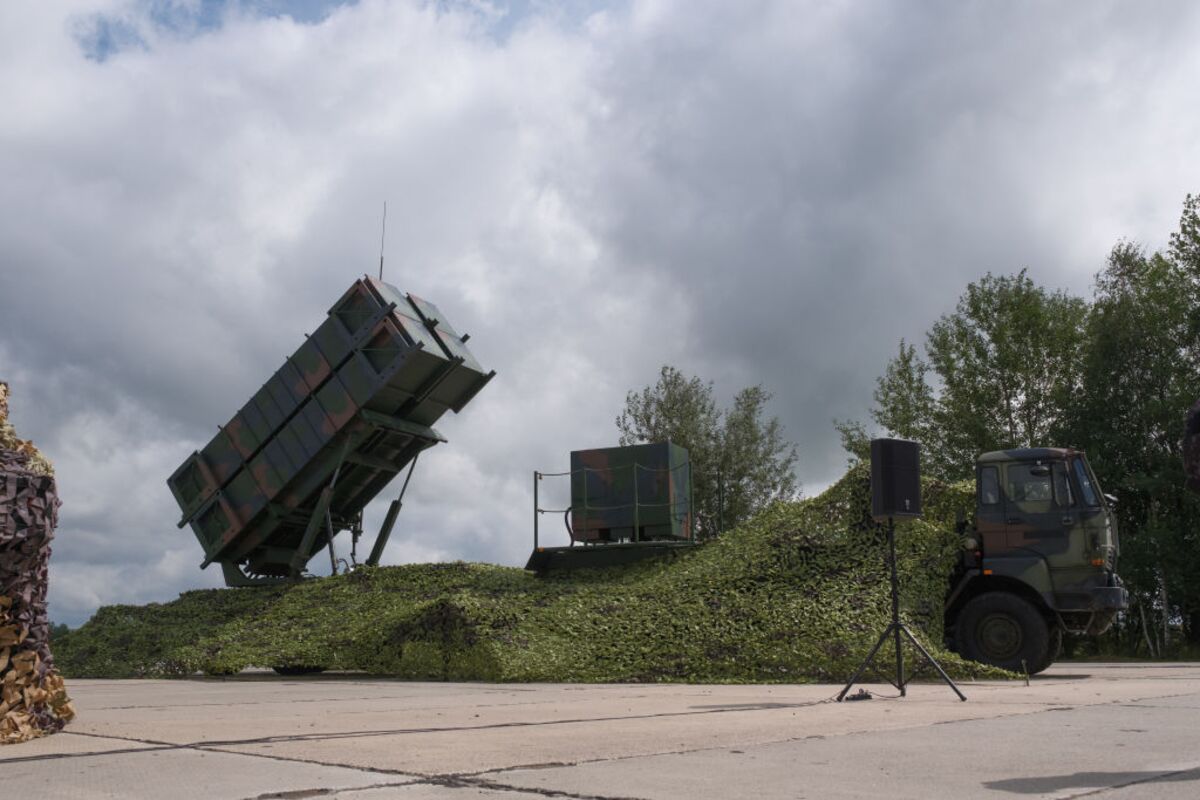
- Lockheed Martin and Raytheon are putting the brakes on a joint-production deal to license Patriot interceptors to Ukraine, with executives telling reporters at Farnborough that talks are merely "early" and the licensing process "has just started" as they weigh what is "feasible."
- A Republican official on Capitol Hill told The Atlantic the defense giants' real worry is that "the Ukrainians will find a way to improve the Patriot and then produce them at scale faster and for much less money" than existing U.S. lines — a concern the companies will publicly frame as "IP theft and tech transfer" instead.
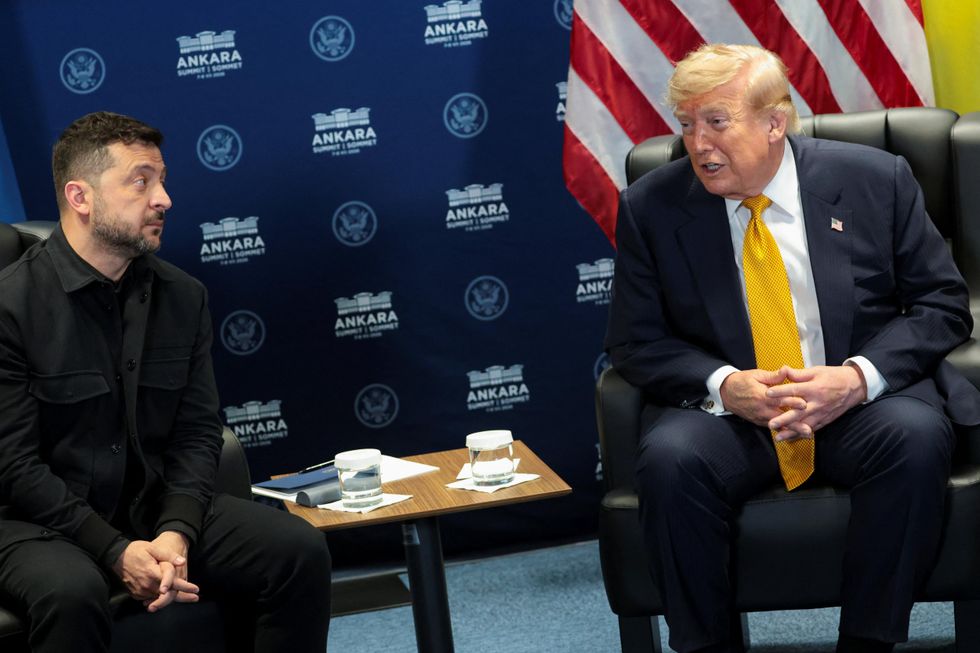
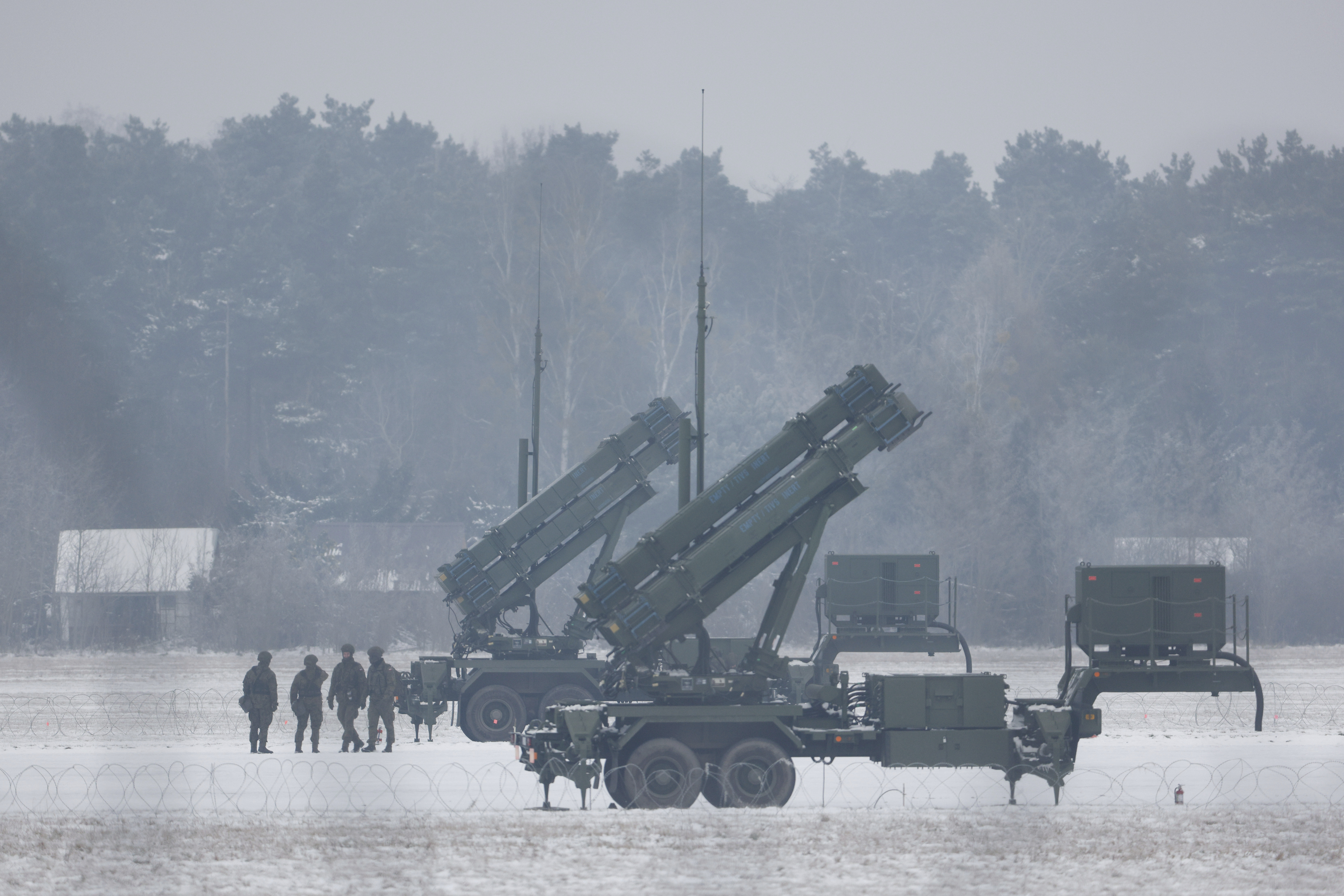
- Trump reversed course on the license at a Camp David Cabinet meeting three days after Zelenskyy asked for "several hundred" interceptors at a July 28 Oval Office meeting; Trump refused, citing shrunken stocks after the U.S.-Israel war with Iran drained an estimated two-thirds of America's pre-war Patriot interceptor inventory.
- U.S. NATO Ambassador Matthew Whitaker dampened expectations further on Aug. 3, telling Fox News that "we do not allow anybody but US manufacturers to make those in the United States" and that a long-term production agreement "will not be concluded before this winter."
- Five days after Trump's original pledge, Ukraine, nine European countries, and defense firms including Eurosam, Leonardo, Thales and Saab launched a Paris coalition to field "Freyja," an antiballistic system built around a Ukrainian interceptor priced at roughly one-fifth of a Patriot round — the cheaper alternative the Capitol Hill source said the giants fear most.
- A week after that, Lockheed unveiled its own PAC-3 ACE at Farnborough at roughly $2 million per round — less than half the price of the PAC-3 MSE Ukraine currently fires at Russian ballistic missiles.
- Zelenskyy posted on X Saturday that the two sides "have now reached an agreement," and said in a weekend interview that "the decision has been made... by the President of the United States and other important American government institutions," though American officials have yet to respond.
Why it matters: The hedged deal directly pits Zelenskyy's "agreement reached" claim against Whitaker's "will not conclude before winter" statement, leaving Ukraine's air-defense expansion dependent on a competing European-built alternative that a Capitol Hill source says Lockheed and Raytheon privately fear more than IP theft. Freyja at one-fifth the cost of a Patriot round and Lockheed's own PAC-3 ACE at $2 million show the market pressure forcing that hedge, and a long licensing delay lets Europe's cheaper coalition gain ground first.
Ask SkimNews