Patriot Makers Stall Ukraine Deal Over Competition Fears
Get the Geopolitics newsletter
Daily geopolitics — wars, elections, sanctions, the diplomatic moves that move markets. Free.
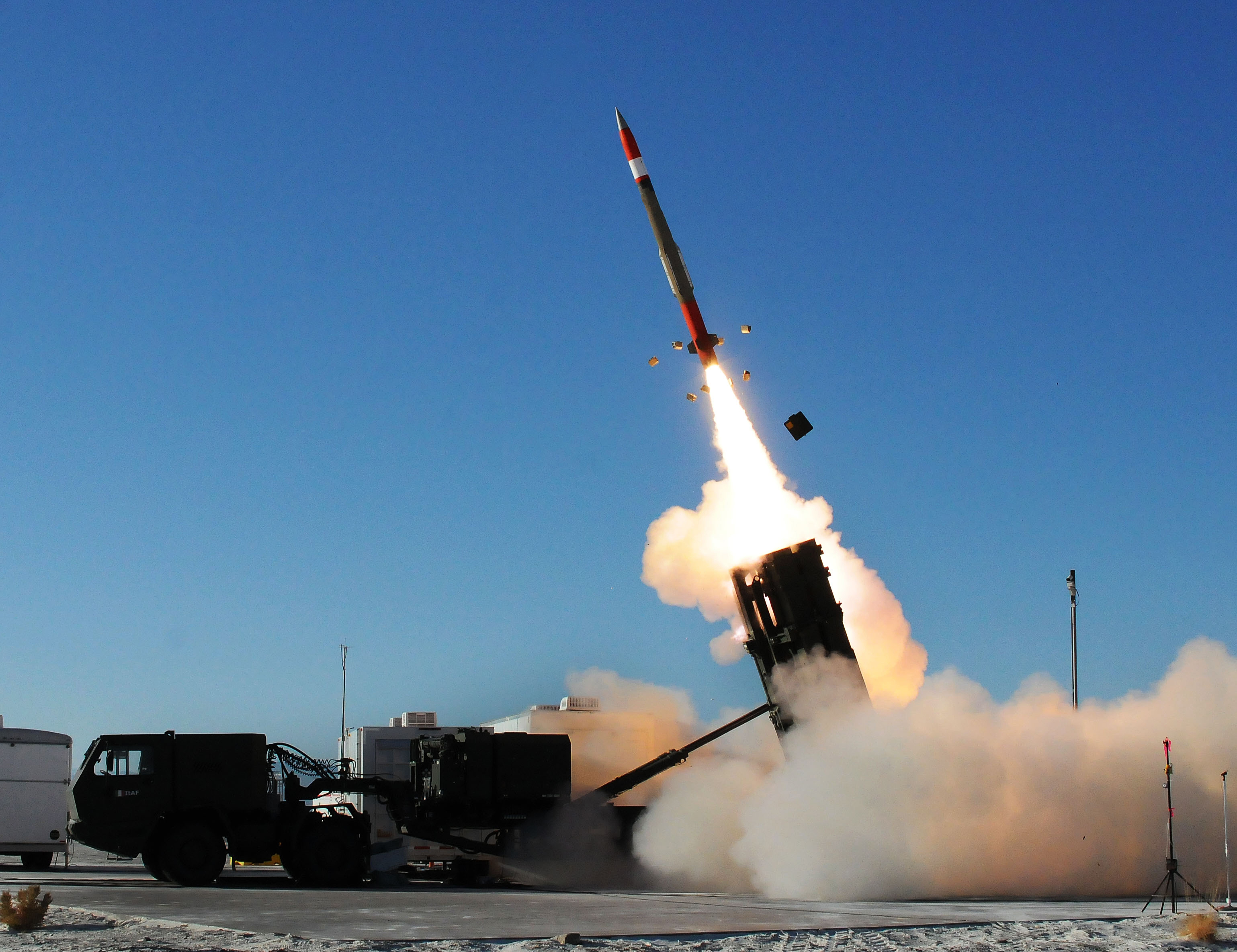
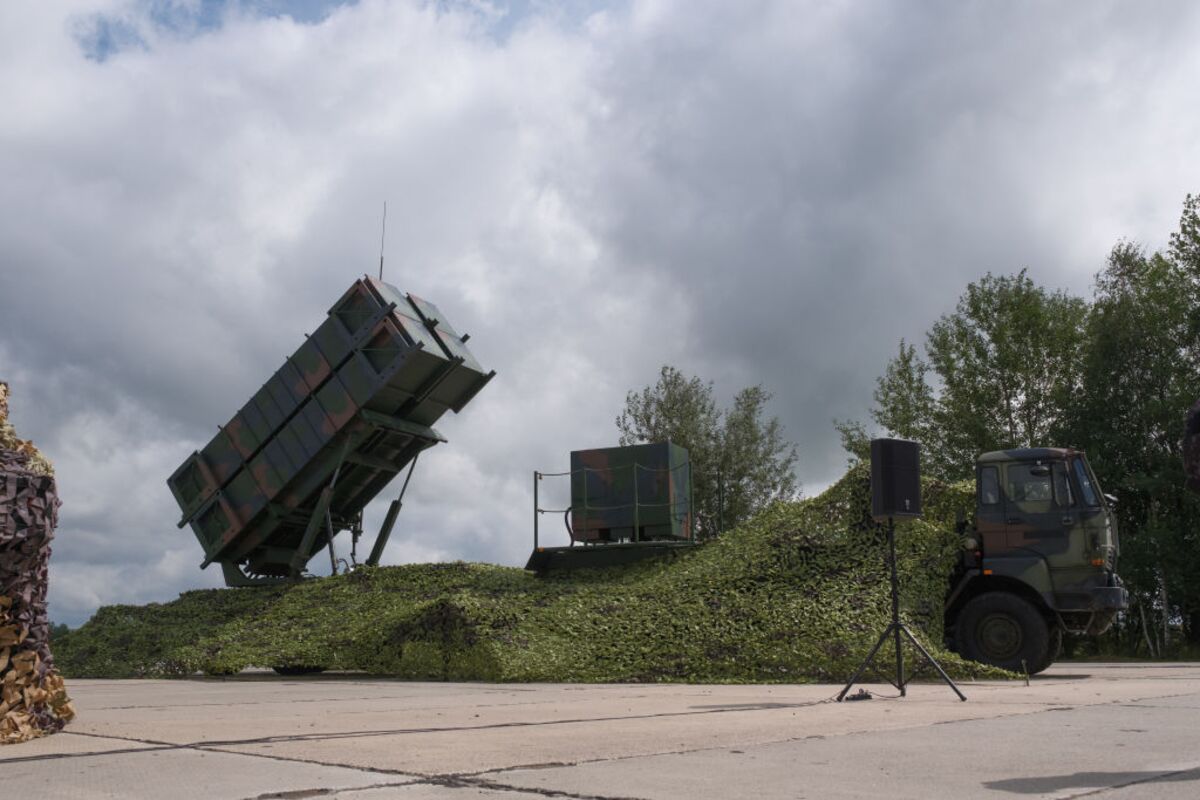
- Lockheed Martin and Raytheon have begun slowing a deal to license Patriot missile production to Ukraine, with executives at the Farnborough Airshow calling talks "early" and assessing what is "feasible."
- A Republican Capitol Hill official told The Atlantic the companies' real worry is that Ukraine will improve the Patriot and produce it faster and cheaper than US production lines — concerns they will publicly frame as "IP theft and tech transfer."
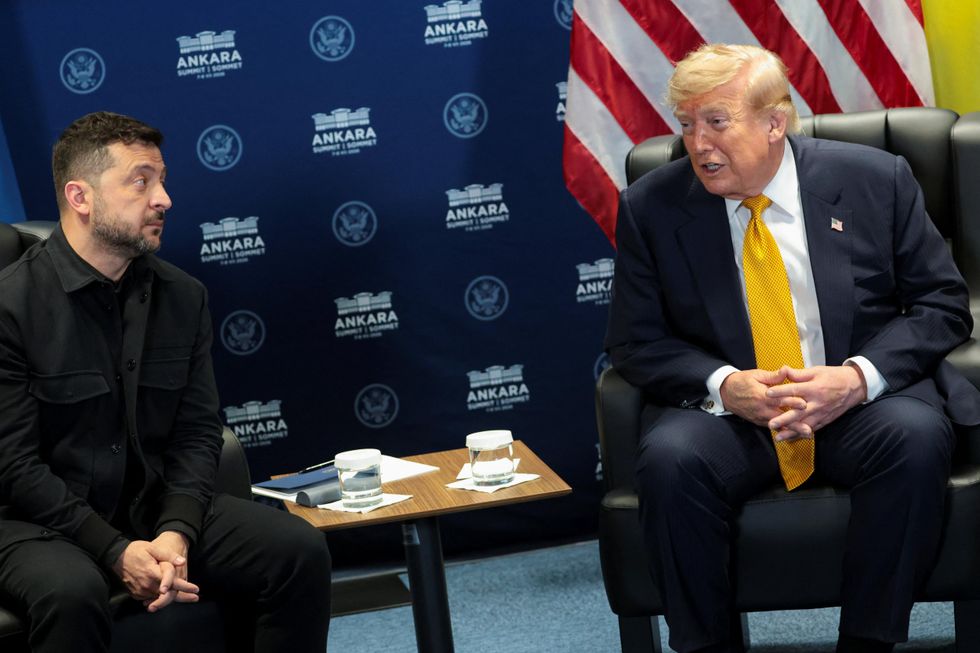
- Trump shifted positions repeatedly — pledging the license at the July NATO summit in Ankara, telling the Financial Times on July 20 the US must be "a little bit careful of who we license to," refusing Zelenskyy's July 28 request for "several hundred" interceptors, then reversing course on the license entirely three days later.
- US NATO Ambassador Matthew Whitaker on August 3 told Fox News that "we do not allow anybody but US manufacturers to make those in the United States" and that a long-term production deal "will not be concluded before this winter."
- Ukraine, nine European countries and defense companies including Eurosam, Leonardo, Thales and Saab launched a Paris coalition to field "Freyja," a new antiballistic system built around a Ukrainian interceptor priced at roughly one-fifth of a Patriot round.
- Lockheed unveiled the PAC-3 ACE at Farnborough at roughly $2 million per round — less than half the price of the PAC-3 MSE Ukraine currently fires at Russian ballistic missiles.
- Ukraine's weapons industry has boomed since the US-Israel war with Iran began in the spring, a conflict that drained an estimated two-thirds of America's pre-war Patriot interceptor inventory.
Why it matters: Defense giants publicly cite IP concerns while privately fearing Ukraine — honed by five years of full-scale war — will improve and outbuild the Patriot at a fraction of US cost, threatening their antiballistic monopoly. With the deal pushed past winter, Kyiv is already hedging with cheaper alternatives like Freyja.
Ask SkimNews