What is the Philippines' BARMM regional election and why does it matter — SkimNews

Get the Geopolitics newsletter
Daily geopolitics — wars, elections, sanctions, the diplomatic moves that move markets. Free.
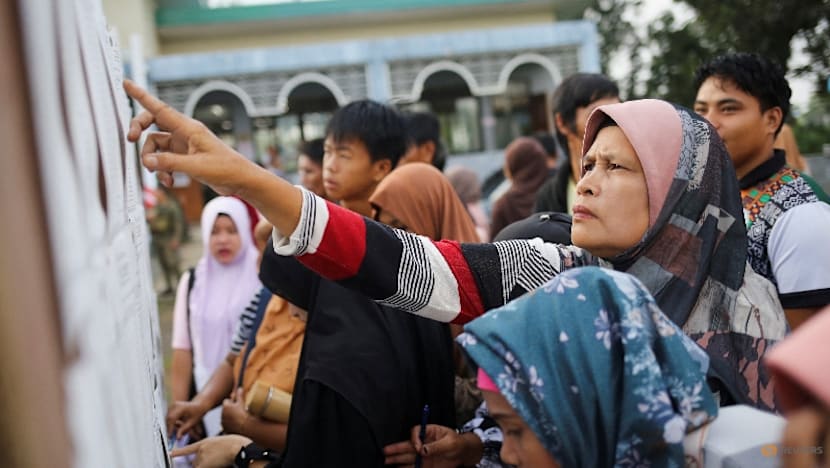
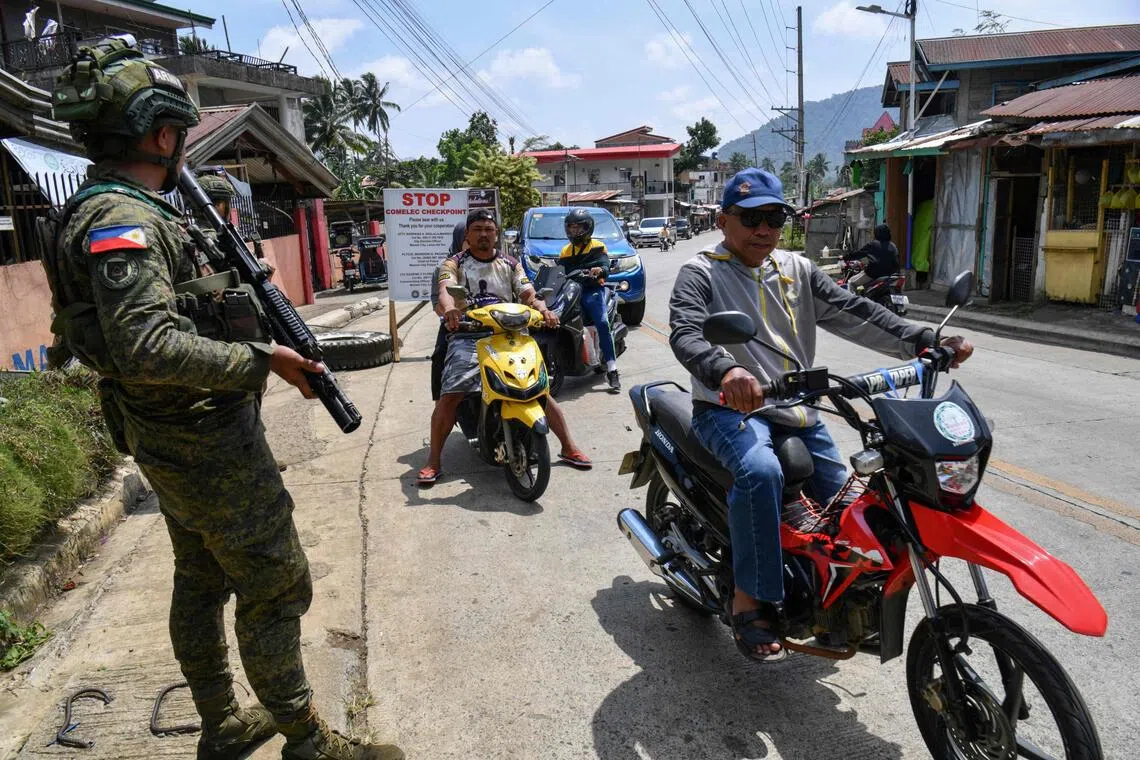
- BARMM holds its first parliamentary election on Sept. 14, with nearly 2.4 million registered voters casting ballots to complete the shift from an appointed interim government to elected regional self-rule in the Muslim-majority south.
- The region traces to a 2014 peace agreement between the Philippine government and the Moro Islamic Liberation Front (MILF), ending a conflict that killed more than 120,000 people and displaced about 2 million.
- Voters are choosing an 80-member parliament — 40 party representatives via proportional representation, 32 district representatives, and 8 sectoral representatives — which will then elect the chief minister.
- BARMM's economy grew 5.0% in 2025, up from 3.5% in 2024, outpacing the national rate of 4.4%, though officials note the region still faces significant poverty and development challenges.
- Contenders include parties led by former MILF rebels, rival factions that splintered after the peace deal, and traditional political clans.
- The 2017 Marawi City siege by Islamic State-linked militants — the Philippines' worst urban battle since World War II — underscored why stability and self-rule in BARMM were considered urgent.
Why it matters: For the first time, the autonomous institutions governing 4.5 million people in the Muslim-majority south will be led by officials chosen through elections rather than appointment, converting a peace deal into operational self-government and putting former MILF rebels — once an armed separatist movement — into direct competition with rival factions and traditional political clans for power through ballots rather than bullets.
Ask SkimNews