Thailand PM urges WFH as diesel hits 50 baht/litre — SkimNews

Get the Geopolitics newsletter
Daily geopolitics — wars, elections, sanctions, the diplomatic moves that move markets. Free.
- Anutin Charnvirakul called on the public and private sector to adopt work-from-home or work-from-anywhere, reduce personal car use, carpool, and use electricity responsibly, citing Thailand's exposure to the Middle East conflict through its reliance on imported oil and gas.
- Diesel prices in Thailand climbed past 50 baht (~£1.15) per litre this weekend, up from roughly 30 baht per litre in late February — a rise of more than 60% in weeks.
- Anutin said further measures may be announced and pledged the government would do "everything in its power" to shield the public, warning that despite high oil reserves, Thailand "cannot remain complacent and manage our oil resources as we have done in the past."
- Thailand's commerce ministry will tighten crude palm oil exports and control bottled palm oil prices from Tuesday to protect domestic supply as biodiesel demand climbs.
- The Thai government had already suspended most overseas trips for officials and ordered them to wear short-sleeved shirts without ties — except at ceremonies — to cut air-conditioning demand.
- Other Asian governments are pursuing similar conservation steps: Sri Lanka and the Philippines have introduced four-day weeks for many public-sector staff, and Vietnam has called for employees to work from home.
- Indonesia separately raised the jet fuel surcharge by 28 percentage points and will allow airlines to lift domestic ticket prices by up to 13%.
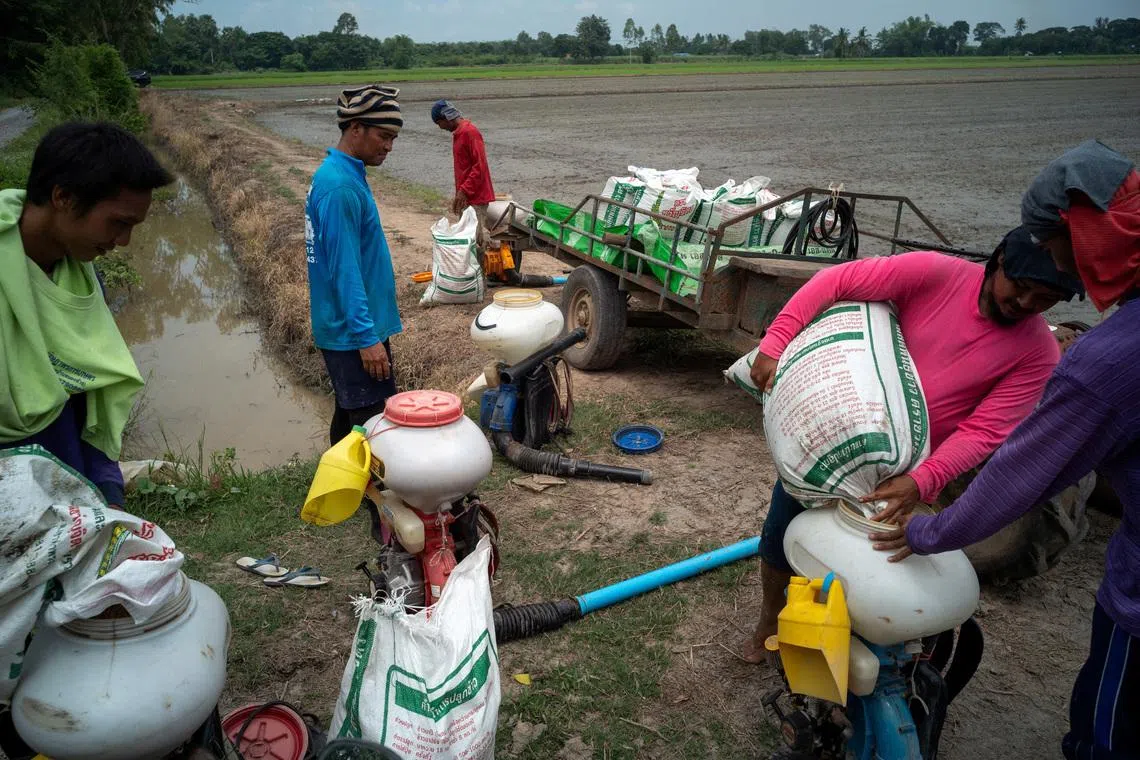
Why it matters: Diesel has surged more than 60% in weeks, hitting Thai farmers, transport operators, and a tourism sector bracing for a quieter Songkran holiday. With Indonesia, Vietnam, Sri Lanka, and the Philippines all moving in parallel, the measures point to a regional energy-conservation scramble as fuel-import bills squeeze Southeast Asian current accounts.
Ask SkimNews