Thai Fuel Prices Surge 50%; Govt Calls It 'New Normal' — SkimNews
Get the Geopolitics newsletter
Daily geopolitics — wars, elections, sanctions, the diplomatic moves that move markets. Free.
- Nuttaa Mahattana, spokesperson for Thailand's Centre for Monitoring the Situation in the Middle East, declared the country's soaring fuel and commodity prices a "New Normal," saying energy costs will continue rising long-term and that higher prices naturally deter hoarding and smuggling
- Thai pump prices rose four times in two weeks — March 21 (global market trends cited), March 24 (Oil Fuel Fund subsidy burden), March 26 (6 baht/litre), March 31 (just over 1 baht), and April 2 — accumulating close to a 50% increase since the Middle East conflict began
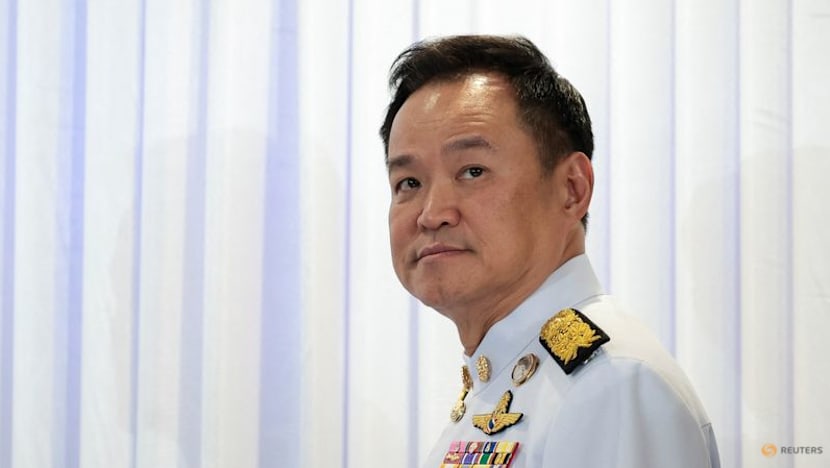
- Prime Minister Anutin Charnvirakul admitted on April 3 that credible evidence shows fuel hoarding exceeding 50 million litres, undercutting the spokesperson's claim that price hikes deter hoarding
- South Korea is projected to save up to 3,000 barrels of fuel daily by limiting government worker vehicle usage, while France and the UK are subsidising selected fuel types — proactive measures not replicated in Thailand
- Thailand's domestic response has been limited to asking civil servants to raise air conditioner settings and remove jackets, and urging citizens to stay home and fill up less
Why it matters: Thai consumers have absorbed a near-50% fuel price surge in roughly one month, yet the government's countermeasure is thermostat adjustments and stay-at-home pleas — while South Korea targets 3,000 barrels/day in savings and France and the UK deploy fuel subsidies. By branding the crisis a "New Normal," the Anutin Cabinet is pre-empting accountability for a ~50% cost-of-living shock hitting ordinary households hardest.
Ask SkimNews