Middle East War Spurs Thai Oil, Trade, Rice — SkimNews

Get the Geopolitics newsletter
Daily geopolitics — wars, elections, sanctions, the diplomatic moves that move markets. Free.
- The war between the US‑Israel alliance and Iran has moved beyond initial air strikes, with attacks on Iran’s ballistic missile facilities and border outposts, raising fears of broader economic shock via soaring oil prices and trade disruptions.
- Thailand’s caretaker government says the country has enough fuel reserves for over 90 days but is exploring flexible fuel import options amid concerns about sustaining energy subsidies.
- Dhanakorn Kasetrsuwan, chairman of the Thai National Shippers’ Council, warned that oil prices hitting $100‑$120 per barrel would raise energy, production, freight, and insurance costs and increase exchange‑rate volatility, pressuring exporters.
- Freight rates on key Asia‑Middle East, Europe, North Africa, and Mediterranean routes have risen 10‑30%, and shipping lines now levy emergency conflict surcharges of $2,000‑$4,000 per container plus war‑risk surcharges of $1,500‑$3,500 per container, with insurance premiums also climbing.
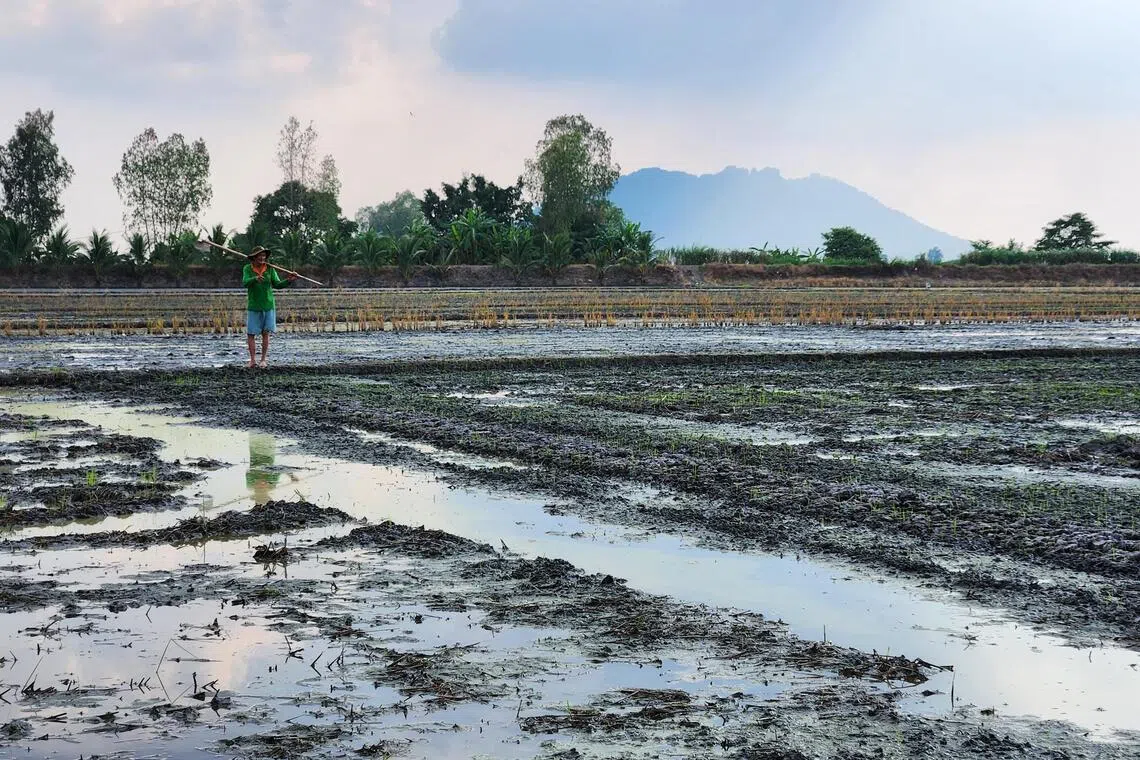
- Thai rice shipments to Iraq, normally 70,000‑80,000 tonnes monthly, have been halted, forcing already‑loaded cargo to be stored and prompting exporters to seek alternative markets such as Malaysia and China.
- Chanon Koetcharoen, president of the Restaurant Association, said rising fuel costs could push utility expenses to 10‑15% of total restaurant costs and that delivery‑platform fees of 20‑30% further squeeze profit margins for small operators.
- Adith Chairattananon, honorary secretary‑general of the Association of Thai Travel Agents, called for a comprehensive risk‑management system for tourism and urged focus on regional MICE demand to offset the drop in long‑haul visitors.
Why it matters: Thai exporters and restaurants face higher costs and reduced competitiveness as oil prices surge and freight surcharges climb, while the government’s fuel reserves and subsidy policies become a critical buffer for the economy; rice exporters lose the Iraqi market, and tourism agencies must devise risk‑management plans.
Ask SkimNews