How to safely watch a solar eclipse without eye damage — SkimNews

Get the Health newsletter
Daily health & science — research, biotech, public health, the studies worth knowing. Free.
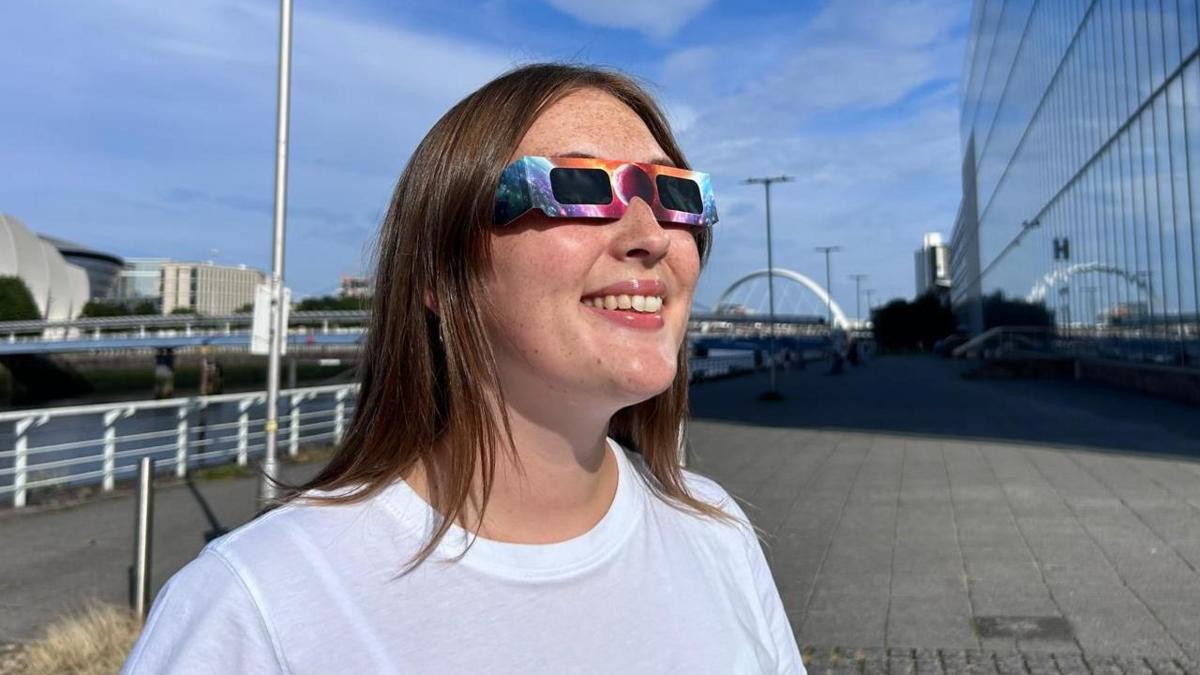
- Eclipse glasses provide the only safe method to look directly at the sun during an eclipse, filtering out all but a tiny fraction of sunlight—regular sunglasses are not sufficient.
- American Astronomical Society has published a list of trusted suppliers for certified eclipse glasses and solar filters to prevent retinal burns.
- Telescopes or binoculars require proper solar filters over their objective lenses, as eclipse glasses alone do not offer enough protection when using magnifying devices.
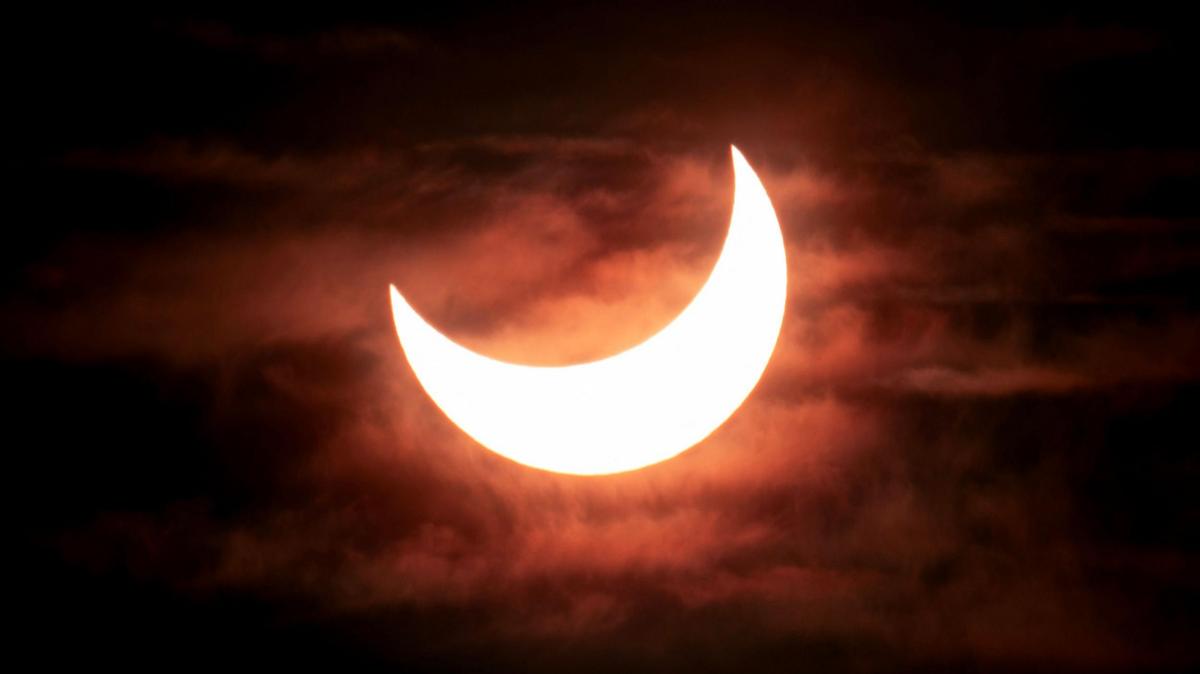
- Shadows from everyday objects like trees, colanders, or hands can project crescent shapes onto surfaces, revealing the progress of a partial eclipse without any special equipment.
- Pinhole projection using a cardboard box with a small hole projects an image of the sun onto the opposite end, allowing indirect viewing while facing away from the sun.
- Mirror projection enables large-scale viewing by reflecting sunlight through a small hole in a covered mirror onto a wall or screen, useful for group observation.
Why it matters: Improper viewing during an eclipse risks permanent vision loss, yet many lack access to or awareness of safe methods. The American Astronomical Society’s guidance ensures that millions can observe the event without injury, especially where direct observation is tempting but dangerous.
Ask SkimNews