Astronomy superfan, 11, shares tips for watching solar eclipse — SkimNews
Get the Health newsletter
Daily health & science — research, biotech, public health, the studies worth knowing. Free.
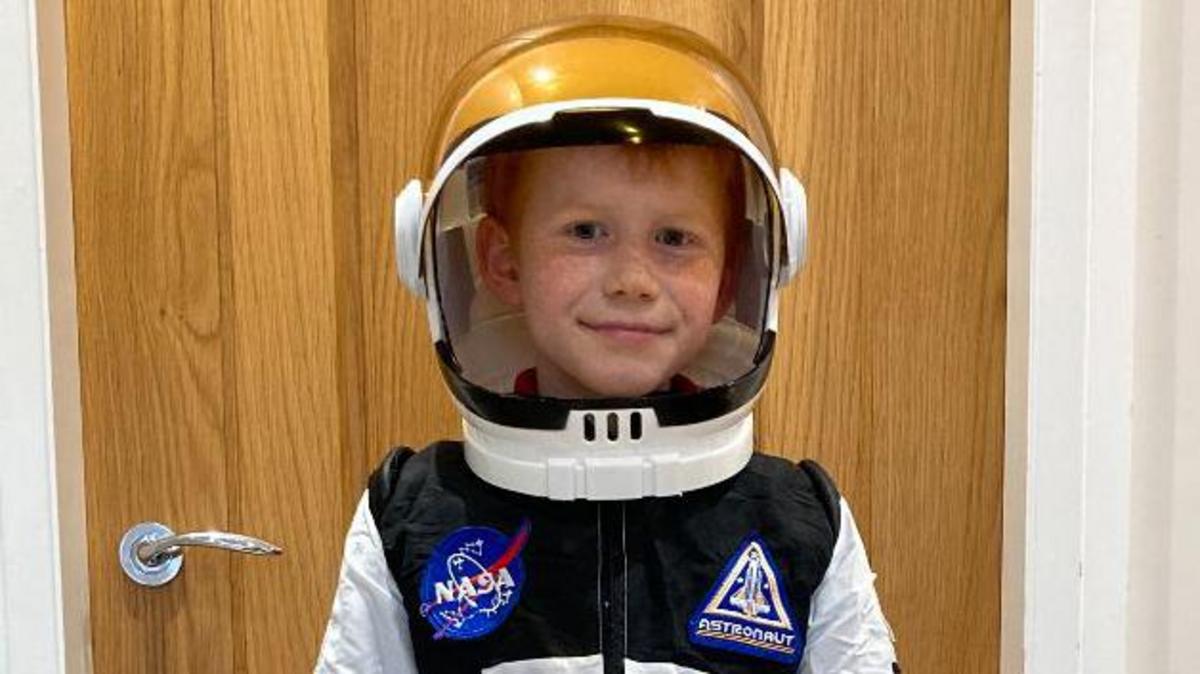
- Efan Dafydd, an 11-year-old member of the Vale Stargazing Club, has loved astronomy since age two after his mother Lowri gave him a Welsh-language book called Gofod ("space").
- Efan warned that glasses used during the 1999 total eclipse are unsuitable now because they could be scratched or damaged and cause vision loss; he stressed normal sunglasses won't work and that phones, telescopes, and binoculars all require dedicated solar filters to protect lenses from UV damage.
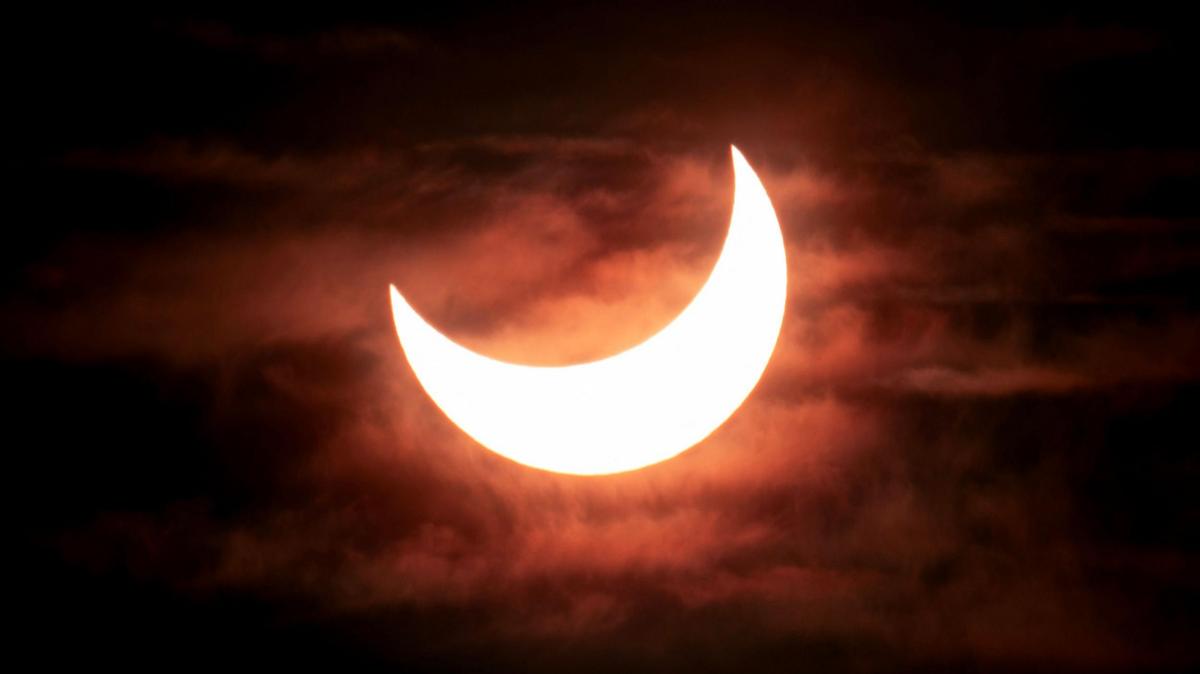
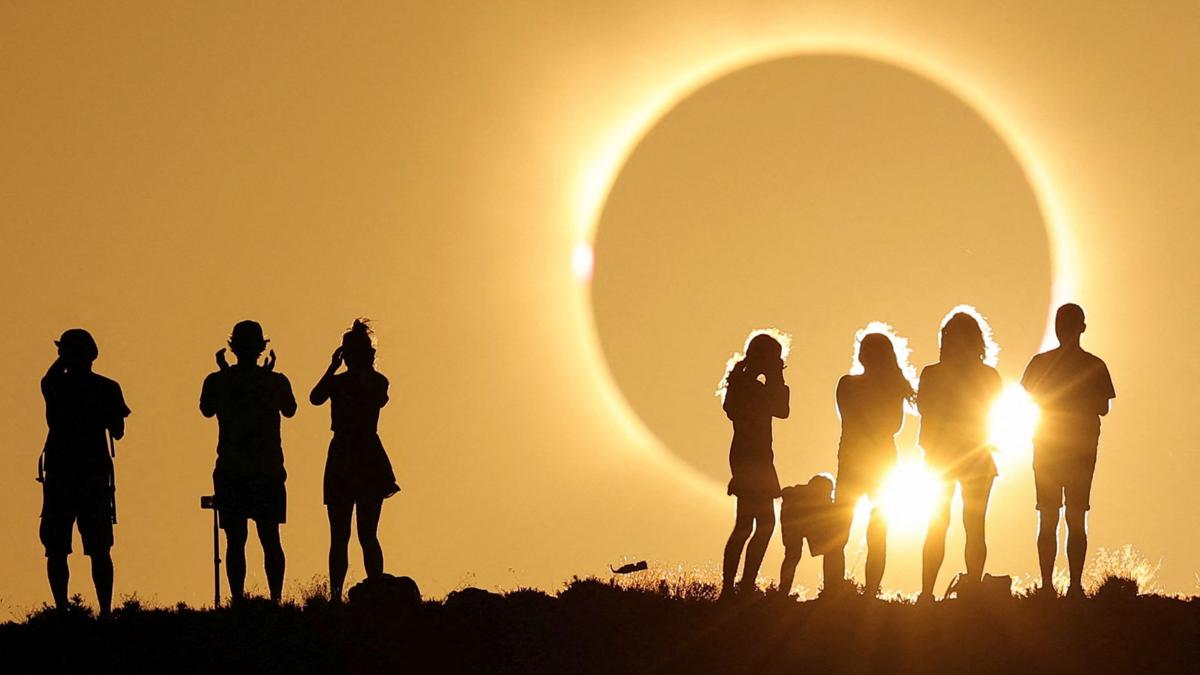
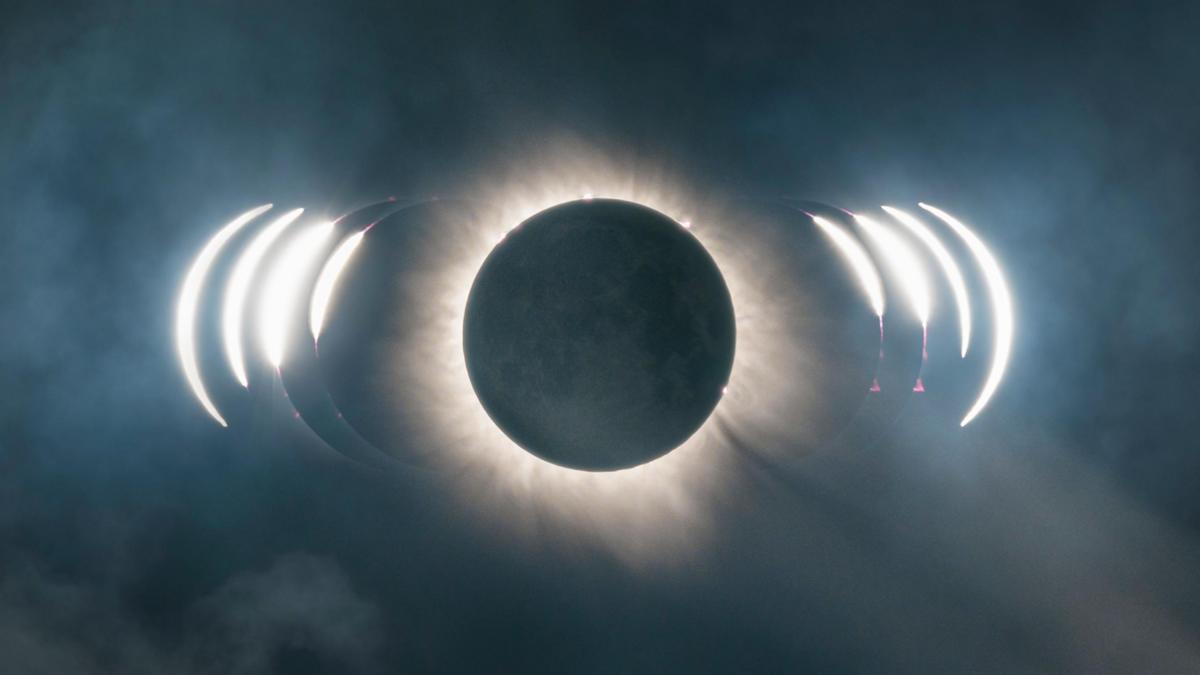
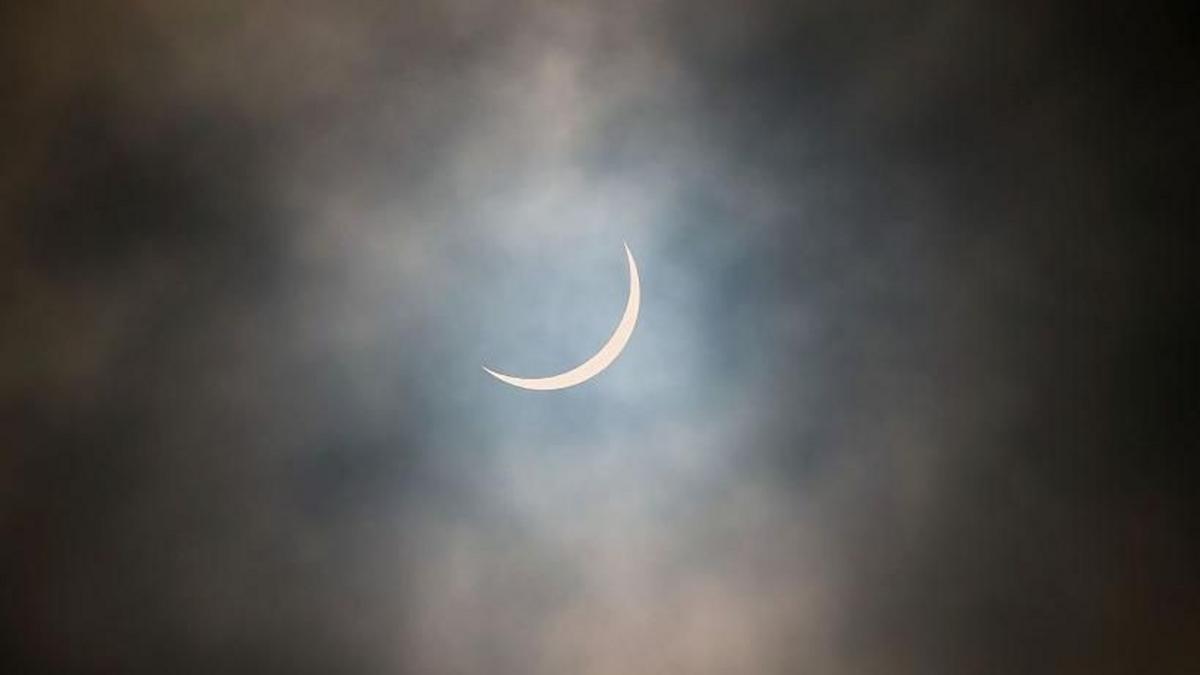
- Wednesday's partial solar eclipse will cover more than 90% of the Sun for most of the UK — the largest visible until September 2090 — beginning at approximately 18:10 BST, with timings varying by location.
- Efan plans to view the eclipse from the runway of a gliding club in Denbigh and expected it to feel "really cold" during the event.
- Tim Peake, retired British European Space Agency astronaut, told Efan during an October backstage meeting at Peake's book tour that becoming an astronaut requires an engineering degree or an RAF route, doing well in school, staying fit — and learning Russian to access training at Russia's Gagarin Cosmonaut Training Center.
- Efan is on a nearly 300-day Duolingo streak studying Russian, having so far learned greetings, familial terms, and animals such as dogs and cats; he named Neptune — and its Earth-sized Great Dark Spot storm — as his favourite planet.
- Jupiter was the "coolest" thing Efan has seen while stargazing, he said, because "it was just so clear."
Why it matters: Wednesday's eclipse will obscure over 90% of the Sun for most of the UK — a sight not repeating on this scale until 2090 — so safe-viewing guidance carries unusual weight. Having an 11-year-old Vale Stargazing Club member deliver that guidance shows how grassroots astronomy clubs translate specialist eye-safety knowledge into public warnings during rare celestial events.
Ask SkimNews