Firefighters Warn of 'Breaking Point' in Record US Wildfire Season — SkimNews

Get the Energy newsletter
Daily energy & climate — solar, EVs, oil, the policy fights and tech bets shaping the transition. Free.
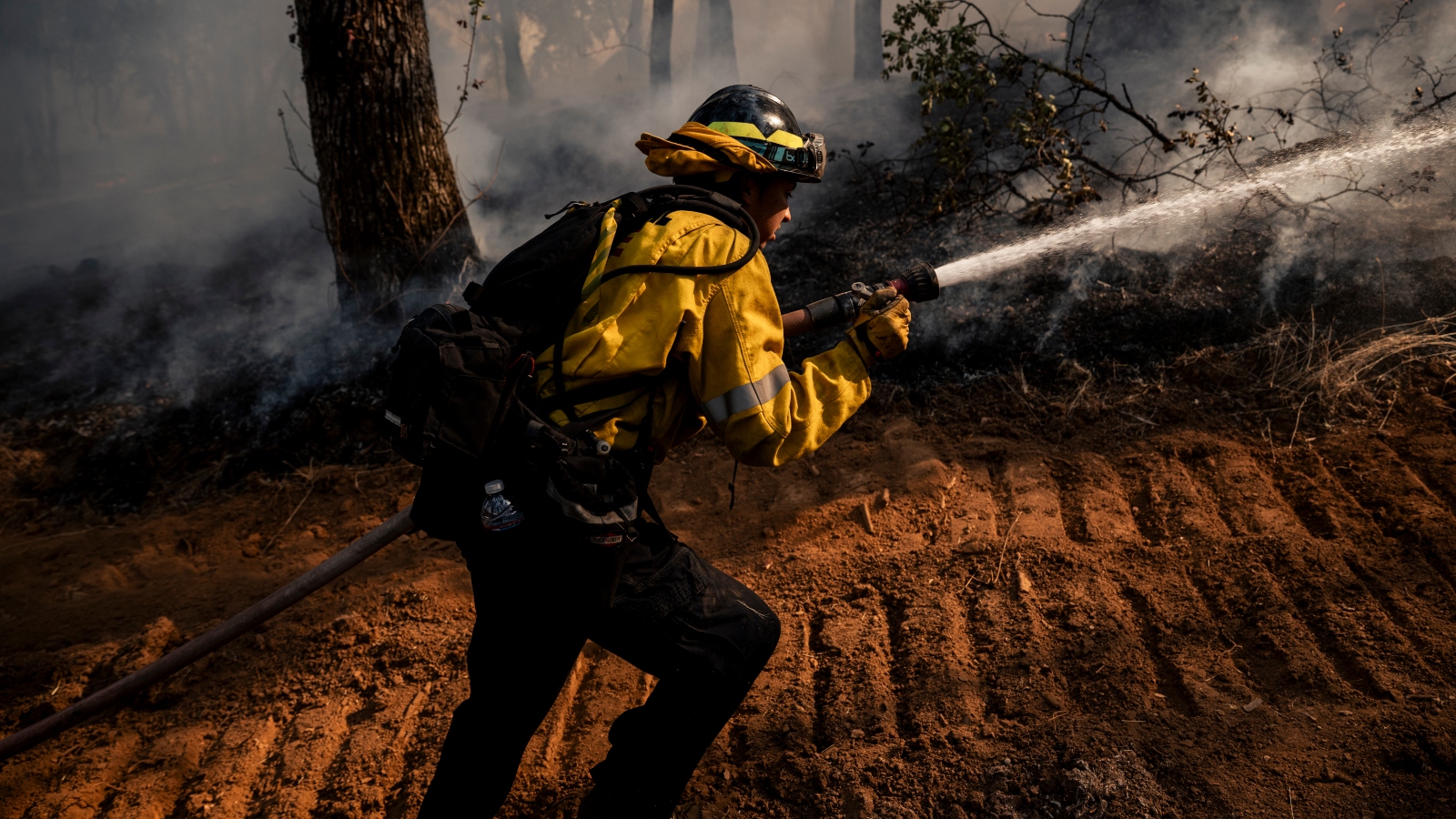
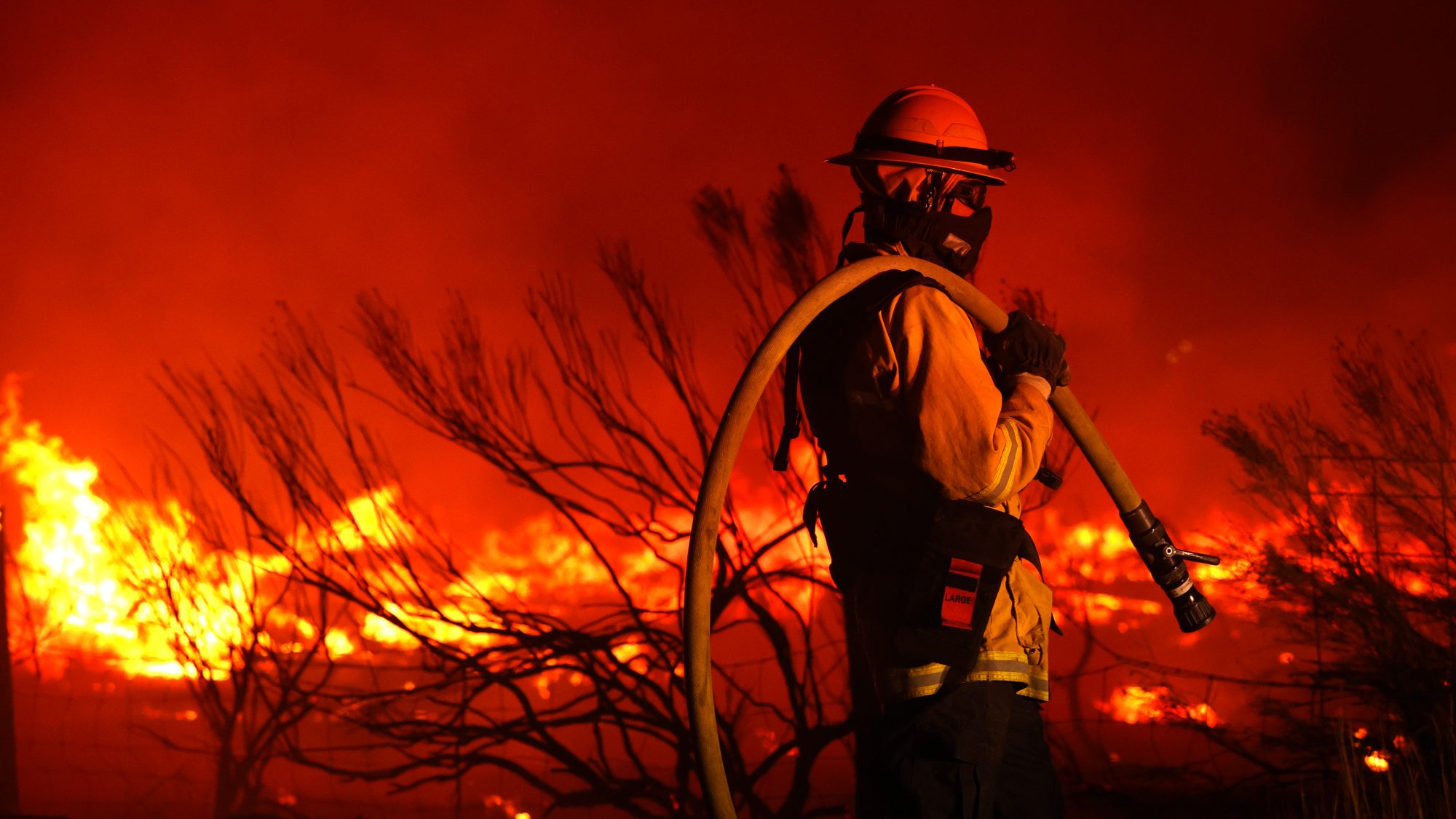
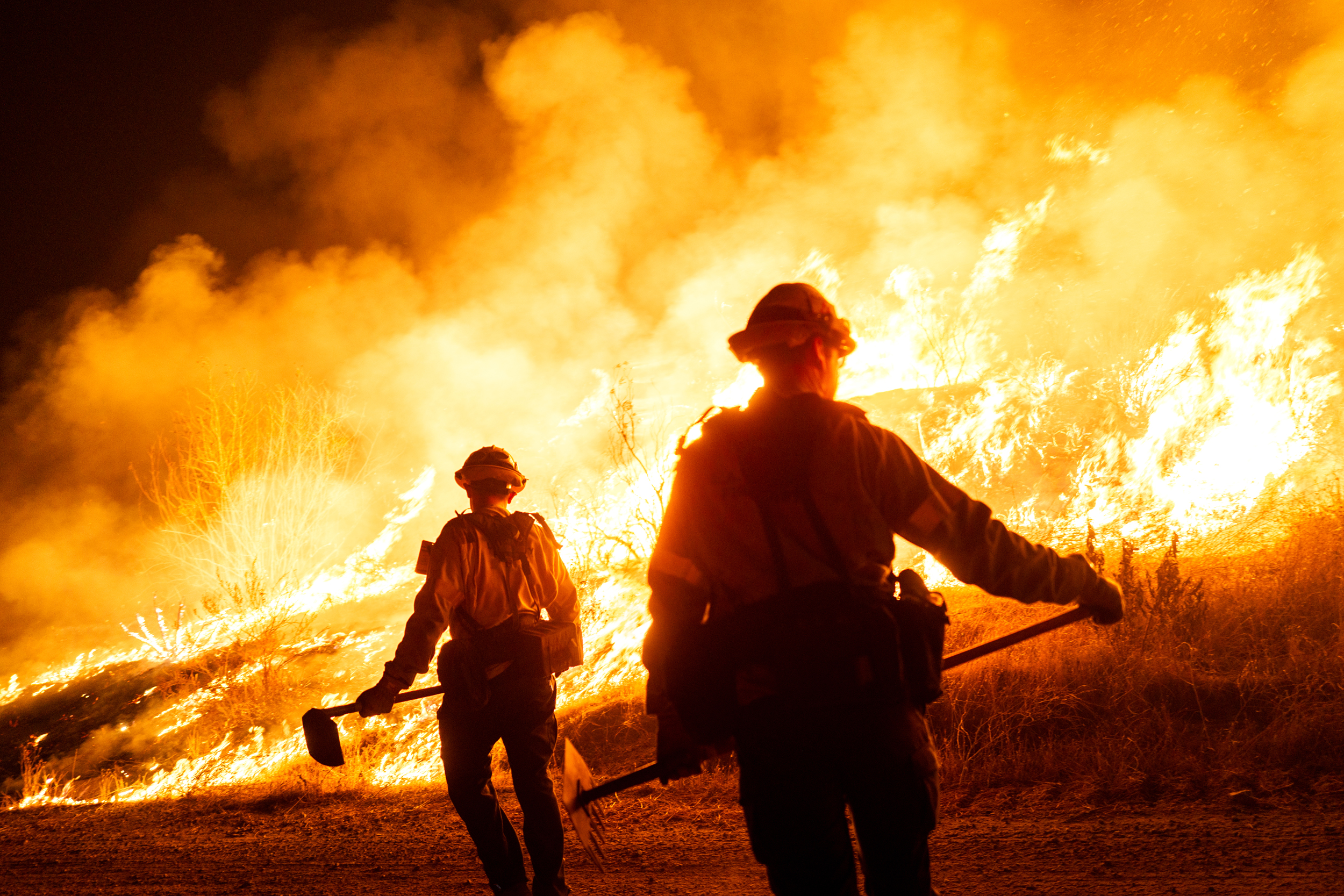
- Nine anonymous federal firefighters told the Guardian they've been on near-nonstop fire assignments since April, with widespread fatigue, accidents "through the roof," and some helicopter crew members opting out of high-risk missions as the administration pressures rapid containment.
- By mid-August, the season had produced 12 entrapments — the highest in 20 years — and 14 on-duty fatalities, including three deaths at Colorado's Knowles fire, the deadliest entrapment in 13 years.
- Senators Bennet, Padilla, Wyden, Schiff, and Hickenlooper wrote last week to Interior and USDA heads warning that teams "have worked more fires than is safe," crew requests went unfilled across the West, and the agencies' combined $6bn suppression budget is being depleted weeks before peak risk subsides.
- Agriculture Secretary Brooke Rollins and Interior Secretary Doug Burgum issued directives prioritizing "direct attack" tactics and mandating a return to fast, full suppression, reversing recent policies that allowed some blazes to burn for ecological benefit.
- Fire ecologist Dr Timothy Ingalsbee of Firefighters United for Safety, Ethics and Ecology (Fusee) said sleep deprivation, smoke inhalation, and exhaustion impair crews' ability to "think clearly and act decisively," and that burn injuries have spiked notably this year.
- USFS Chief Tom Schultz told a congressional subcommittee in July the workforce is "fully staffed and equipped to respond aggressively to every unplanned ignition" — a picture that directly contradicts the firefighters' and senators' accounts.
- By mid-September, roughly 54,400 blazes had burned 8.4 million acres (149% of the 10-year average), and the US spent 48 consecutive days at Preparedness Level 5, nearly double the annual 10-year average.
Why it matters: The USFS chief publicly assured Congress the workforce is at full strength, yet nine frontline firefighters, five US senators, and an independent fire ecologist describe burnout, unbudgeted depletion, and rising fatalities. With the $6bn suppression fund running out weeks before peak risk ends and aggressive tactics mandated despite documented dangers, the gap between official narrative and frontline reality raises the cost of every remaining fire this season.
Ask SkimNews