London datacentre plan 'incompatible' with net zero — SkimNews

Get the Energy newsletter
Daily energy & climate — solar, EVs, oil, the policy fights and tech bets shaping the transition. Free.
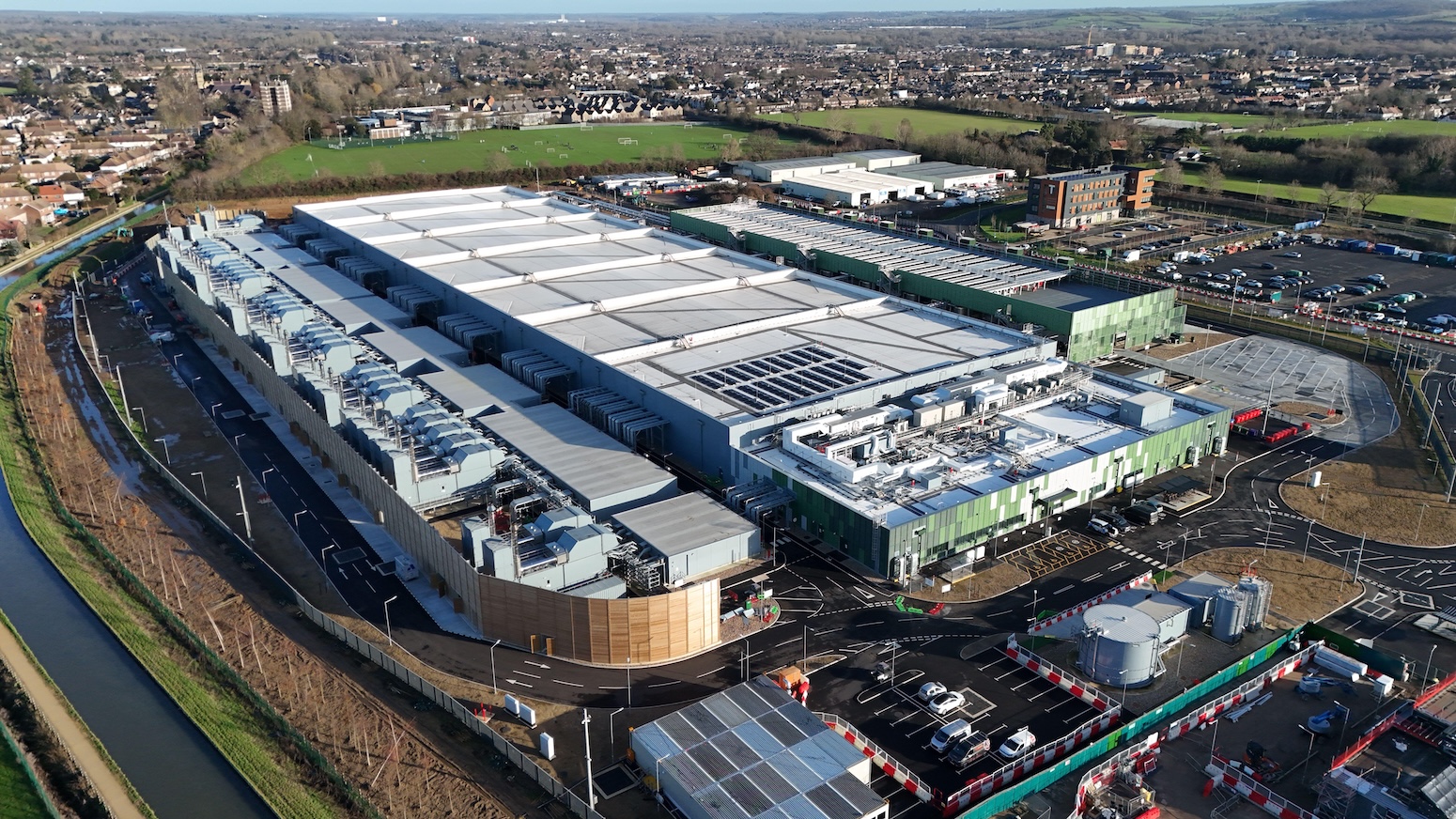
- Digital Reef's East Havering Data Centre Campus in North Ockendon would emit 1.2m tonnes of CO2e annually and 72m tonnes over its projected 60-year lifespan — the highest projected emissions of any proposed UK datacentre
- Digital Reef's own planning documents concede the £14.7bn project "does not align with a science-based 1.5C compatible trajectory and achieving net zero by 2050"
- At a "likely" 50% load, the EHDCC would consume 2.65bn kWh per year — equivalent to more than 1m UK households — requiring a new 400kV National Grid substation and 132kV UK Power Networks facility, with full connection expected by 2033
- By 2038, the campus's operational emissions would consume nearly 20 times the entire carbon budget of Havering borough and almost 1% of the UK's entire carbon budget
- Donald Campbell of Foxglove called the projected emissions "staggering" and "a big threat to the ability to decarbonise in the UK," saying developers should be required to build their own renewable generation rather than "plug into the grid"
- Digital Reef offers an estimated £77.6m payment into Havering's carbon offset fund as the only mitigation where on-site zero-carbon targets cannot be met
- Britain's grid operator Neso has warned MPs that datacentre developers have requested 72.8GW of electricity connections by 2039 — nearly 60% more than the UK's peak power demand last year
Why it matters: By 2038, the EHDCC alone would consume nearly 1% of the UK's entire carbon budget while drawing electricity equivalent to 1m households — and with Digital Reef conceding incompatibility with net zero, the only mitigation is a £77.6m offset payment. After the government designated datacentres critical national infrastructure and gave developers a path to bypass local planning, the Havering decision becomes a test of whether legally binding climate targets survive the AI buildout.
Ask SkimNews