German Bionic's Exia Exoskeleton Helps Workers — SkimNews

Get the Energy newsletter
Daily energy & climate — solar, EVs, oil, the policy fights and tech bets shaping the transition. Free.
- German Bionic produces the Exia, a battery‑powered industrial exoskeleton that detects lifting motions via motion sensors and supplies assistive force to the lower back in real time.
- German Bionic was acquired earlier this year by Swiss private‑equity firm Archimedes Partners, positioning the exoskeleton for broader market rollout.
- International Renewable Energy Agency projects the global clean‑energy workforce will need to more than triple by 2050, intensifying demand for ergonomic solutions.
- Musculoskeletal disorders cost European industry an estimated €240 billion annually, highlighting the financial stakes of back‑strain injuries in manufacturing and construction.
- Exia generates continuous ergonomic data on lift frequency, load estimates, and cumulative strain, which can be used to comply with the EU’s Corporate Sustainability Reporting Directive.
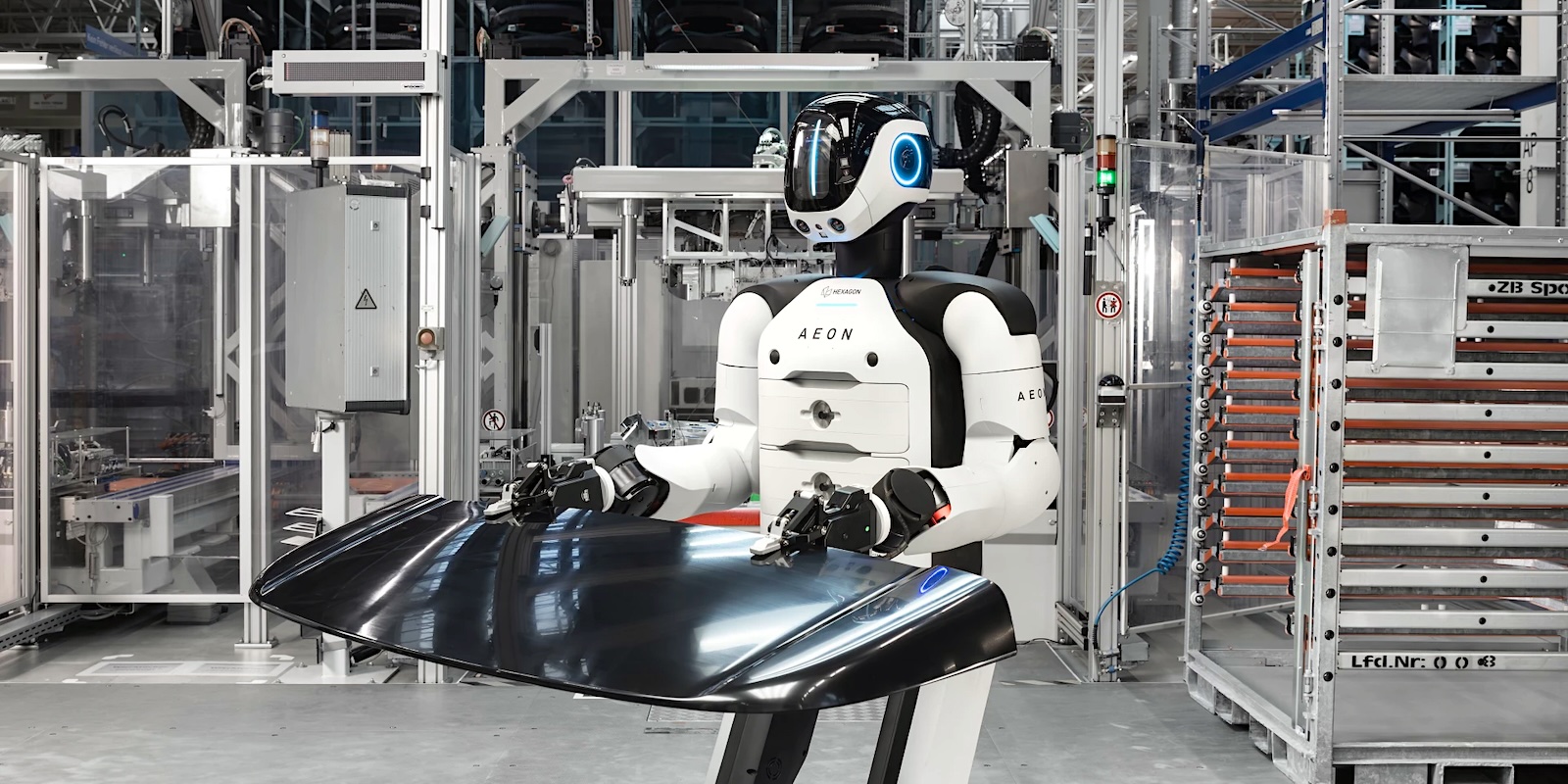
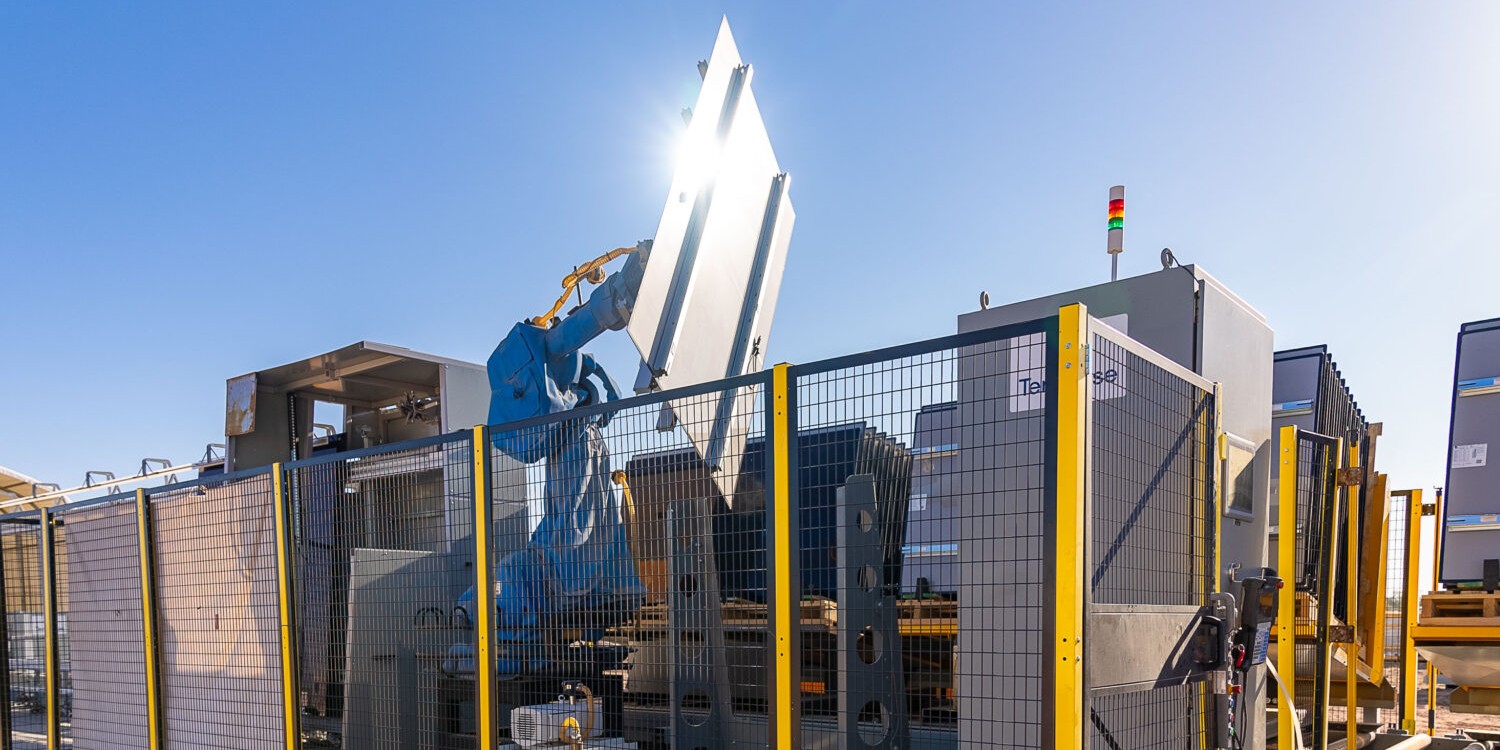
- Clean‑energy manufacturing involves thousands of repetitive lifts and heavy‑lifting tasks on factory floors and solar‑farm sites, where traditional equipment often cannot reach.
Why it matters: Employers in the clean‑energy sector gain a proven tool to reduce back‑strain injuries and lower €240 billion in absenteeism costs, while workers benefit from extended career longevity. Simultaneously, sustainability officers obtain quantifiable ergonomic data to meet EU reporting mandates and improve operational efficiency.
Ask SkimNews