Schoenbrun's Camp Miasma Dissects Pop Culture's Grip
Get the Culture newsletter
Daily culture — film, music, books, the trends and ideas worth your attention. Free.
- Jane Schoenbrun's new film 'Teenage Sex and Death at Camp Miasma' stars Hannah Einbinder as Kris, a queer filmmaker tasked with rebooting a gruesome 1980s slasher franchise called Camp Miasma
- The film satirizes Hollywood's impulse toward intellectualization and corporatization of cult horror, as Kris tries to make a 'woke' take on Camp Miasma without alienating its enduring fan base
- Gillian Anderson plays Billy Presley, a reclusive actor who starred in the original Camp Miasma but refused its sequels and now lives at the abandoned campground; she reminds Kris the franchise's initial appeal was simply 'flesh and fluids'
- Schoenbrun uses matte-painted backgrounds and blends vintage VHS aesthetics with contemporary CGI as Kris's cerebral approach dissolves into dreamlike immersion
- In a fantastical twist, the franchise's masked monster Little Death — who previously traveled to Manhattan and space in diminishing sequels — emerges from the camp's on-site lake
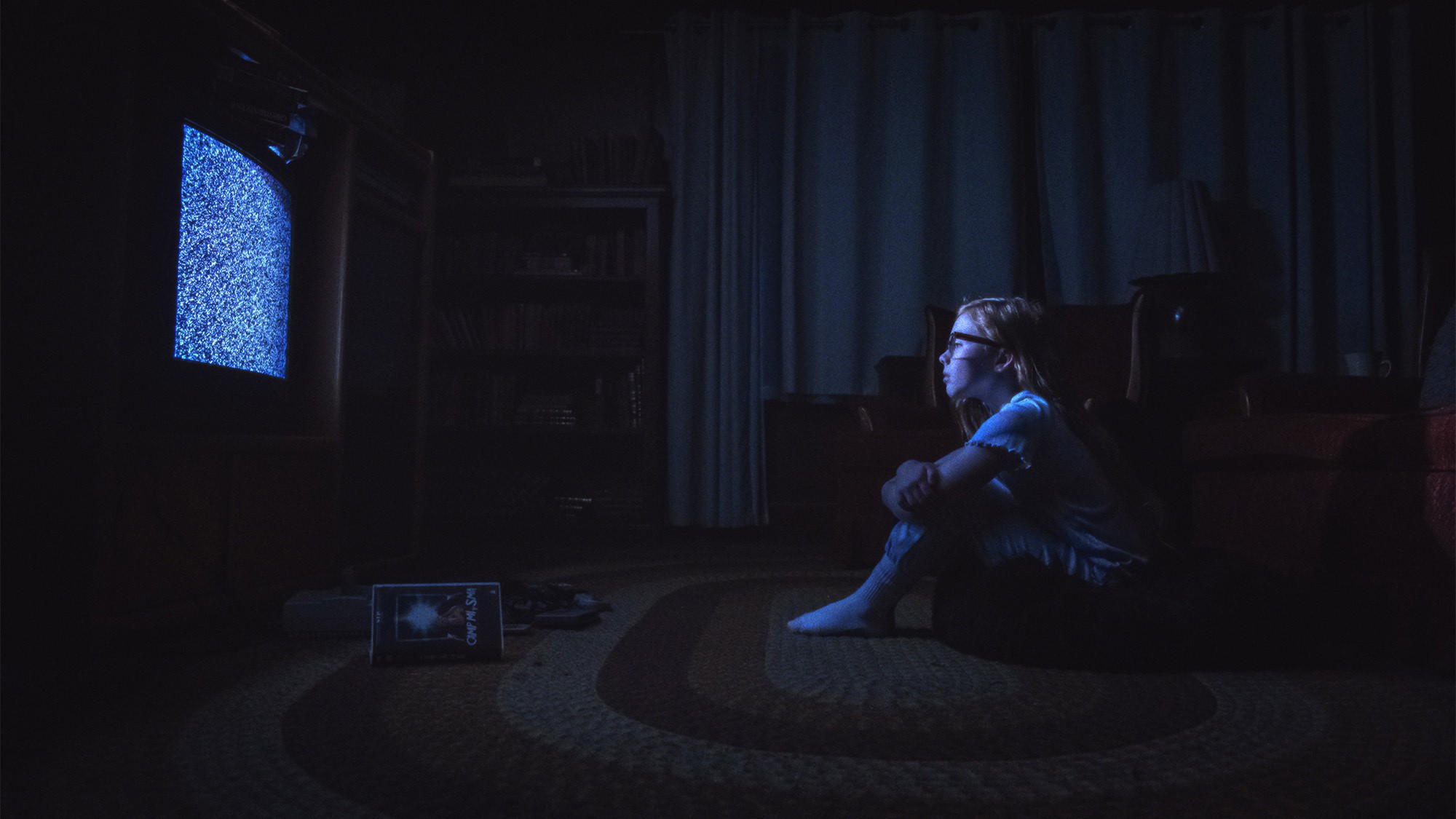
- Schoenbrun argues modern viewers are so immersed in screens that lowbrow media like Camp Miasma becomes intrinsic to identity, suggesting it may be better embraced than endlessly analyzed
- The film continues Schoenbrun's body of work following 'We're All Going to the World's Fair' (2021) and 'I Saw the TV Glow' (2024), both focused on adolescents consumed by pop culture
Why it matters: Schoenbrun extends her argument that media consumption shapes identity by setting the critique inside the very genre being recycled — Hollywood's nostalgia-industrial complex becomes the horror the protagonist can't escape. The casting of Anderson (herself a 'towering legend of genre television') as the original franchise's recluse turns the meta-commentary into a collision between two eras of cult stardom, one pre-internet and one drowning in it.


