2026 U.S. Open odds, picks, date: Surprising predictions by golf model that's nailed 17 majors — SkimNews
Get the Sports newsletter
Daily sports — scores, transfers, the storylines from the leagues you actually follow. Free.
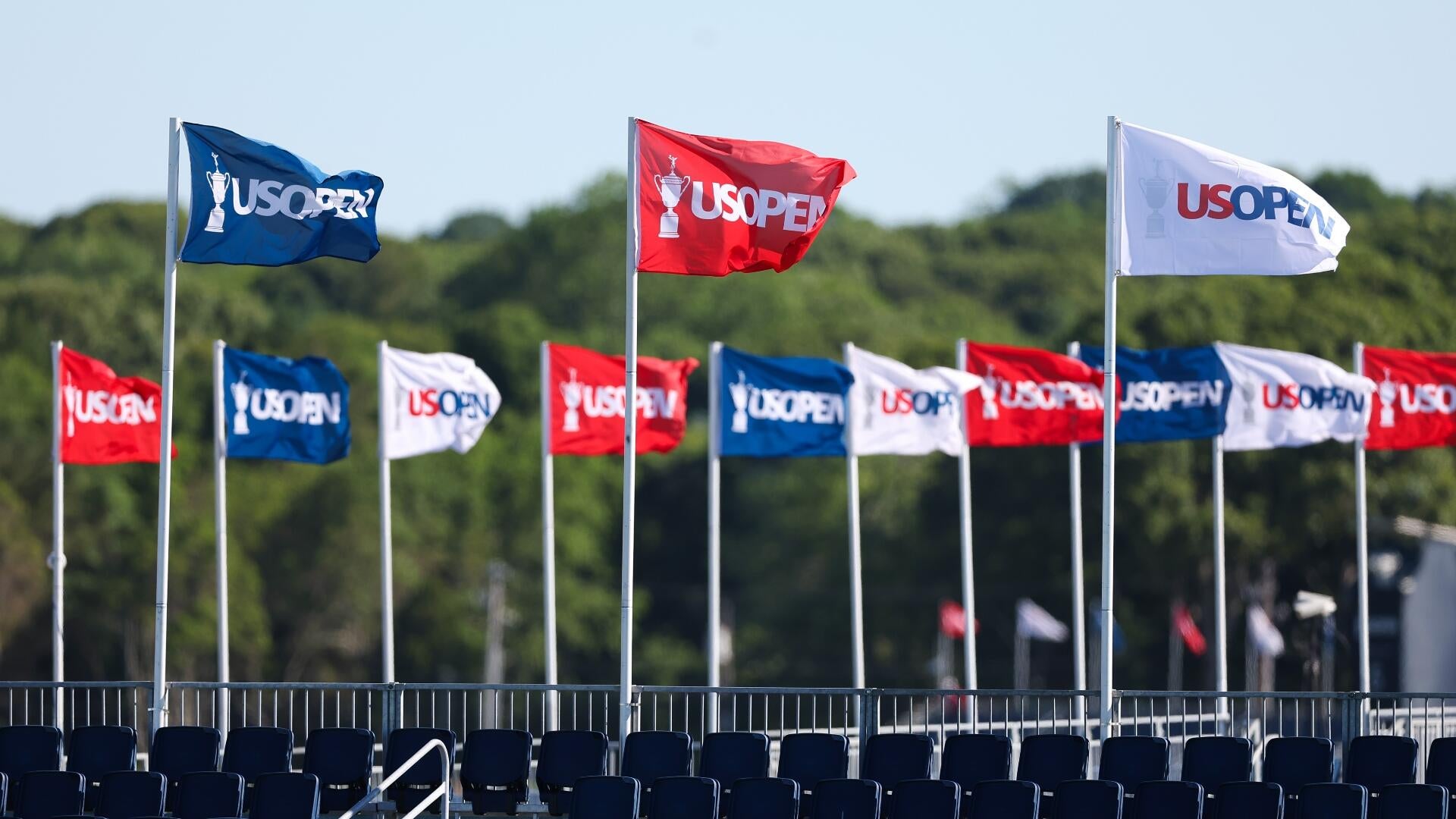
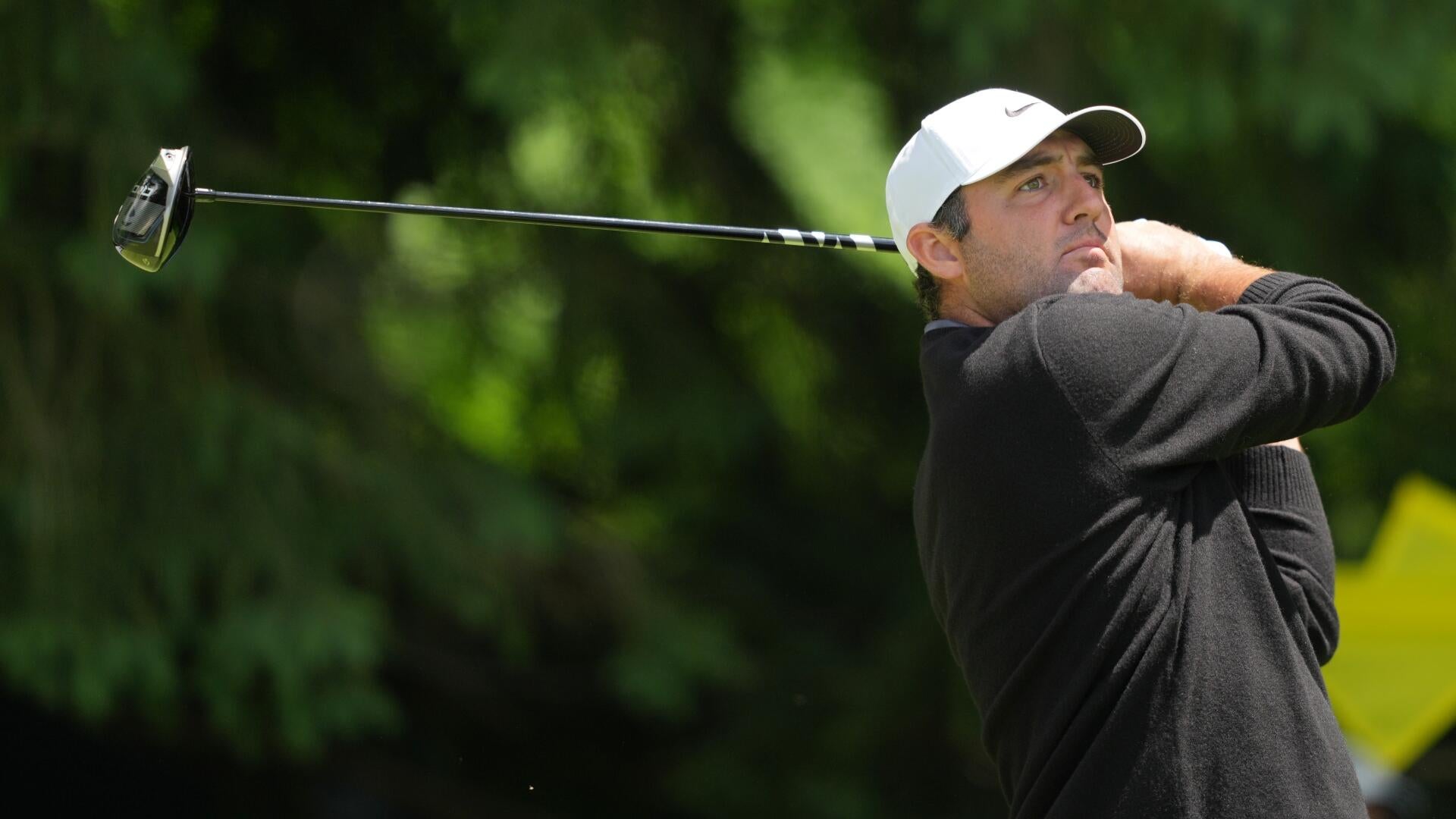
- Scottie Scheffler is the +550 FanDuel favorite for the 2026 U.S. Open, which begins Thursday, June 18 at Shinnecock Hills, as he attempts to complete the Career Grand Slam.
- Rory McIlroy (+1200) is positioned to end a 15-year U.S. Open drought, with Jon Rahm at +1300 and defending champion J.J. Spaun a +5000 longshot, while Brooks Koepka — winner the last time Shinnecock hosted in 2018 — sits at +3500.
- SportsLine's model, built by DFS pro Mike McClure, has correctly projected 17 majors including the 2026 Masters (its fifth straight), 2025's PGA Championship and 2025's Open Championship, and has now run 10,000 simulations of the U.S. Open field.
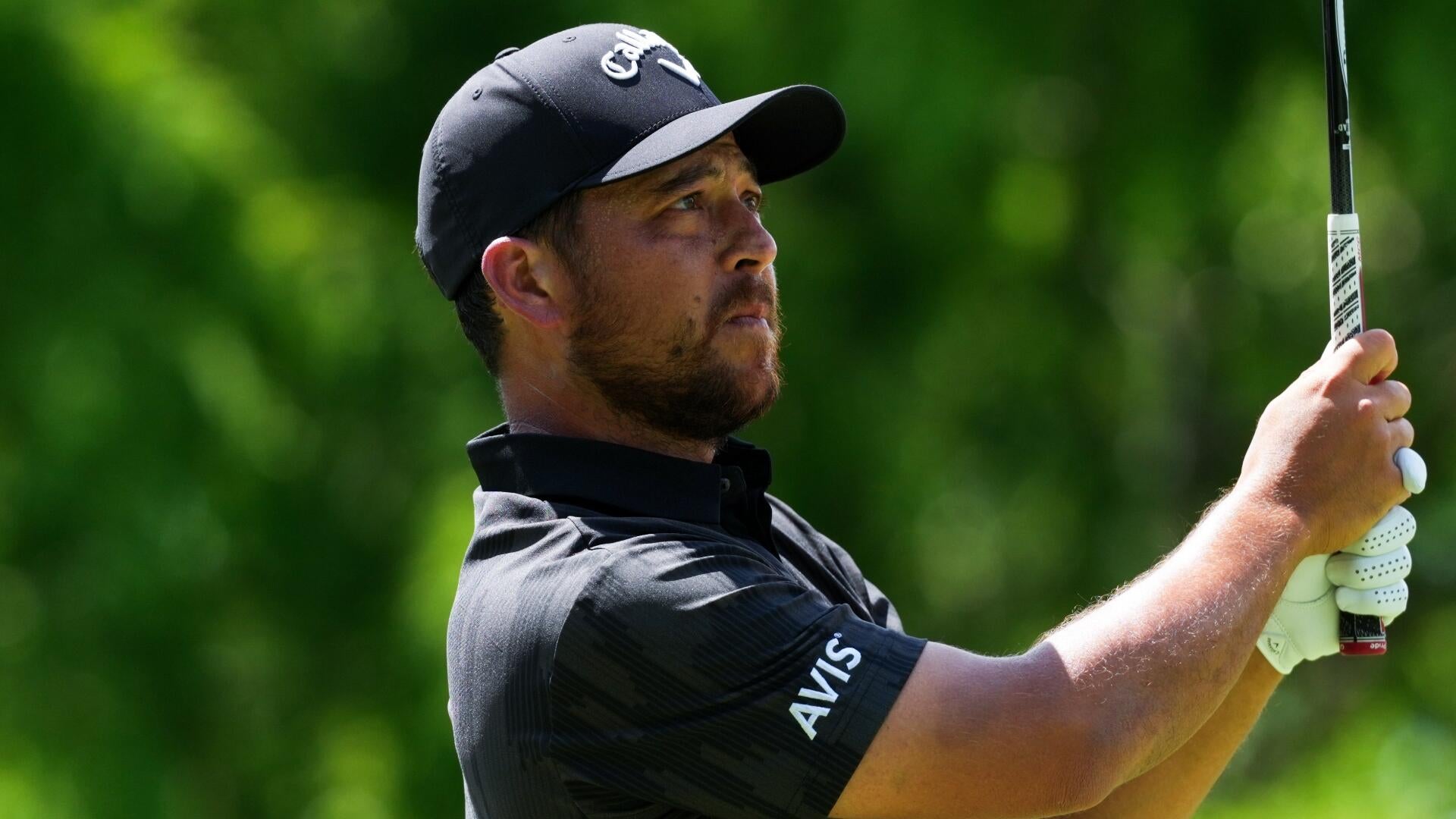
- Xander Schauffele is the model's surprise fade, projected to finish outside the top 5 despite +2200 odds; the source notes he has gone T12 or worse in three of his last four starts and has not cracked the top 5 in his last five U.S. Open appearances.
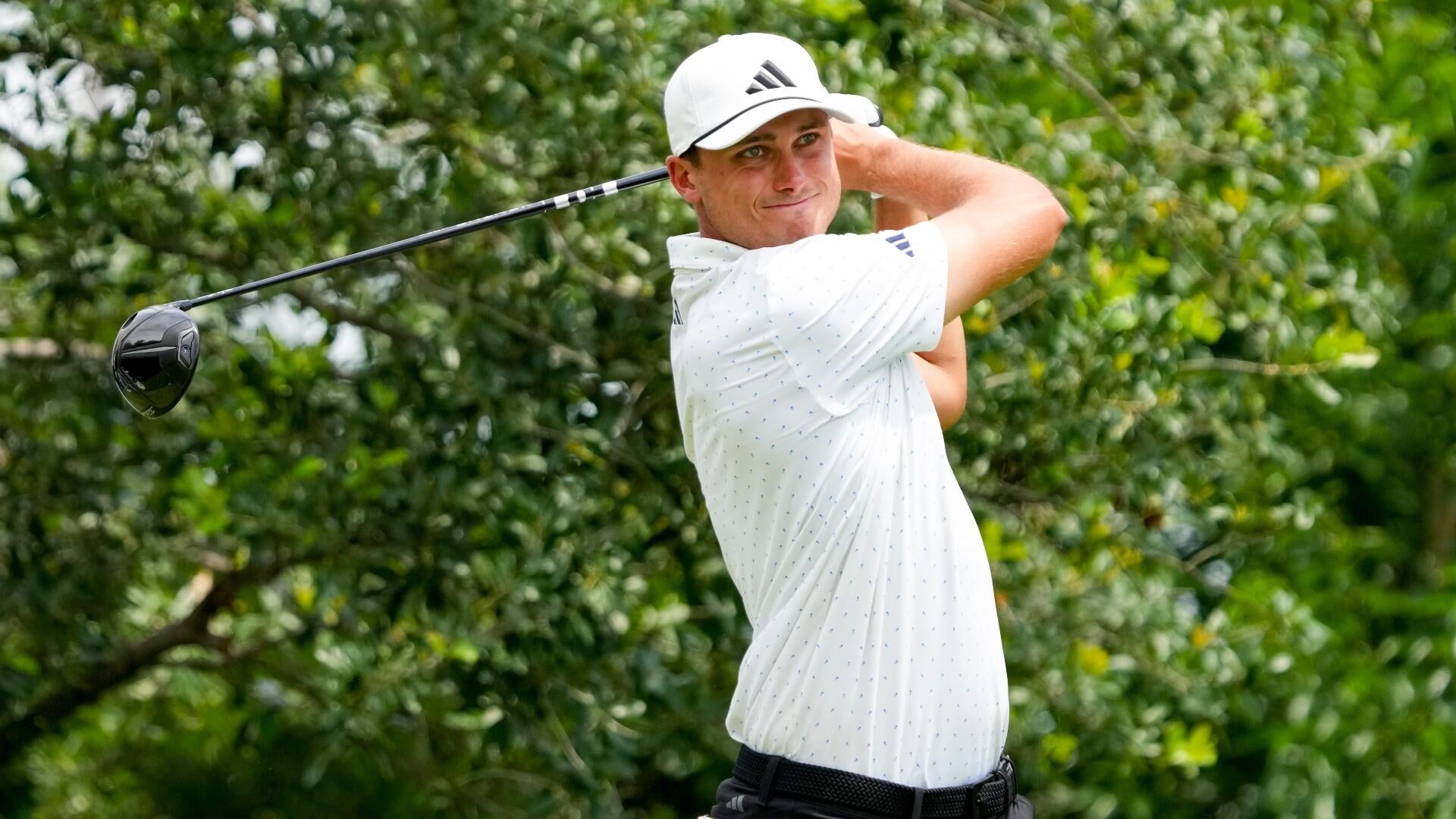
- Ludvig Åberg (+2200) lands as a top-3 model pick despite going 0-for-10 in majors and missing the cut at last year's U.S. Open, riding a spring stretch of six top-10s in seven events and ranking second on the PGA Tour in total strokes gained.
- The model is also targeting a longshot at roughly 30-1 to make a title run, with the full projected leaderboard gated behind SportsLine's site.
Why it matters: Scheffler and McIlroy dominate the public odds board, but the model — with 17 correct major projections — offers a contrarian read that breaks from the chalk: fading Schauffele, whose form has slipped to T12 or worse in 3 of his last 4 starts, and backing Åberg, who is second on tour in strokes gained yet remains winless in 10 major starts. For bettors, the actionable split is that the model rates Åberg a top-3 threat at the same +2200 number as Schauffele, creating an asymmetric stance on two players the market treats as equals.
Ask SkimNews