'We've had a lot of close calls': Canada wildfire evacuees wonder if they still have homes — SkimNews
Get the Energy newsletter
Daily energy & climate — solar, EVs, oil, the policy fights and tech bets shaping the transition. Free.
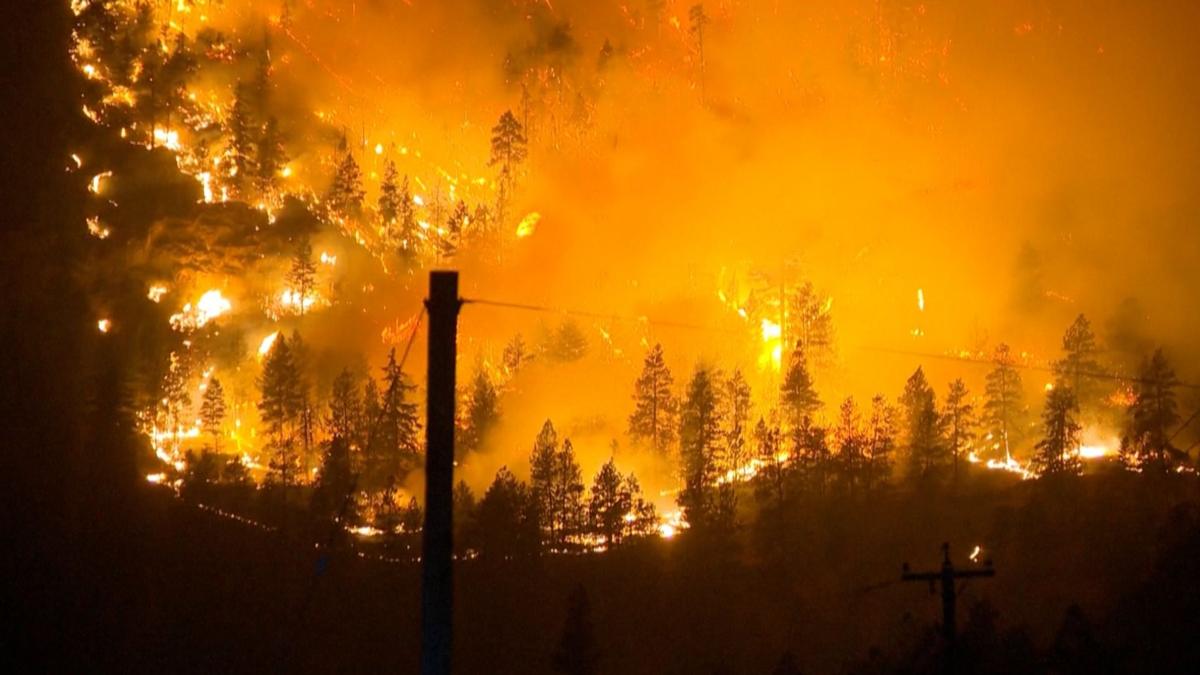
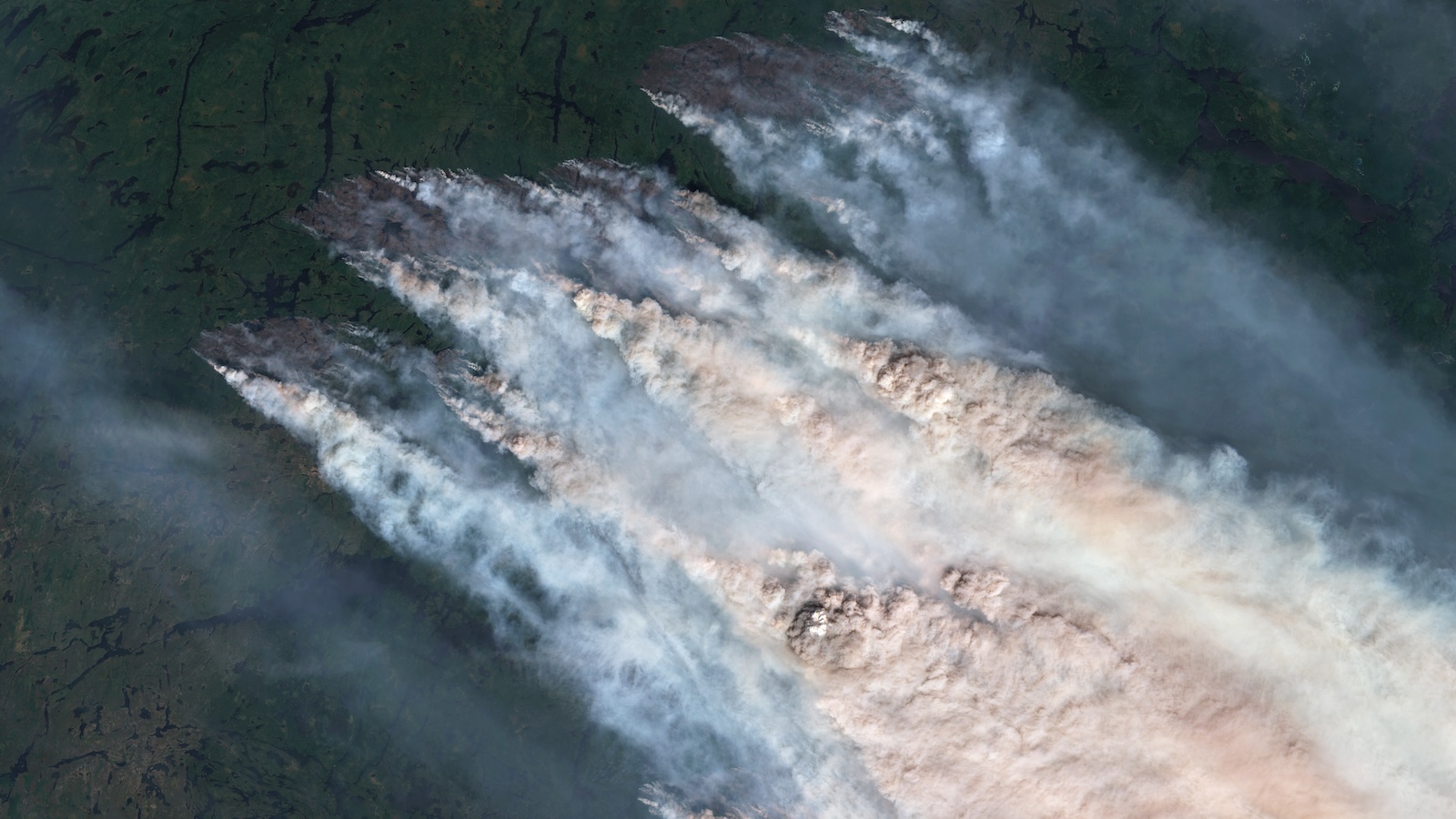
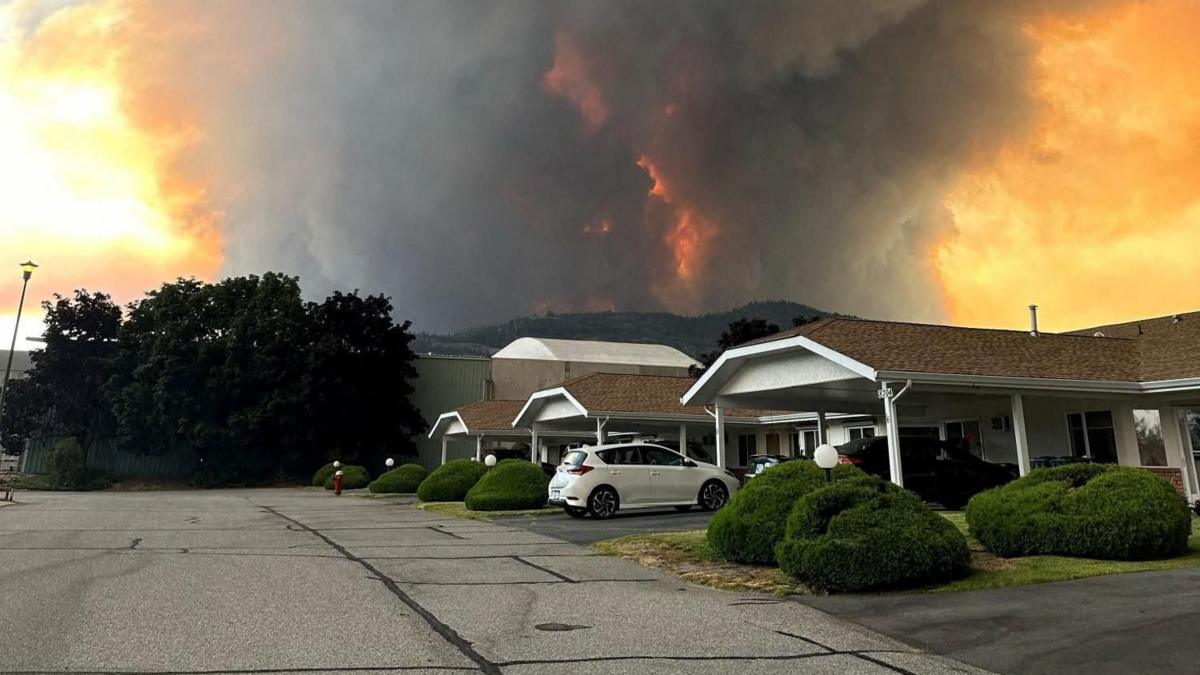
- Bald Range wildfire broke out Friday in British Columbia's Okanagan and grew within hours to 53 sq miles (136 sq km), remaining out of control Monday with more than 12,000 residents under evacuation order.
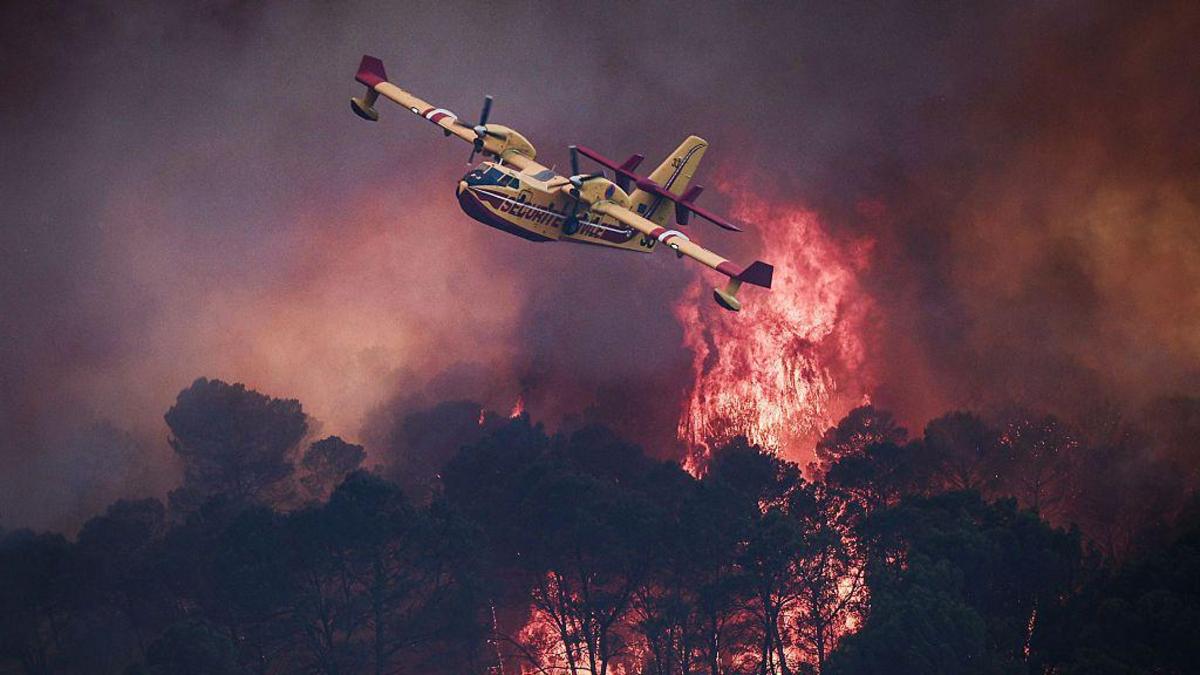
- British Columbia has more than 100 fires burning as of Monday — 70 of which started in the last week alone — prompting Premier David Eby to declare a state of emergency and warn fires are moving "incredibly quickly."
- An 80-year-old woman died while trying to flee the wildfire, police said Sunday, as residents like 18-year-old Keegan Radomski reported scrambling to evacuate within four hours of first spotting smoke.
- Bradley Creek fire, also in the Okanagan, is believed to have destroyed more than 200 homes and is now being held, according to officials.
- The Okanagan is experiencing extreme drought — Okanagan Lake was at its lowest level since 1992 as of July, according to the Okanagan Basin Water Board.
- Volunteer Kaz Nowlin has rescued dozens of animals including 57 horses and is seeking a permit to round up 14 alpacas and eight horses still stranded in Summerland.
- Experts say climate change has made Canadian wildfires more intense and frequent over the past decade; 2023 was Canada's worst wildfire season on record in terms of total area burned.
Why it matters: With more than 100 active fires and 70 ignitions in a single week, British Columbia's fire season is overwhelming provincial resources and forcing residents to abandon homes and livestock on hours of notice. The Okanagan's record-low lake levels signal the drought driving these fires is entrenched, not temporary.
Ask SkimNews