Canada’s wildfire season is taking a heavy toll on First Nations — SkimNews
Get the Energy newsletter
Daily energy & climate — solar, EVs, oil, the policy fights and tech bets shaping the transition. Free.
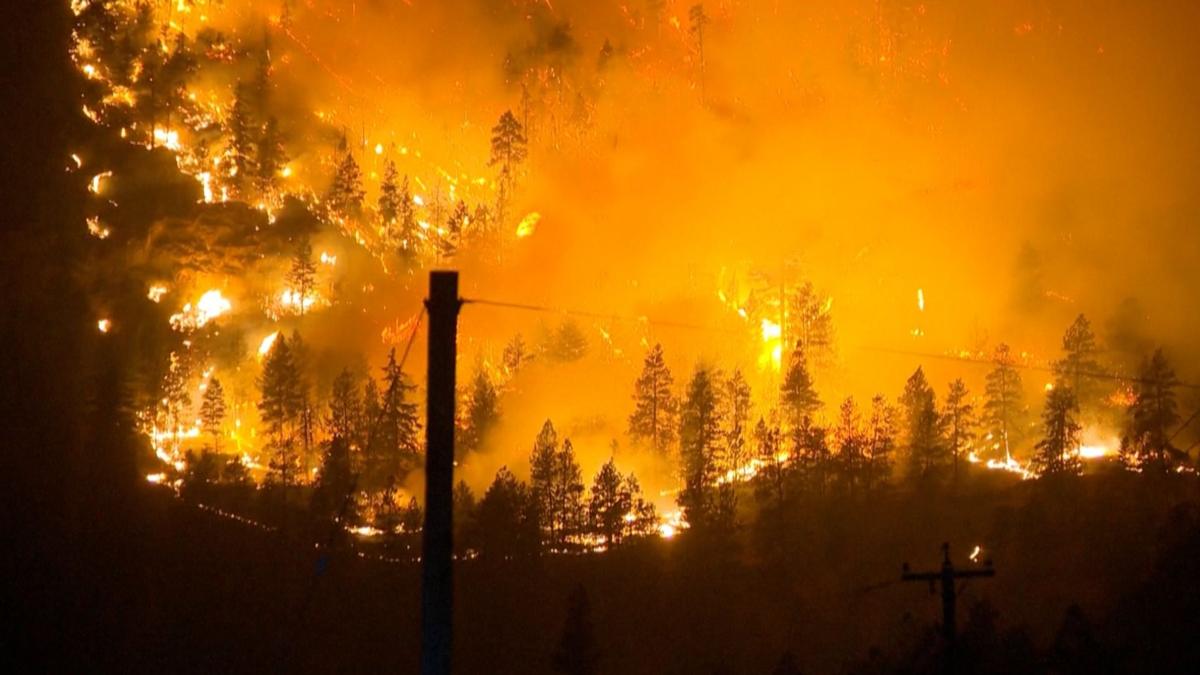
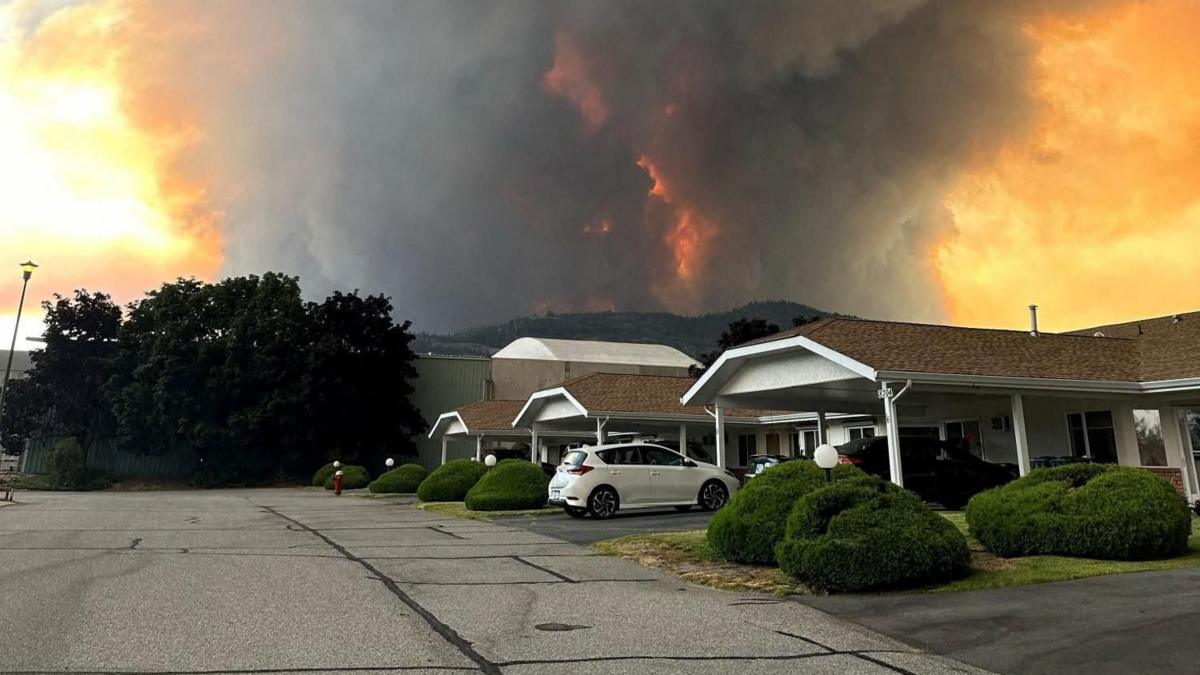
- Bradley Creek wildfire destroyed roughly 200 homes belonging to Okanagan Indian Band members, displacing more than 30 band members; Chief Dan Wilson said the loss includes family histories, Salish baskets, and Elders' homes that can't be replaced
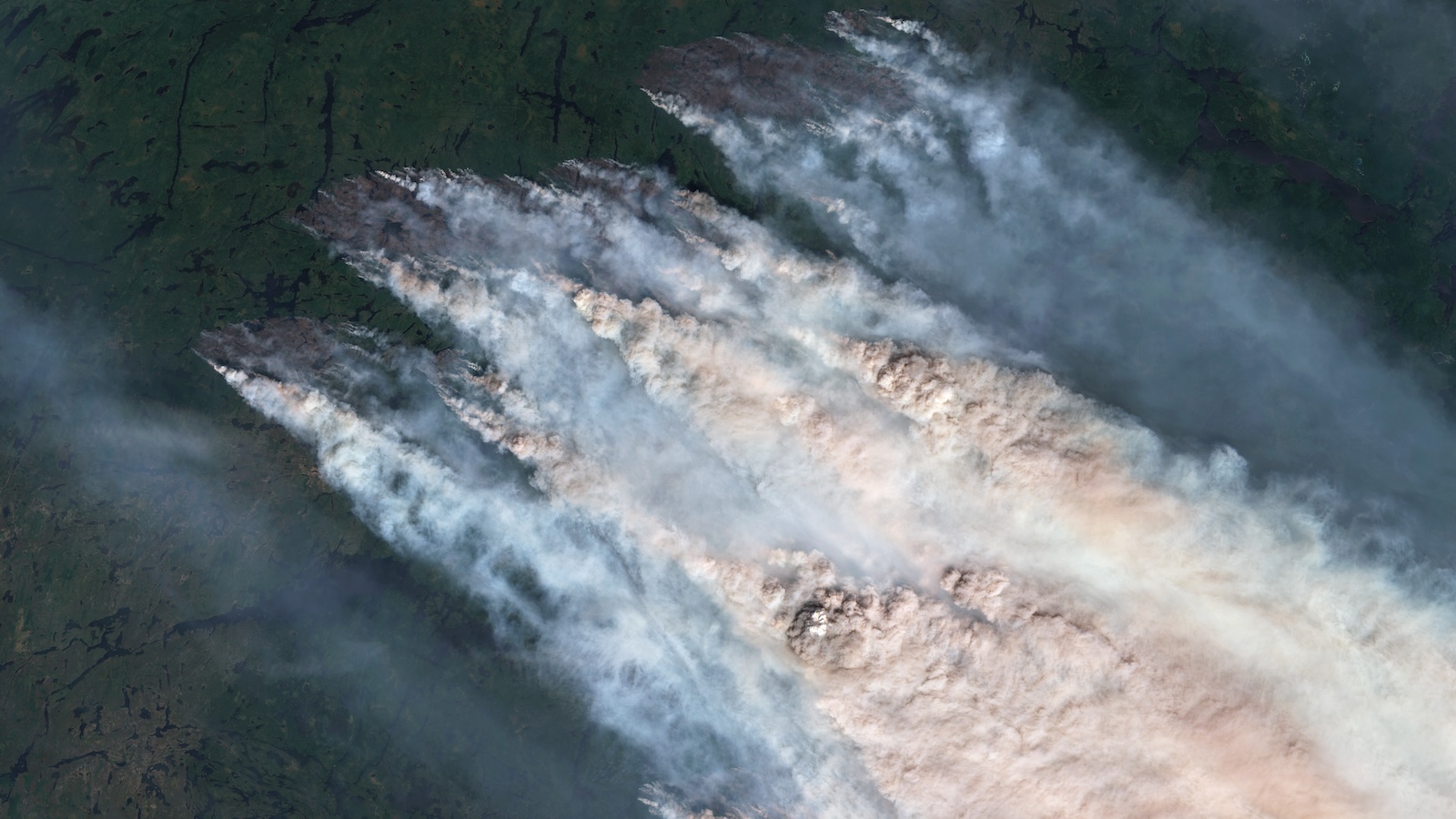
- Since April 1, wildfires have affected at least 81 First Nations and displaced 9,131 people, with 2,524 still evacuated as of Tuesday; 601 wildfires burned nationally, including 113 classified as out of control
- Chiefs of Ontario demanded an independent public inquiry after at least 12 First Nations were fully or partially evacuated; Regional Chief Abram Benedict called the response a 'catastrophic and systemic failure at nearly every level and at nearly every step of this process'
- Okanagan Indian Band firefighters had only a structural fire truck, no wildland firefighting rig; Chief Wilson told federal Indigenous Services Minister Mandy Gull-Masty that proper equipment would have let first responders extinguish the Bradley Creek fire immediately
- Xeni Gwet'in First Nation received no emergency alerts in Tŝilhqot'in during an April wildfire, forcing their own forestry crew to notify Elders directly — a gap SFU researcher Sara Wilson attributes to a broader 'crisis communication gap'
- Kiashke Zaaging Anishinaabek Chief Wilfred King opposed Ontario's withdrawal of evacuation orders while fires remained uncontrolled nearby, warning the only escape would be crossing Lake Nipigon by boat — Indigenous Services Canada backed the Nation's own decision to keep the order in place
Why it matters: At least 81 First Nations and 9,131 people have been displaced, with Chiefs of Ontario now demanding a public inquiry into what Abram Benedict called a 'catastrophic and systemic failure' — while communities like Namaygoosisagagun, recognized under the Indian Act but not as a First Nation, face denial of federal rebuilding assistance altogether.
Ask SkimNews