Aging‑US Review Links Early Damage to Cancer Arthritis — SkimNews

SkimNews Take
The body's genetic programming appears to prioritize short-term survival and reproduction, allowing for the accumulation of damage that becomes problematic only after these early life stages.
Get the Health newsletter
Daily health & science — research, biotech, public health, the studies worth knowing. Free.
- The review published in Aging‑US outlines a two‑stage model of aging that links early‑life damage to later‑life disease.
- David Gems co‑authored the Aging‑US review with Alexander Carver and Yuan Zhao, integrating evolutionary theory with recent biomedical findings.
- Early‑life damage from infections, injuries, or genetic mutations can persist hidden in the body, according to the model.
- Later‑life genetic changes weaken the body’s capacity to suppress that hidden damage, allowing it to manifest as disease.
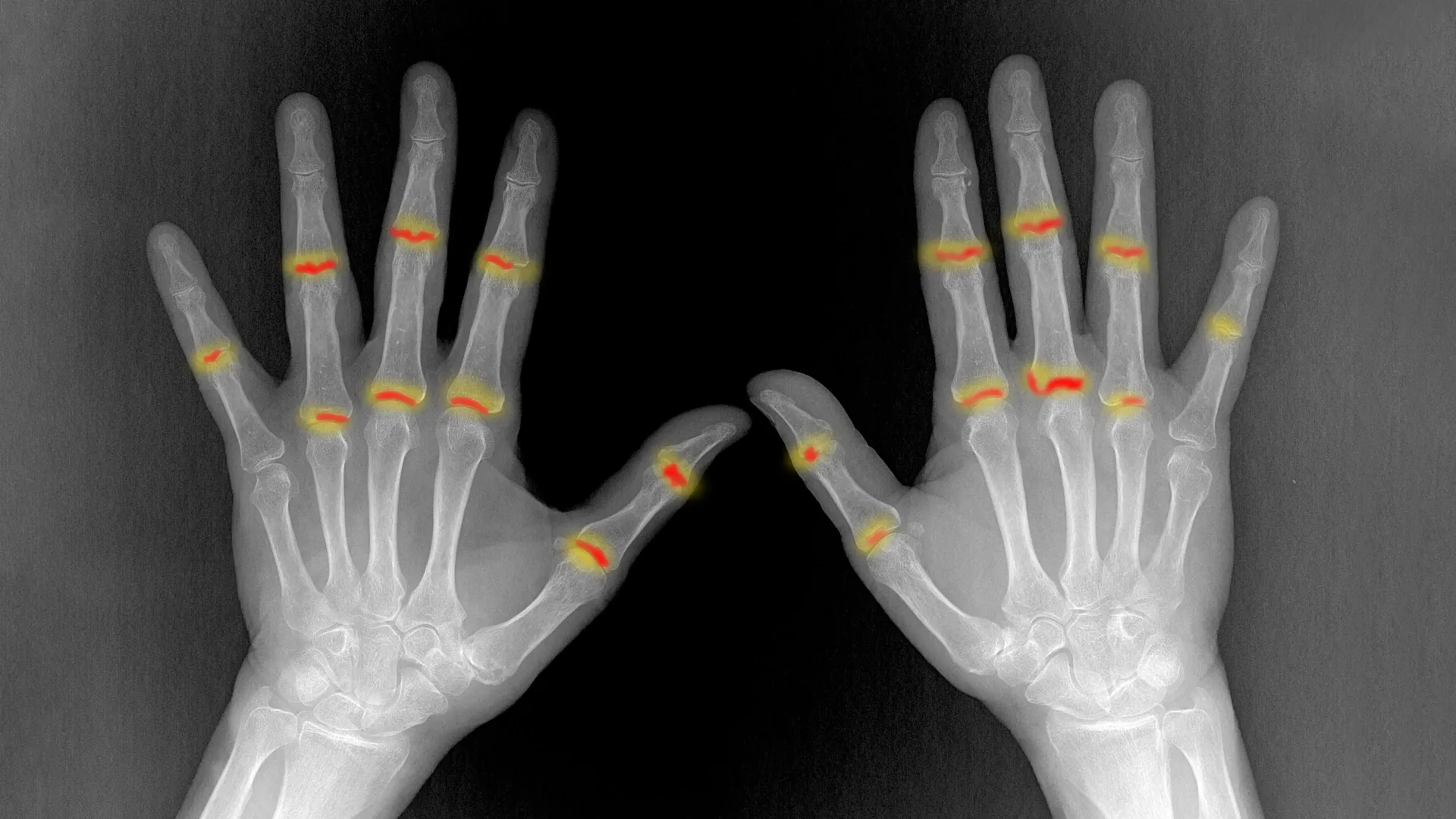
- Diseases such as cancer, osteoarthritis, and shingles are cited as outcomes that may emerge when the hidden damage is unleashed in old age.
Why it matters: Medical researchers gain a framework to target hidden early damage and later‑life genetic decline, potentially guiding new preventive strategies for cancer, arthritis and shingles in older adults.
Ask SkimNews