US Downs Two Iranian Drones, Strikes Radar Sites Near Hormuz

Get the Geopolitics newsletter
Daily geopolitics — wars, elections, sanctions, the diplomatic moves that move markets. Free.
- U.S. forces struck Iranian coastal radar sites on June 6 after Tehran launched drones at the Strait of Hormuz.link ›
- Vladimir Putin dismissed Zelensky’s open letter as rude and refused a meeting at the St Petersburg economic forum.link ›
- Federal appeals court ruled on Monday that the Trump administration’s transgender service ban was illegal.link ›
- Bazaaris led mass protests in Tehran, Shiraz and Tabriz, pushing the regime’s approval to an all‑time low.link ›
- French Navy boarded the sanctioned Russian tanker Tagor on Sunday, 400 nm west of France, with UK helicopter support.link ›
- Iranian FM Kazem Gharibabadi said on June 7 regional governments cannot demand reparations from Iran’s frozen assets.link ›
- President Trump signed an executive order converting roughly 8,000 federal workers to at‑will status, reshaping civil‑service staffing.link ›
U.S. forces shot down two Iranian attack drones over the Strait of Hormuz on Saturday, the latest flashpoint in a widening military exchange that began with American strikes on Iranian coastal radar facilities at Goruk and Qeshm Island.
The stories behind this week
U.S. Hits Iranian Radar Sites After Downing DronesThe U.S. action heightens tensions, making diplomatic resolution of the U‑Iran conflict harder and raising the risk of further conflict in the vital Strait of Hormuz.
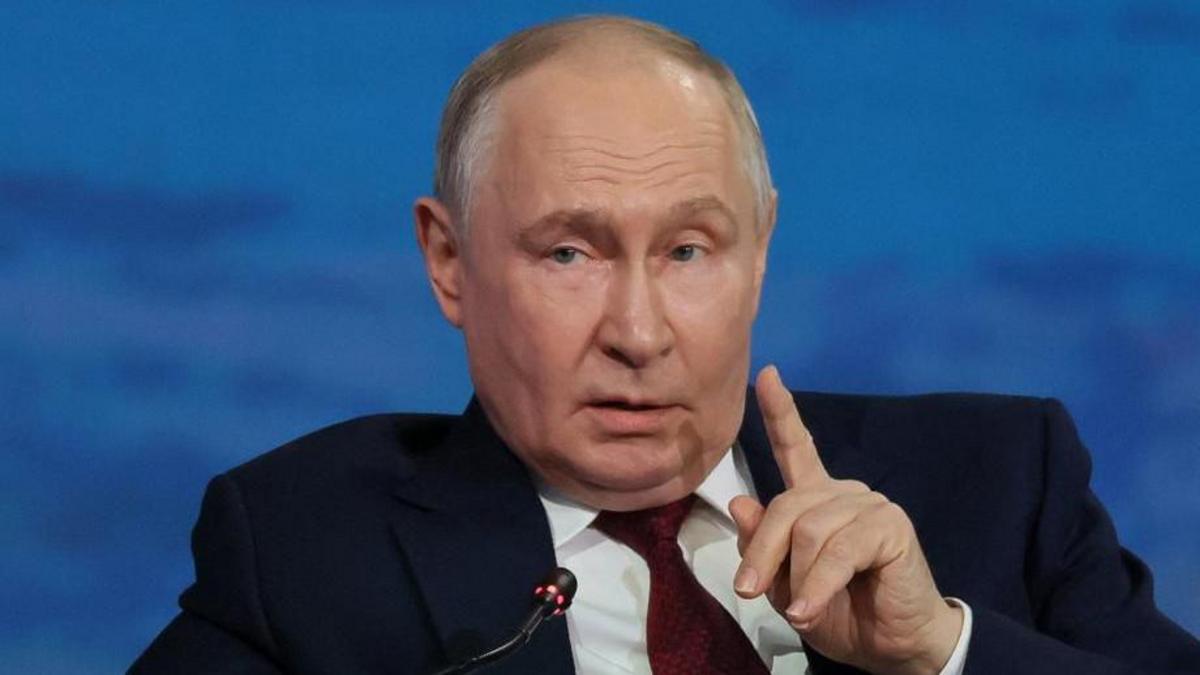
Putin Rejects Zelensky Meeting, Calls Letter RudeUkraine loses a diplomatic opening as Putin dismisses Zelensky’s overture, while the strike on five Russian ships underscores Kyiv’s willingness to pressure Russia militarily and signals a continued escalation.

Appeals Court Declares Trump Transgender Ban IllegalThe ruling restores service eligibility for active transgender troops, undermining the Trump administration’s ban and forcing the Pentagon to revise its personnel policy, while setting a precedent for future legal challenges.

Senate to start debate on ICE funding. And, Israel and Lebanon agree to ceasefireThe administration gains flexibility to hire and fire roughly 8,000 federal employees at will, while those workers lose tenure protections and job‑security guarantees; this shift reshapes the civil service and increases political control over staffing.
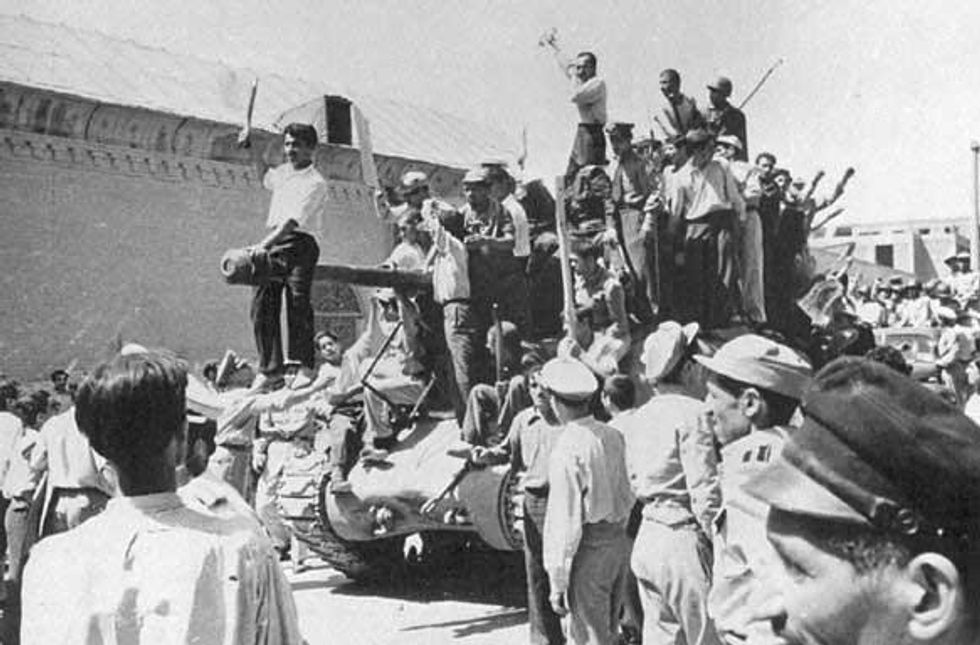
Bazaaris lead Iran protests in Shiraz, Tabriz, TehranThe regime loses legitimacy as its approval hits an all‑time low, and bazaaris risk their livelihoods; the protests show widespread economic discontent across major cities.
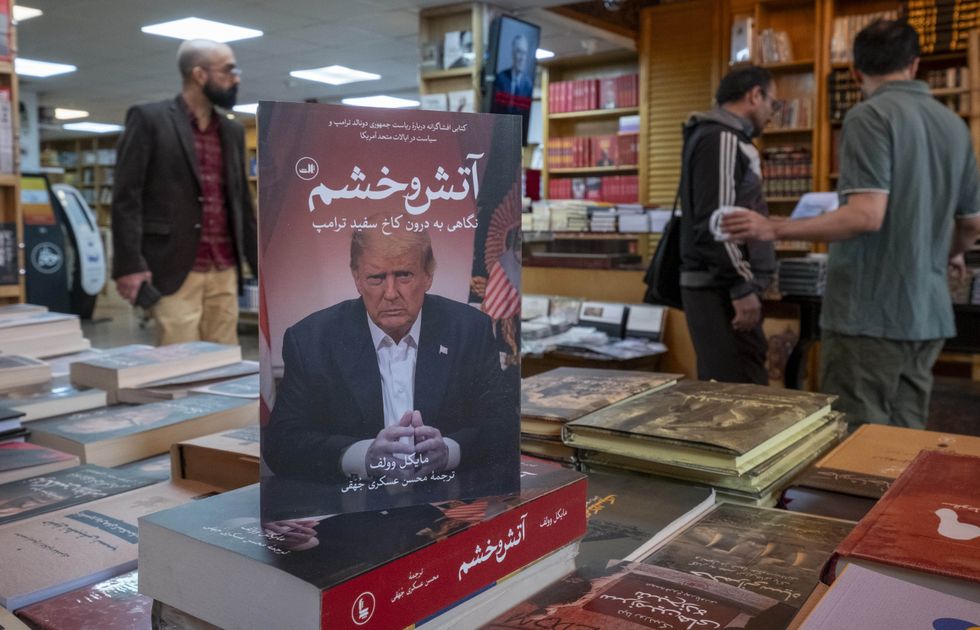
Trump Counter‑Blockade as US‑Iran Ceasefire Talks StallReopening the Strait of Hormuz would ease the U.S. energy crunch—crude inventories are down 900 units—while sanctions relief would boost Iran’s oil revenues, shifting leverage away from hawkish lobbyists.

French Navy, aided by UK, intercepts Russian tankerUkraine gains by cutting off a revenue stream that funds Putin's war, while Russia loses a sanction‑busting vessel and faces tighter maritime enforcement, increasing costs for its shadow fleet.
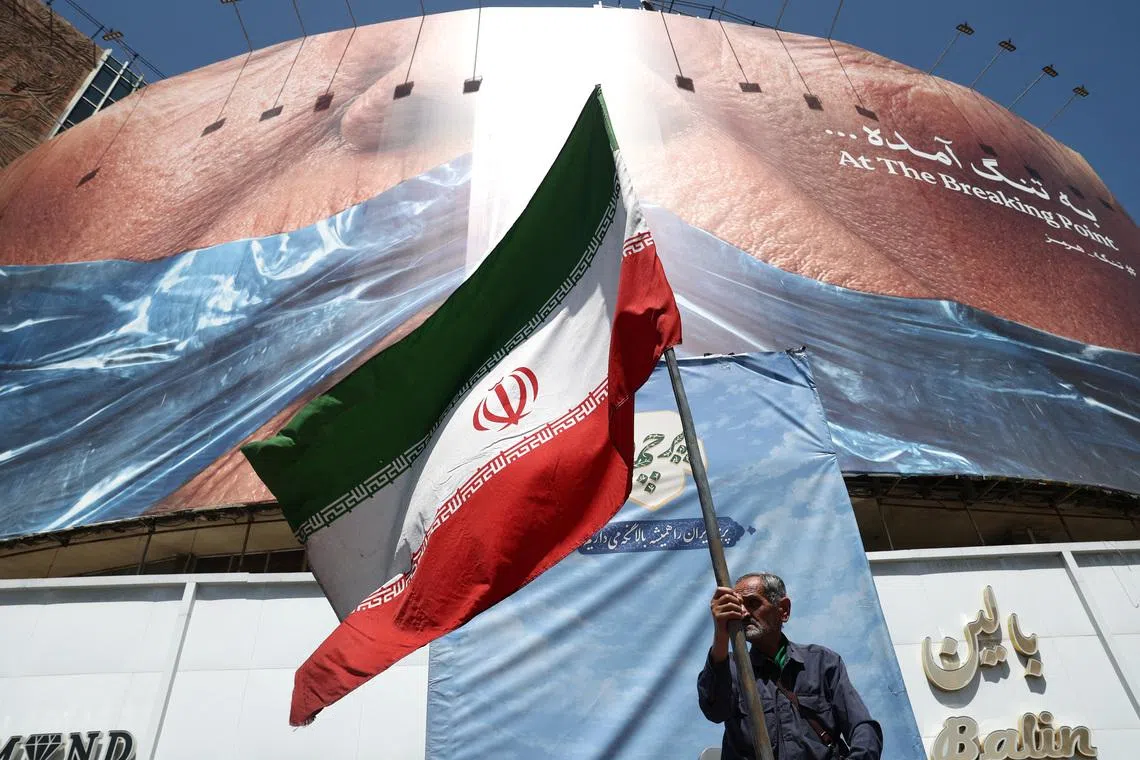
Iran FM Rejects Using Assets for US Allies' War DamagesUS allies lose a potential source of compensation while Iran retains its frozen assets, preserving Tehran’s bargaining power and complicating Washington’s attempts to secure reparations for Iraq and Afghanistan wars.
Why it matters: Iran is leveraging its position at the Strait of Hormuz — the waterway CENTCOM called critical to international maritime traffic — to extract $24 billion in frozen U.S. assets, sanctions relief, and maritime concessions, with Pakistan's interior minister in Tehran serving as the only visible diplomatic intermediary before the ceasefire fully collapses.
Ask SkimNews


