Iran Rejects US Plan to Seize Assets for Gulf Damages — SkimNews
Get the Geopolitics newsletter
Daily geopolitics — wars, elections, sanctions, the diplomatic moves that move markets. Free.
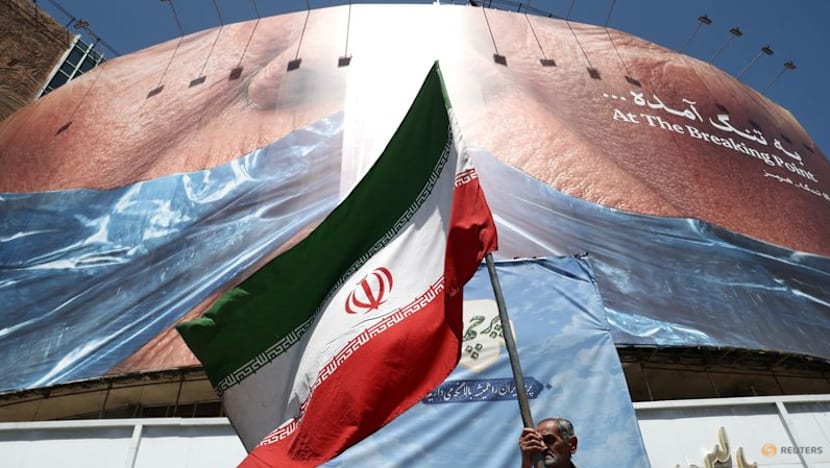
- Kazem Gharibabadi on June 7 dismissed reports that the US would use Iranian assets to pay Gulf allies for war damages, saying regional governments were "not in a position to demand reparations"
- Gharibabadi declared Iran's assets "neither war spoils for Washington nor a payment fund for its allies" and warned that any seizure without Tehran's consent would constitute "a new internationally wrongful act" triggering "an appropriate response"
- Reuters reported on June 6 that the US would make Iranian assets available to Gulf allies to cover both future and past damage, with Treasury Secretary Scott Bessent directing a team to assess costs already inflicted on those states
- Iran's missile and drone attacks during the war hit several Gulf countries; on June 6 it fired ballistic missiles at US bases in Kuwait and Bahrain — six intercepted, a seventh failed to reach its target, with Kuwait reporting material damage but no casualties
- Rystad Energy estimated the Middle East conflict could saddle the region with up to US$58 billion (S$75 billion) in repair costs for energy-linked infrastructure alone
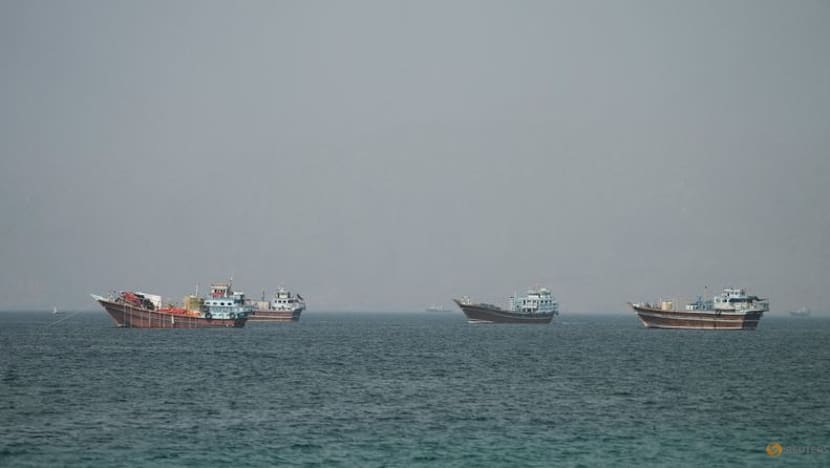
- Tehran's conditions to end the war include release of billions in frozen assets, lifting of US and international sanctions, and recognition of its sway over the Strait of Hormuz
Why it matters: For Gulf allies, the prospect of recovering up to $58 billion in war damages now hinges on the same frozen Iranian assets that Tehran demands released as a precondition for ending the war — creating a direct collision between the US reparations scheme and Iran's negotiation demands.
Ask SkimNews