Nuro Tests Self-Driving Priuses in Tokyo

Get the Tech newsletter
Daily tech — startups, AI labs, chips, the launches that shape the next decade. Free.
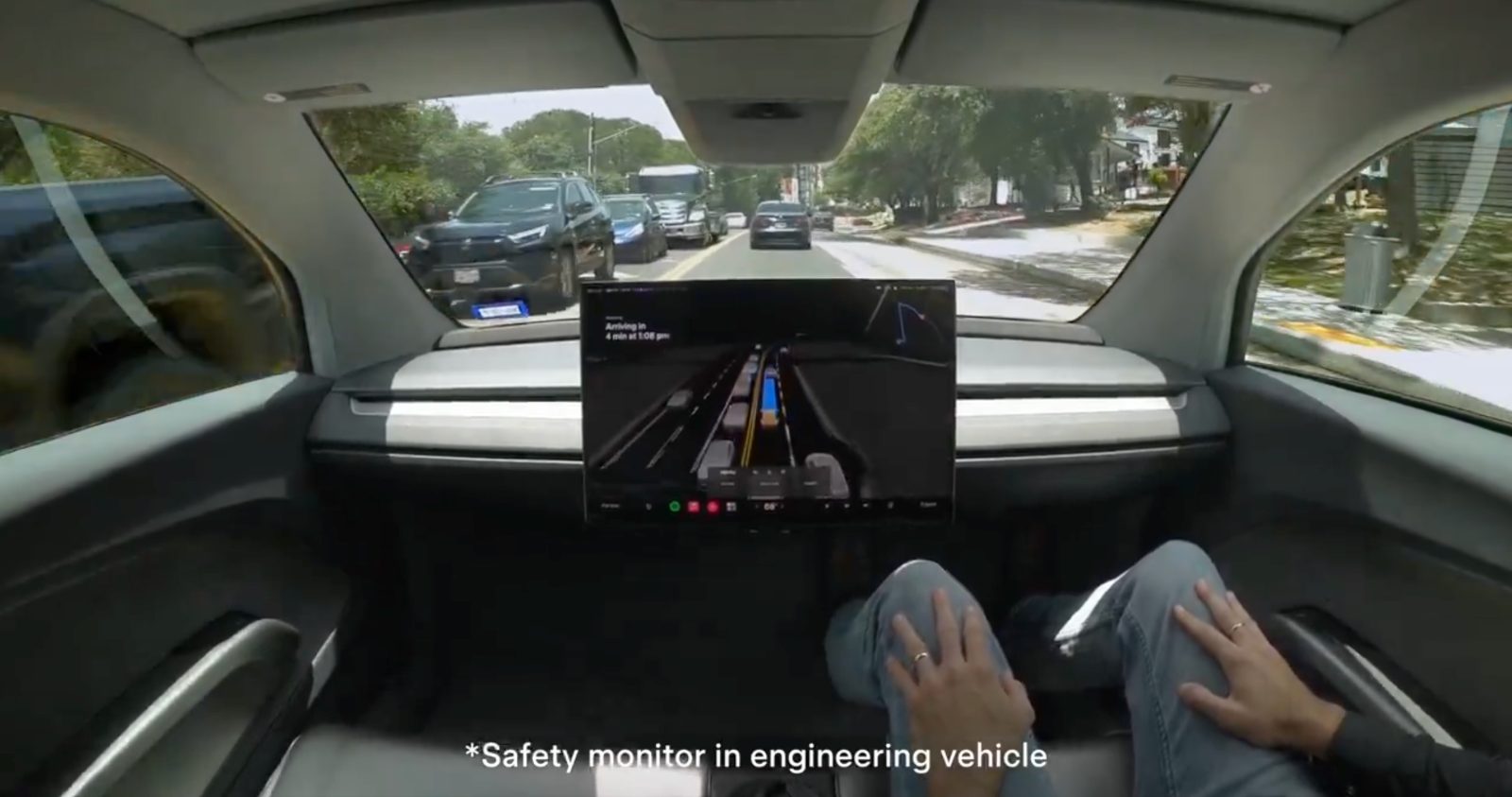
- Nuro began testing self-driving Toyota Prius vehicles on Tokyo public roads last month with human safety operators behind the wheel, marking the startup's first overseas expansion since it pivoted away from low-speed delivery bots in 2024.
- Nuro's 'zero-shot autonomous driving' AI navigated Tokyo streets without any prior training on Japanese driving data, using an end-to-end AI foundation model — an approach also pursued by UK-based Wayve, which recently raised $1.2 billion.
- Nuro runs a staged safety process: closed-course testing of each new model release, simulation of edge cases, and on-road 'shadow mode' where the software runs without controlling the vehicle before public autonomous operation is enabled.
- SoftBank Vision Fund invested $940 million in Nuro in 2019, and the company raised an additional $203 million in a Series E last year with participation from Nvidia, Uber, Baillie Gifford, and others.
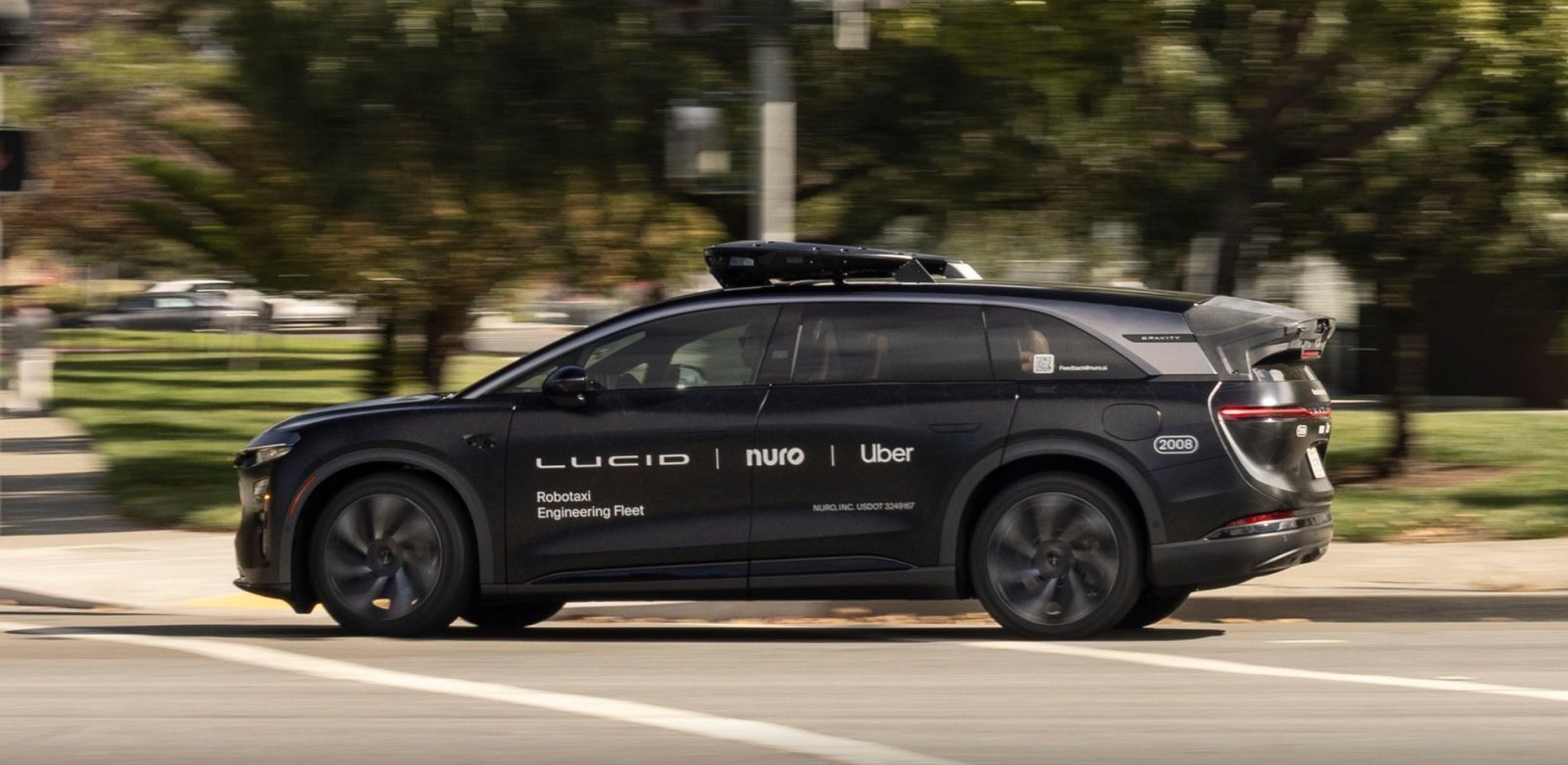
- Nuro was founded in 2016 by ex-Google self-driving project engineers Dave Ferguson and Jiajun Zhu and has shifted its business model to licensing its technology to automakers and mobility providers like ride-hail and delivery companies.
Why it matters: For Nuro, the Tokyo test is a credibility check for its 'zero-shot' AI approach — if the model can navigate a new country with different road rules, left-side driving, and dense traffic without retraining, it validates licensing the same stack globally to automakers and ride-hail partners. If it can't, the $940 million SoftBank bet and the 2024 pivot to a licensing model lose their central selling point.