Tesla starts Cybercab production tests in Austin — SkimNews
Get the Energy newsletter
Daily energy & climate — solar, EVs, oil, the policy fights and tech bets shaping the transition. Free.
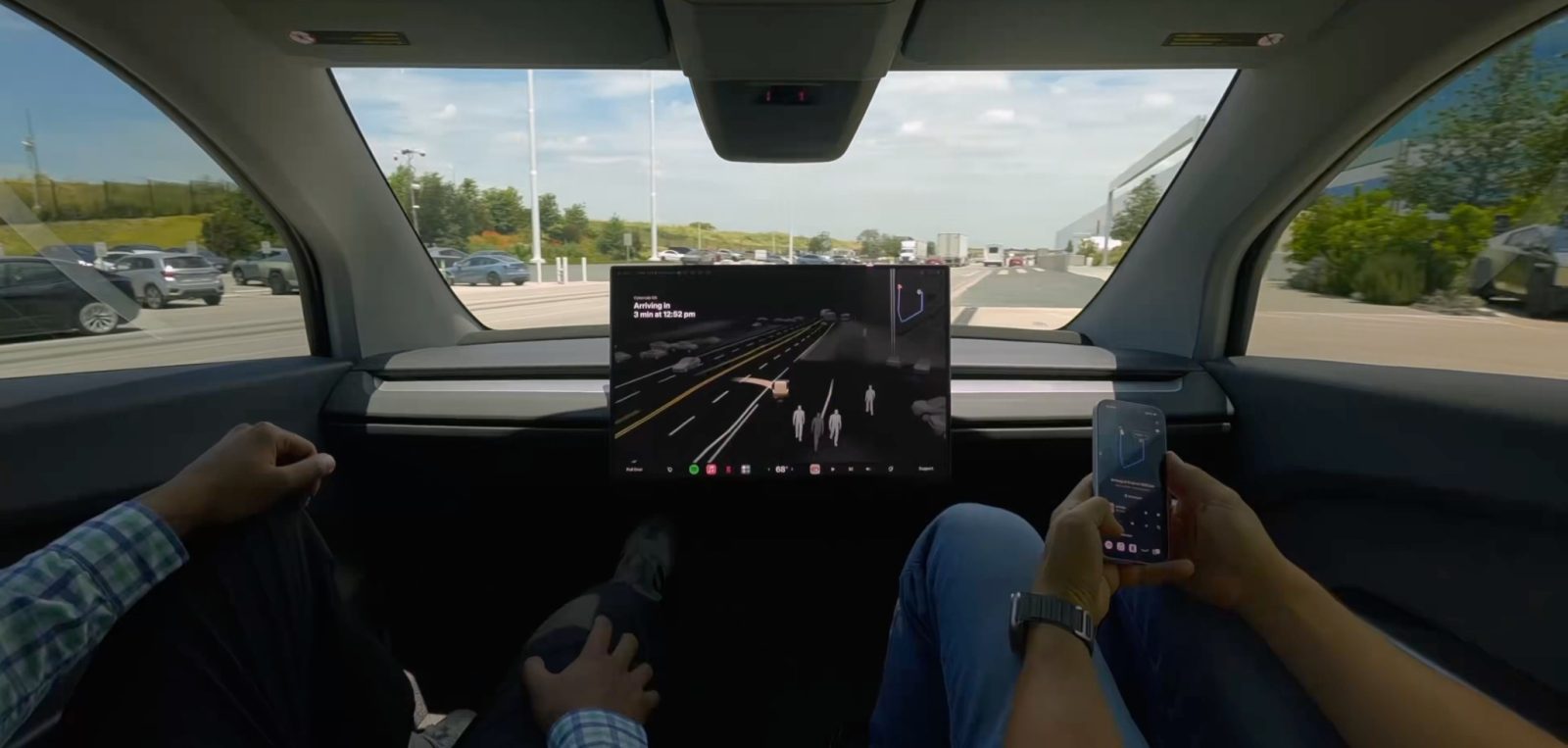
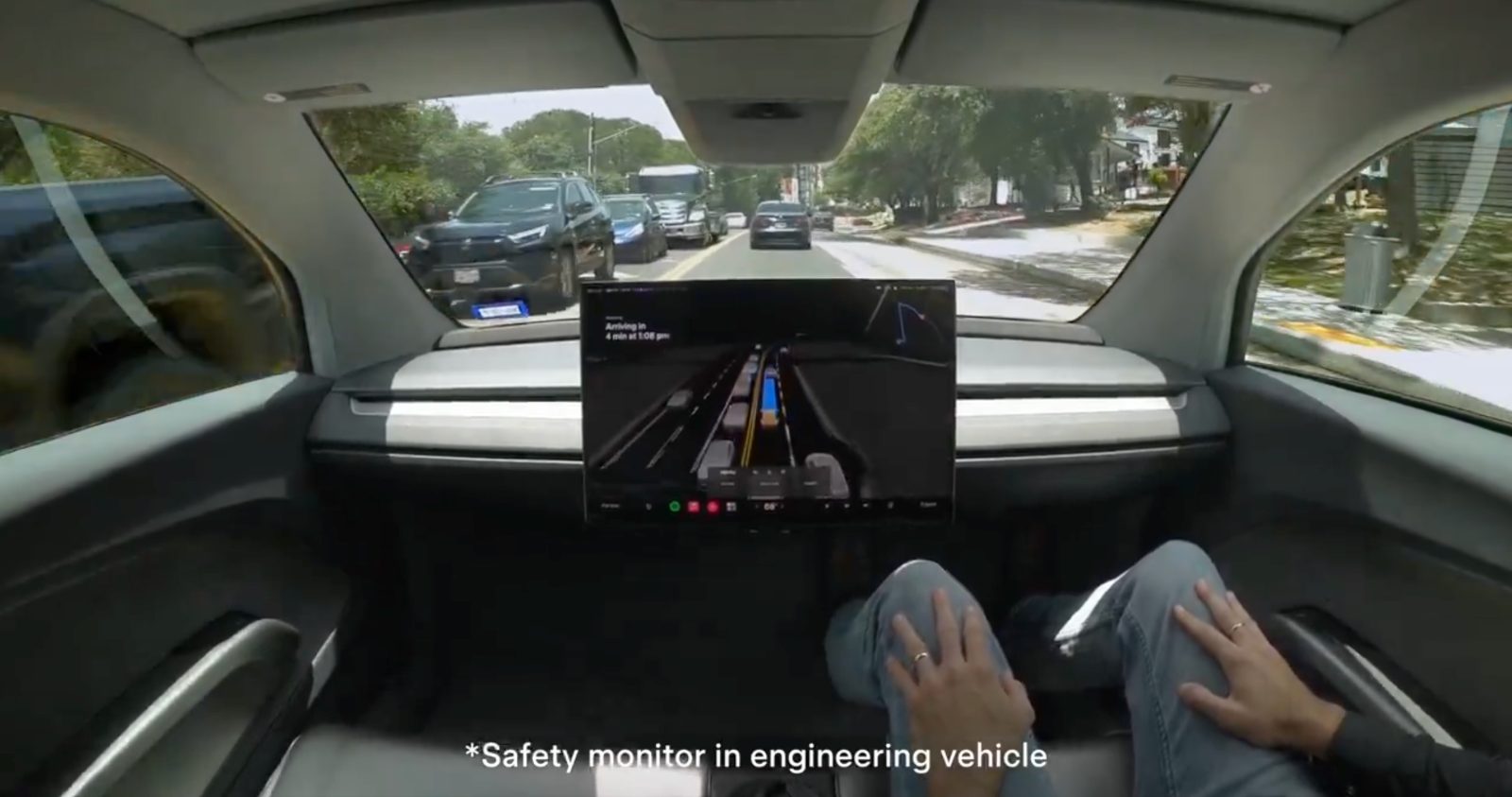
- Tesla began engineering tests of its first production Cybercab on Austin public roads, with a safety monitor in the front passenger seat — a meaningful step, but not yet a driverless operation.
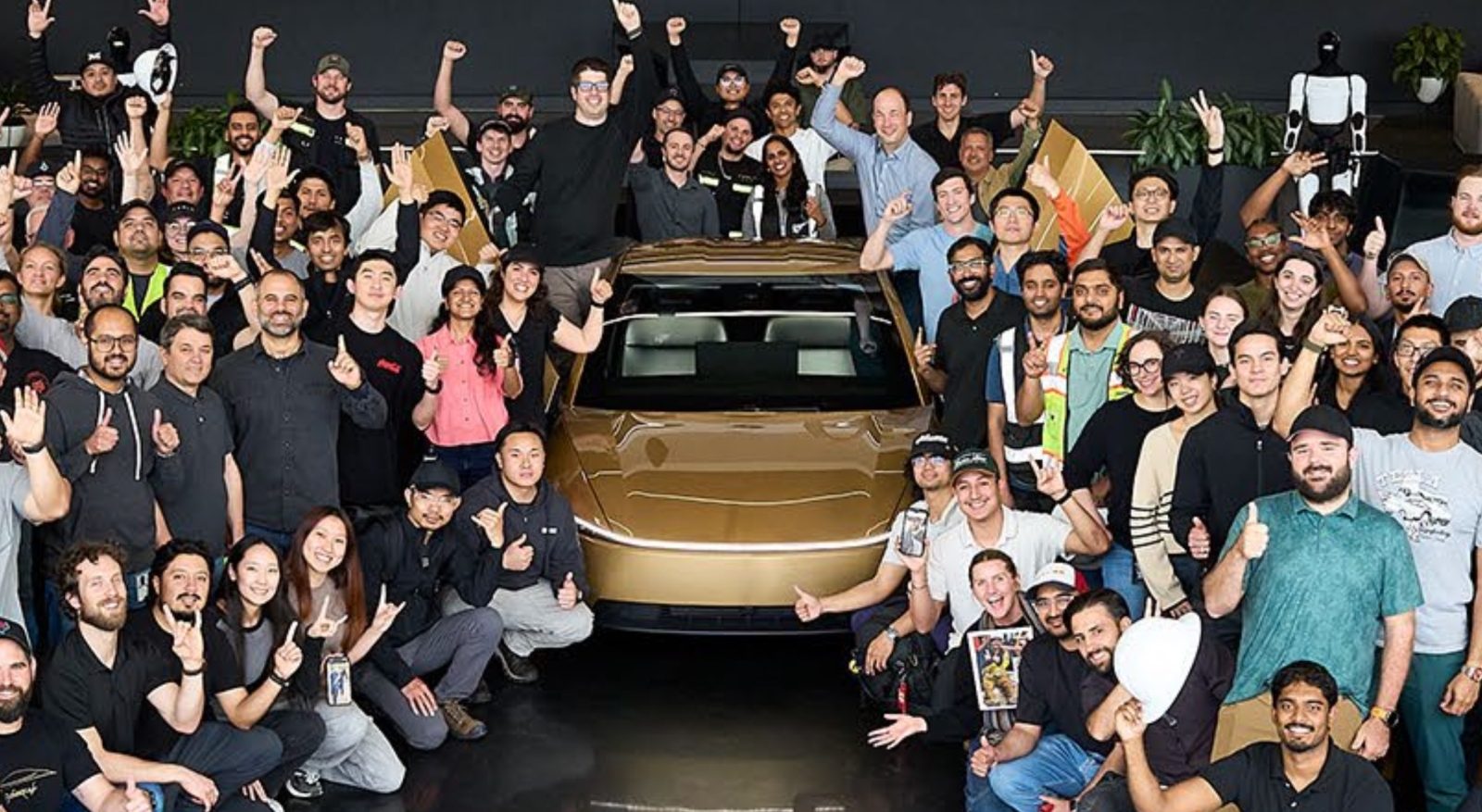
- The production-intent Cybercab rolled off Gigafactory Texas on February 17, with Tesla confirming production start during its Q1 earnings call in April, making this public-road validation the next milestone toward fare-paying rides.
- Tesla's Robotaxi service in Austin still runs on Model Y SUVs with Full Self-Driving software, not Cybercabs — the service launched in June 2025, moved monitors from passenger to driver seat in September, and only recently began removing in-car monitors for some rides, with 'unsupervised' vehicles reportedly trailed by chase cars carrying safety monitors.
- Waymo already delivers roughly 500,000 paid fully driverless rides per week across the US, targeting 1 million weekly by end of 2026 — a commercial benchmark Tesla is chasing with no in-car or trailing human supervisors.
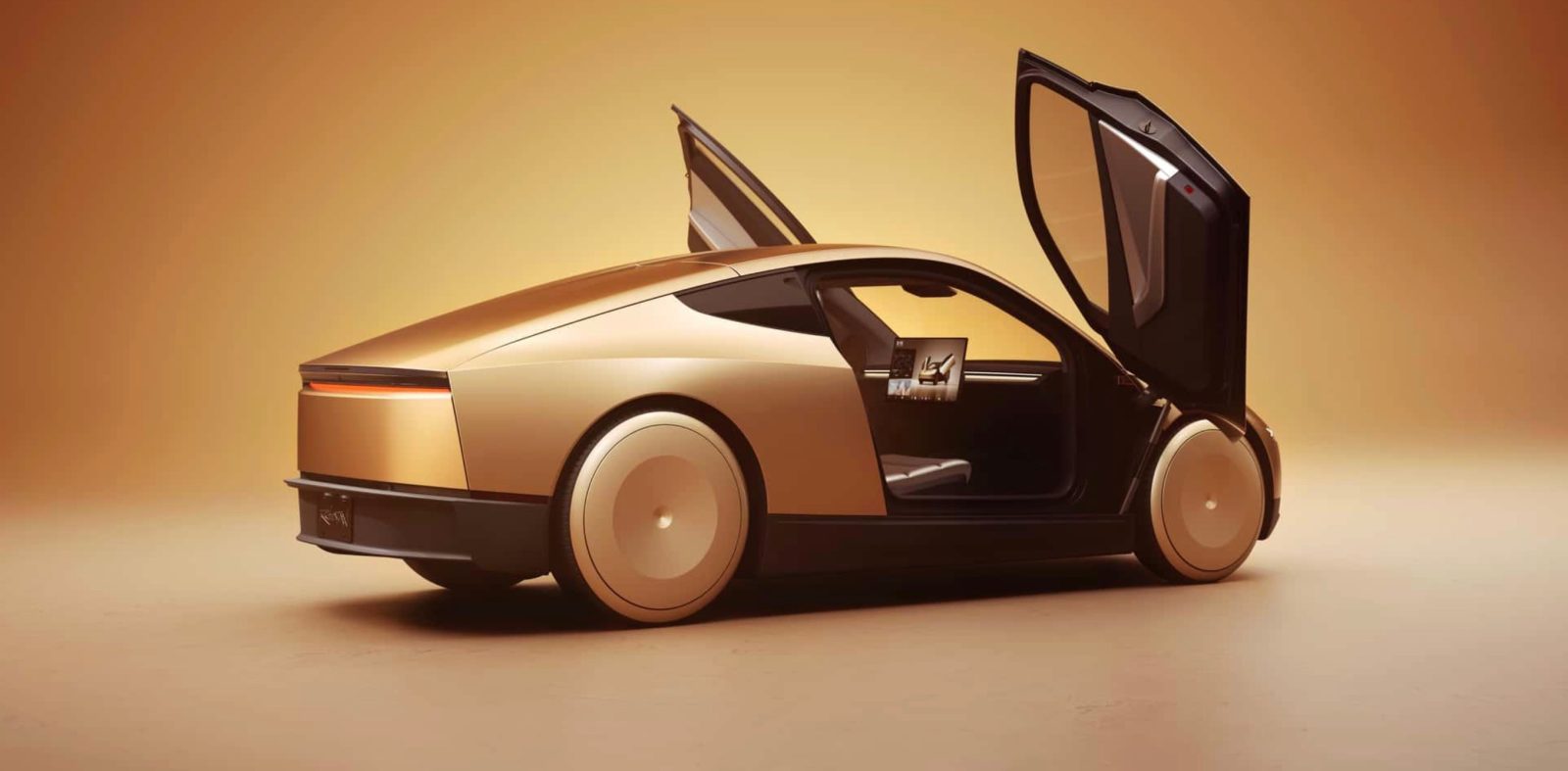
- EPA filings show the Cybercab weighs 3,113 lbs with 219 HP and a 48 kWh battery, hitting 165 Wh/mi — the most efficient EV Tesla has ever built, with Musk narrowing its target price to roughly $25,000 from an earlier sub-$30,000 pitch.
Why it matters: Tesla's Cybercab is now on public roads, but the passenger-seat safety monitor and the fact that its paid Austin service still runs on Model Ys with human monitors show the FSD software — not the hardware — is the bottleneck. Waymo's 500,000 weekly fully driverless rides set the bar a sub-$25,000 Cybercab must clear to matter commercially.
Ask SkimNews